
Table of Contents
Relaxation Yoga Sessions Chennai | Restorative & Stress Relief
In an era defined by rapid urbanization, high-pressure corporate roles, and non-stop digital notifications, the body’s autonomic nervous system is frequently pushed into chronic overdrive. Across Chennai—from the corporate corridors along Old Mahabalipuram Road (OMR) and Guindy to busy commercial zones in Nungambakkam and Mylapore—urban residents face persistent mental fatigue, postural tension, and sleep disturbances.
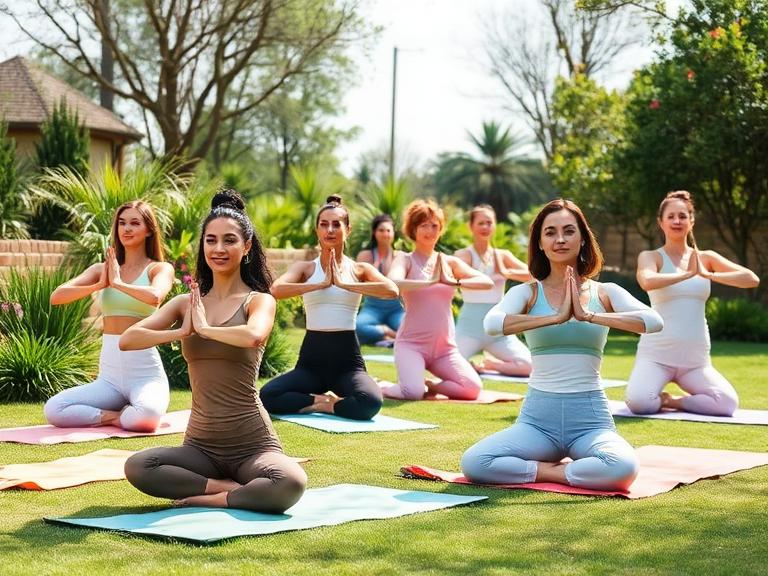
Enrolling in specialized Relaxation Yoga Sessions in Chennai provides an essential sanctuary to restore physical and mental balance. Grounded in South India’s classical yoga therapy traditions—most notably the teachings of Yogacharya T. Krishnamacharya and classical Viniyoga—relaxation yoga moves away from strenuous physical exertion. By combining prop-supported restorative postures (restorative asanas), neuro-calming breathwork (pranayama), acoustic sound therapy, and guided psychic sleep (Yoga Nidra), these sessions offer a systematic approach to releasing deep-seated muscular tension and renewing mental clarity.

The Neurobiology of Relaxation: Why the Body Needs Restorative Practice
Unlike athletic fitness workouts designed to elevate heart rate and build muscular strength, relaxation yoga works directly with the nervous system. When we experience continuous workplace deadlines or urban stress, the sympathetic nervous system triggers elevated cortisol and adrenaline levels, raising heart rate and restricting breathing.
┌────────────────────────────────────────────────────────────────────────┐
│              AUTONOMIC NERVOUS SYSTEM RECALIBRATION                    │
├─────────────────┬──────────────────────────────────┬───────────────────┤
│ Biological State│ Hormonal & Organ Mechanism       │ Clinical Outcome  │
├─────────────────┼──────────────────────────────────┼───────────────────┤
│ Sympathetic     │ Elevated Cortisol, Muscle        │ Mental Burnout,   │
│ Overdrive       │ Tightness, Shallow Respiration   │ Insomnia, Tension │
│ Parasympathetic │ Vagus Nerve Activation,          │ Lower Heart Rate, │
│ Recovery        │ Lowered Cortisol, Alpha Waves    │ Deep Sleep, Ease  │
└─────────────────┴──────────────────────────────────┴───────────────────┘
Relaxation yoga activates the parasympathetic “rest-and-digest” response. By completely supporting the body with props (such as bolsters, blankets, and blocks), muscles receive signals that it is safe to release tension. This shift lowers resting heart rate, reduces blood pressure, aids digestion, and allows the brain to enter calm Alpha and Theta wave states.
Core Pillars of Relaxation Yoga Sessions in Chennai
Comprehensive relaxation programs across Chennai combine four primary therapeutic elements:
1. Prop-Assisted Restorative Postures (Restorative Asana)
Postures are held passively for 5 to 15 minutes using bolsters, foam blocks, heavy blankets, and eye pillows. This allows deep connective tissues (fascia) and stabilizer muscles to relax without active physical effort.
2. Vagus Nerve-Stimulating Breathwork (Pranayama)
Emphasizes slow, ratio-controlled diaphragmatic breathing. Techniques like Nadi Shodhana (Alternate Nostril Breathing), Bhramari (Humming Bee Breath), and Chandra Bhedana (Left Nostril Cooling Breath) soothe an overactive mind.
3. Guided Psychic Sleep (Yoga Nidra)
Practiced lying down in Savasana, Yoga Nidra leads practitioners through a systematic body scan and visualization exercise. Staying at the threshold between wakefulness and sleep offers neurological recovery equivalent to several hours of natural sleep.
4. Acoustic & Vibrational Relaxation (Nada Yoga)
Combines gentle physical opening with the resonant acoustic vibrations of Tibetan singing bowls, crystal bowls, and wind chimes to ease mental chatter and support deep rest.
5 Essential Restorative Poses for Home Relaxation
These accessible, prop-supported postures can be practiced at home to release physical fatigue after a long workday:
| Restorative Posture | Focus Area | Practice Method | Primary Benefit |
| Supported Child’s Pose (Salamba Balasana) | Spine, Hips & Mind | Hug a long bolster or stacked blankets between your knees, fold forward, and rest your cheek on the cushion. Hold for 5–10 minutes. | Calms the nervous system, opens lower back, and relieves anxiety |
| Legs-Up-The-Wall (Viparita Karani) | Legs, Lumbar & Heart | Lie on your back with hips close to a wall and legs extended straight up against it. Place a folded blanket under your lower back. Hold for 10–15 minutes. | Reduces leg swelling, lowers heart rate, and aids deep sleep |
| Supported Recline Bound Angle (Supta Baddha Konasana) | Pelvis, Chest & Diaphragm | Lie back onto a long bolster supporting your spine. Bring soles of feet together, letting knees rest onto blocks. Hold for 8–12 minutes. | Opens tight chest muscles, releases pelvic tension, and deepens breathing |
| Supported Reclining Hero (Supta Virasana) | Thighs, Psoas & Abdomen | Recline backward onto a high stack of bolsters with knees bent and feet beside hips. Keep arms relaxed at sides. Hold for 5–8 minutes. | Releases tight hip flexors and eases digestive sluggishness |
| Supported Corpse Pose (Salamba Savasana) | Full Body & Brain | Lie on your back with a thick bolster under your knees, a small pillow under your neck, and an eye pillow over closed eyes. Hold for 15 minutes. | Releases full-body muscular tension and quietens mental noise |
Key Health Benefits of Regular Relaxation Yoga Practice
Committing to a regular relaxation yoga routine yields measurable physical and mental improvements:
| Physiological System | Impact of Relaxation Yoga | Long-Term Clinical Benefit |
| Nervous System | Activates Vagus nerve; reduces cortisol & adrenaline | Decreases anxiety and mental burnout |
| Cardiovascular System | Lowers vascular resistance and resting heart rate | Helps normalize high blood pressure |
| Respiratory System | Expands vital lung capacity through diaphragmatic breath | Improves blood oxygenation and calm |
| Digestive System | Relieves abdominal tension through gentle supported holds | Eases stress-induced acidity and digestive discomfort |
| Musculoskeletal System | Releases cervical, shoulder, and lumbar tightness | Relieves tech neck and lower back strain |
Designing Your Daily 30-Minute Home Relaxation Flow
Consistency matters far more than intensity. Below is an accessible 30-minute evening routine designed for urban living:
                      [ 30-MINUTE DAILY EVENING RELAXATION ]
                                    │
  ┌─────────────────────────────────┼─────────────────────────────────┐
  ▼                                 ▼                                 ▼
05 Mins: Seated Centering           15 Mins: Supported Restorative     10 Mins: Calming Breath & Nidra
• Sukhasana upright spine          • Supported Child's Pose (5 Mins)  • Nadi Shodhana Pranayama
• Diaphragmatic breath check       • Legs-Up-The-Wall (10 Mins)      • Guided Savasana / Nidra rest
- Seated Centering (5 Minutes): Sit comfortably on a cushion with an upright spine. Close your eyes and observe your breath without trying to fix it.
- Supported Restorative Poses (15 Minutes): Rest in Supported Child’s Pose (Salamba Balasana) for 5 minutes, followed by Legs-Up-The-Wall (Viparita Karani) for 10 minutes.
- Calming Breathwork & Rest (10 Minutes): Complete 10 rounds of Alternate Nostril Breathing (Nadi Shodhana), followed by 7 minutes of complete relaxation in Savasana.
Top Neighborhood Hubs for Relaxation Yoga in Chennai
Chennai features well-regarded sanctuaries specializing in restorative yoga education and stress-relief therapy:
- Besant Nagar, Adyar & Thiruvanmiyur: Serene coastal centers offering oceanfront studios, restorative prop yoga, sound bath relaxation, and outdoor beachside meditation groups.
- Mylapore, Mandaveli & Alwarpet: Traditional institutes such as the Krishnamacharya Yoga Mandiram (KYM) and Isha Life offering individualized yoga therapy prescriptions, Viniyoga, and breath control.
- Anna Nagar & Shenoy Nagar: Established western centers including Asana Andiappan College of Yoga providing corporate stress management workshops, posture correction, and family wellness programs.
- OMR & Velachery (IT Corridor): Tech belt centers offering express desk yoga, evening de-stress batches, and corporate relaxation workshops for IT professionals.
Comparing Practice Options: Group Studio vs. 1-on-1 Therapy vs. Virtual
Choosing the right format depends on your schedule, commute preferences, and personal goals:
| Feature | Group Studio Classes | 1-on-1 Yoga Therapy | Live Interactive Virtual |
| Personalization | Moderate | 100% Customized | High (in small batches) |
| Focus on Relaxation | General relaxation & stress relief | Targeted (Anxiety, Insomnia, BP) | General to moderate |
| Commute Requirement | Travel to neighborhood studio | Trainer home visit or clinic visit | Zero commute (Practice at home) |
| Schedule Flexibility | Fixed studio times | Flexible to your routine | Set online class slots |
| Average Monthly Cost | ₹2,000 – ₹5,000 | ₹6,000 – ₹12,000+ | ₹2,000 – ₹4,500 |
15 Frequently Asked Questions (FAQs)
Q1: What makes relaxation yoga sessions in Chennai different from dynamic yoga flows?
Answer: Dynamic flows prioritize cardiovascular stamina, muscular exertion, and heat generation. Relaxation yoga emphasizes slow, prop-supported posture holds, deep diaphragmatic breathwork, and guided relaxation to calm the autonomic nervous system and lower cortisol.
Q2: What props are typically used during a restorative relaxation yoga class?
Answer: Sessions utilize foam blocks, cotton bolsters, heavy blankets, stretch straps, and eye pillows to completely support the physical body, allowing muscles to release tension without active effort.
Q3: How does relaxation yoga help corporate professionals working on OMR?
Answer: It counters desk-bound posture compression, tech neck, and mental burnout by shifting the nervous system out of sympathetic “fight-or-flight” stress into parasympathetic recovery, reducing anxiety and fatigue.
Q4: Can beginners with no prior flexibility join relaxation yoga classes in Chennai?
Answer: Yes. Relaxation yoga requires zero flexibility or prior experience. Postures are fully supported by props so practitioners of all fitness levels and ages can rest comfortably without injury risk.
Q5: What is Yoga Nidra and why is it included in relaxation yoga sessions?
Answer: Yoga Nidra is a guided psychic sleep technique where practitioners lie down and follow a systematic body scan. It leads the brain into the threshold between wakefulness and sleep, offering neurological recovery equivalent to several hours of deep natural sleep.
Q6: Where can I find top relaxation yoga studios in Chennai?
Answer: Prominent studios are located in Besant Nagar, Adyar, Mylapore (KYM), Thiruvanmiyur, Alwarpet, Anna Nagar, and corporate setups along the OMR corridor.
Q7: How often should I attend relaxation yoga sessions for noticeable mental benefits?
Answer: Attending 2 to 4 guided studio or home sessions weekly for 60 minutes, paired with 10 minutes of daily evening relaxation or Yoga Nidra, builds long-term stress resilience and emotional calm.
Q8: Can relaxation yoga help improve sleep quality and manage chronic insomnia?
Answer: Yes. Practicing gentle restorative poses and breathwork in the evening calms an overactive mind, lowers baseline heart rate, and boosts natural melatonin production for deeper, uninterrupted sleep.
Q9: What specific Pranayama (breathwork) is practiced during relaxation yoga?
Answer: Classes feature soothing techniques such as Nadi Shodhana (Alternate Nostril), Bhramari (Humming Bee Breath), Chandra Bhedana (Left Nostril Cooling Breath), and 4-7-8 diaphragmatic breathing.
Q10: Are sound baths incorporated into relaxation yoga sessions in Chennai?
Answer: Yes. Many leading Chennai sanctuaries integrate Tibetan singing bowls, crystal bowls, and wind chimes into the final relaxation phase to help brainwaves settle into calm Alpha and Theta states.
Q11: What attire is recommended for a relaxation yoga class?
Answer: Wear loose, soft, and unrestrictive cotton attire. Because body temperature drops during deep relaxation, wearing warm socks and bringing a light shawl is recommended.
Q12: How long does a standard relaxation yoga session last in Chennai?
Answer: Sessions typically run for 60 to 75 minutes, structured as 10 minutes joint warm-up, 30 minutes prop-supported restorative poses, 15 minutes Pranayama, and 15 minutes guided Yoga Nidra or sound relaxation.
Q13: Is relaxation yoga safe for senior citizens with joint stiffness?
Answer: Yes, highly safe. Poses are low-impact and fully supported by bolsters and chairs, protecting joint stability while gently improving mobility and circulation.
Q14: Are online live interactive relaxation yoga sessions as effective as in-person classes?
Answer: Yes. Guided online sessions allow practitioners to transition directly into bed or rest at home after practice without the stress of commuting back through urban traffic.
Q15: How much do relaxation yoga sessions cost monthly in Chennai?
Answer: Monthly group memberships range between ₹2,000 and ₹5,000, while specialized 1-on-1 therapeutic coaching or home visits range from ₹6,000 to ₹12,000+ depending on customization.

Conclusion
Participating in Relaxation Yoga Sessions in Chennai provides an accessible path to physical recovery, mental clarity, and deep stress relief amidst the demands of urban life. By combining prop-supported restorative postures, conscious breathwork, acoustic sound therapy, and guided Yoga Nidra, you learn to regulate your nervous system naturally. Guided by Chennai’s respected master teachers and traditional institutes, establishing a daily relaxation practice will help you build lasting health, deep sleep, and inner peace.
Leave a Reply