

Table of Contents
Chronic Constipation Treatment Hyderabad: Cost, Tests & Specialists
Persistent difficulty with bowel evacuation—characterized by fewer than three spontaneous bowel movements per week, severe abdominal straining, hard lumpy stools, a sensation of incomplete rectal emptying, and reliance on manual maneuvers—is a significant health issue affecting urban populations in Hyderabad. Far from being a simple inconvenience resolved by drinking more water or taking generic over-the-counter laxatives, chronic constipation is often a complex, multifaceted motility or neuromuscular disorder requiring expert evaluation.
Factors such as sedentary desk-bound corporate roles in technology centers (HITECH City, Gachibowli, Madhapur), high psychological stress, irregular eating schedules, low dietary fiber intake, overuse of stimulant laxatives, and environmental factors like hard water exposure contribute to gastrointestinal motility issues across the city. Leading medical centers in major healthcare zones—such as Jubilee Hills, Banjara Hills, Secunderabad, Kondapur, and Kukatpally—offer advanced Chronic Constipation Treatment in Hyderabad. These clinics utilize high-resolution motility suites, 3D anorectal manometry, biofeedback retraining units, and MR defecography to identify the root cause of constipation rather than relying on trial-and-error laxative prescriptions.

1. Clinical Subtypes: Understanding the Root Causes of Chronic Constipation
Neurogastroenterologists evaluate three main clinical subtypes when treating refractory chronic constipation:
Pathophysiological Spectrum of Chronic Constipation

1. Normal-Transit Constipation (NTC / Functional Constipation)
 ├── Stool moves through the colon at a normal speed, but evacuation feels difficult
 └── Frequently driven by low fiber intake, inadequate fluid intake, or visceral hypersensitivity

2. Slow-Transit Constipation (STC / Colonic Inertia)
 ├── Impaired smooth muscle peristalsis or degenerate colonic enteric nerve plexuses
 └── Stool moves sluggishly through the large intestine, becoming excessively dry and infrequent

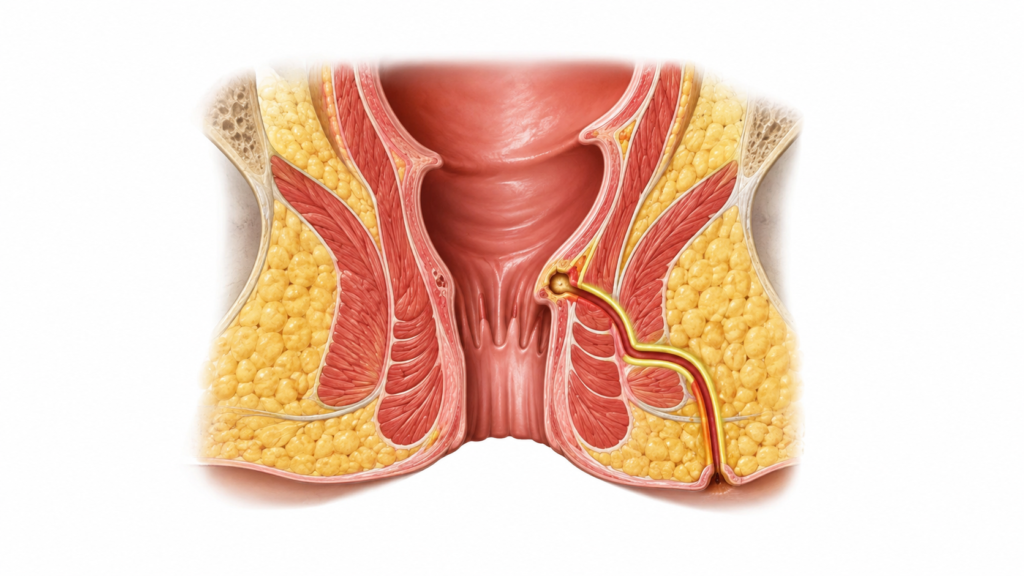
3. Pelvic Floor Dysfunction / Outlet Obstruction (Dyssynergic Defecation)
 ├── Inability to coordinate abdominal, rectal, and pelvic floor muscles during bearing down
 └── Paradoxical contraction or failure of puborectalis/anal sphincter muscles to relax

4. Intestinal Methanogen Overgrowth (IMO / Methane-SIBO)
 ├── Overgrowth of Methanobrevibacter smithii organisms producing high methane gas levels
 └── Methane acts as a neuromuscular inhibitor, slowing intestinal transit and driving constipation
Identifying the specific subtype ensures that medical interventions target the actual underlying dysfunction—whether that requires nerve-stimulating prokinetics, pelvic floor muscle retraining, or targeted antimicrobials.
2. Advanced Diagnostic Protocols Available in Hyderabad
Top gastroenterology and motility centers across Hyderabad utilize a structured, step-by-step diagnostic workflow to isolate the root cause of chronic constipation:
A. High-Resolution 3D Anorectal Manometry (HRAM)
HRAM is the gold-standard test for evaluating outlet obstruction and pelvic floor coordination. A thin, flexible catheter equipped with multiple pressure sensors is placed into the rectum and anal canal. It measures resting anal sphincter pressure, squeeze pressure, rectal sensation thresholds, and muscle coordination during bearing down (push test), accurately identifying dyssynergic defecation.
B. Balloon Expulsion Test (BET)
Conducted alongside manometry, a small silicone balloon filled with 50 mL of warm water is inserted into the rectum. The patient is asked to evacuate the balloon in a private setting. Inability to expel the balloon within 1 to 2 minutes strongly points to pelvic floor dyssynergia or an anatomical outlet obstruction.
C. Colonic Transit Study (Radiopaque Marker / Sitzmarks Test)
To evaluate colonic transit speed, the patient swallows a capsule containing 24 tiny radiopaque ring markers. Plain abdominal X-rays taken at 24, 72, and 120 hours track marker progression. Retaining markers throughout the colon indicates Slow-Transit Constipation, while markers clustered in the rectum point to an outlet obstruction.
D. MR Defecography (Dynamic Pelvic Floor MRI)
Dynamic pelvic MRI visualizes the pelvic floor organs, rectal wall, and anal canal in real-time during resting, squeezing, and evacuation phases. It identifies structural anatomical defects—such as rectoceles, enteroceles, sigmoidocelem, intussusception, or rectal prolapse—that physically block stool clearance.
E. Methane Breath Testing (IMO / SIBO Panel)
For patients experiencing severe constipation alongside chronic abdominal distension and gas, non-invasive hydrogen and methane breath testing measures exhaled methane gas. Confirming Intestinal Methanogen Overgrowth (IMO) guides targeted antimicrobial therapy.
3. Comprehensive Cost Breakdown: Constipation Care in Hyderabad
Diagnostic testing, motility evaluations, and specialist consultation costs vary across Hyderabad based on clinic infrastructure, diagnostic technology, and specialist qualifications.
2026 Price Index for Neurogastroenterology & Motility Services
| Diagnostic / Clinical Service | Price Range (INR) | Primary Clinical Purpose | Testing / Service Duration |
| Senior Neurogastroenterologist OPD Consultation | ₹700 – ₹1,500 | Clinical evaluation, history & physical exam | Outpatient Visit (30 mins) |
| High-Resolution 3D Anorectal Manometry (HRAM) | ₹6,500 – ₹12,000 | Diagnoses pelvic floor dyssynergia & sphincter spasm | Outpatient Motility Test (45 mins) |
| Pelvic Floor Biofeedback Therapy (Package of 6–10) | ₹12,000 – ₹22,000 | Neuromuscular retraining for dyssynergia | Weekly 45-min sessions |
| Dynamic MR Defecography (Pelvic Floor MRI) | ₹10,000 – ₹16,000 | Visualizes structural outlet blockages & rectoceles | Advanced MRI Imaging |
| Colonic Transit Marker Study (Sitzmarks Test) | ₹3,000 – ₹5,500 | Measures colonic peristaltic speed | Serial X-rays over 5 days |
| Methane/Hydrogen Breath Test (IMO / SIBO) | ₹3,500 – ₹6,500 | Detects methane-producing organisms | Non-invasive Test (2.5 hrs) |
| Diagnostic High-Definition Colonoscopy | ₹6,500 – ₹15,000 | Rules out structural tumors, strictures & polyps | Daycare Procedure (30 mins) |
| Targeted Prescription Motility Protocol (1 Month) | ₹1,500 – ₹4,500 | Prucalopride, Linaclotide, or secretagogues | Monthly Medical Course |
4. Comparing Treatment Pathways for Chronic Constipation
Matching the appropriate clinical approach to your specific diagnosis ensures effective, long-term recovery:
| Diagnosed Cause | Primary Medical Intervention | Targeted Nutritional Strategy | Biofeedback / Physical Therapy | Expected Recovery Timeline |
| Dyssynergic Defecation (Pelvic Dysfunction) | Stool softeners & osmotic agents (avoid laxatives) | Soluble fiber (Psyllium), adequate hydration | 6–10 Biofeedback Retraining Sessions | 4 to 8 weeks |
| Slow-Transit Constipation (STC) | 5-HT4 Agonist (Prucalopride) or Secretagogues | Low-residue initially, then gradual soluble fiber | Abdominal core physical therapy | 2 to 6 weeks |
| Intestinal Methanogen Overgrowth (IMO) | Rifaximin + Neomycin / Metronidazole | Temporary Low-FODMAP diet, prokinetics | Vagal nerve stimulation exercises | 3 to 6 weeks |
| Normal-Transit Functional Constipation | Osmotic laxatives (PEG / Lactitol) | High soluble fiber (30g/day), 3L water | Diaphragmatic breathing exercises | 1 to 3 weeks |
| Structural Rectocele / Prolapse | Pessary support or surgical repair | Soluble fiber to maintain soft stools | Pelvic floor muscle strengthening | Post-surgical or immediate |
5. Key Factors Shaping Treatment Quality in Hyderabad
When selecting a healthcare facility for chronic constipation care in Hyderabad, several factors influence diagnostic accuracy and outcome quality:
Key Quality Indicators for Constipation & Motility Clinics

1. Advanced Diagnostic Capabilities
 ├── In-house High-Resolution 3D Anorectal Manometry (HRAM) suites
 └── On-site Pelvic Floor Biofeedback retraining equipment & visual displays

2. Multidisciplinary Clinical Team
 ├── Senior Board-Certified Neurogastroenterologists (DM / DrNB GI)
 └── Dedicated Pelvic Floor Physical Therapists & GI Clinical Dietitians

3. Comprehensive Therapeutic Facilities
 ├── Access to MR Defecography imaging and transit marker studies
 └── Transparent package pricing with no hidden fees
6. What to Expect During Your Treatment Journey
Resolving chronic constipation involves a structured, step-by-step care plan:
1.1. Initial Specialist OPD Evaluation:Detailed medical evaluation and physical exam.
Your gastroenterologist reviews your symptom history, stool consistency (using the Bristol Stool Chart), medication history, laxative use, and lifestyle habits. A digital rectal exam assesses sphincter tone and relaxation during simulated bearing down.
2.2. Motility Diagnostic Workup:Targeted motility testing to isolate root causes.
Based on your initial evaluation, your doctor orders targeted motility tests—such as Anorectal Manometry, a Balloon Expulsion Test, Sitzmarks transit study, or SIBO breath test—to pinpoint the cause.
3.3. Targeted Therapeutic Intervention:Root-cause medical or neuromuscular therapy.
Once test results are confirmed, your specialist prescribes a targeted treatment plan. This may include modern prescription prokinetics for slow transit, biofeedback retraining for dyssynergia, or targeted antimicrobials for IMO.
4.4. Dietary Adjustments & Ongoing Follow-Up:Neuromuscular retraining and long-term care.
A GI dietitian and pelvic floor physical therapist guide you through structured toilet positioning, diaphragmatic breathing, and dietary adjustments. Follow-up visits monitor progress and help step down medications.
7. Dietary Protocols, Toilet Mechanics, and Pelvic Floor Hygiene
Incorporating proper physical positioning and evidence-based habits alongside clinical treatment helps support regular bowel function:
Correct Toilet Posture (The Squatting Position)
Modern sitting toilets straighten the anorectal angle insufficiently, causing the puborectalis muscle to choke the rectum during bearing down.
- Use a Footstool (Squatty Potty): Place a 7-to-9-inch stool under your feet while sitting on the toilet. Raising your knees above your hips flexes the hips to 35 degrees, relaxing the puborectalis muscle and creating a straight path for easy evacuation.
- Avoid Excessive Straining: Do not strain or hold your breath (Valsalva maneuver) for longer than 3 to 5 minutes. If evacuation does not occur, step away and return when the urge naturally recurs.
Dietary Adjustments
- Focus on Soluble Fiber: Gradually increase soluble fiber (psyllium husk, oats, flaxseeds, chia seeds, papaya) to build soft, moisture-retaining stool bulk. Avoid sudden increases in coarse insoluble bran fiber, which can worsen gas and bloating.
- Optimal Daily Hydration: Drink 3 to 3.5 liters of fluids daily (warm water, coconut water, clear broths). Fiber requires adequate water to form a soft gel; taking fiber without enough water can worsen constipation.
Abdominal Breathing and Vagus Nerve Exercises
- Diaphragmatic Breathing: Practice 5 minutes of deep abdominal breathing while sitting on the toilet. Inhaling deeply expands the belly, pushing the diaphragm downward to naturally increase abdominal pressure without straining pelvic muscles.
Frequently Asked Questions (15 Clinical & Practical FAQs)
How is chronic constipation clinically distinguished from occasional constipation?
Occasional constipation is temporary, lasting a few days following travel, dietary changes, or dehydration. Chronic constipation (defined by Rome IV criteria) persists for at least 3 to 6 months, involves fewer than 3 spontaneous bowel movements per week, requires excessive straining in over 25% of attempts, or involves hard lumpy stools, a sensation of incomplete evacuation, or manual maneuvers to assist passage.
What is Dyssynergic Defecation (Pelvic Floor Dysfunction)?
Dyssynergic defecation is a functional motility disorder where the brain and pelvic floor muscles fail to coordinate during bowel evacuation. Instead of relaxing and opening the puborectalis muscle and anal sphincter during bearing down, the muscles paradoxically contract or fail to relax, blocking stool clearance despite soft consistency.
How much does High-Resolution Anorectal Manometry cost in Hyderabad?
A High-Resolution 3D Anorectal Manometry test in Hyderabad typically costs between ₹6,500 and ₹12,000, depending on the diagnostic facility, probe technology, and whether balloon expulsion testing is performed concurrently.
What is Pelvic Floor Biofeedback Therapy, and how does it treat constipation?
Biofeedback therapy is a non-invasive, painless neuromuscular retraining technique. Using micro-sensors placed in the anal canal, a computer screen displays real-time muscle activity while visual/auditory cues guide the patient to re-train the brain to consciously relax pelvic floor muscles while bearing down.
How much does Pelvic Floor Biofeedback Therapy cost in Hyderabad?
A complete biofeedback therapeutic protocol (typically consisting of 6 to 12 weekly sessions) ranges between ₹12,000 and ₹22,000 in specialized neurogastroenterology centers across Hyderabad.
What is Slow-Transit Constipation (STC)?
Slow-transit constipation is a colonic motility disorder caused by impaired smooth muscle peristalsis or degenerate enteric nervous system signaling. Stool moves sluggishly through the large intestine, absorbing excessive water and producing dry, infrequent bowel movements.
How is colonic transit time evaluated in medical centers?
Colonic transit time is evaluated using a Kolomark or Sitzmarks radiopaque marker study. The patient swallows a capsule containing small radio-opaque markers, and abdominal X-rays taken at 24, 72, and 120 hours track the progression and location of retained markers.
Can Small Intestinal Bacterial Overgrowth (SIBO) or IMO cause severe constipation?
Yes. Intestinal Methanogen Overgrowth (IMO)—caused by elevated Methanobrevibacter smithii organisms—produces methane gas. Methane acts as a neuromuscular inhibitor in the gut, significantly slowing colonic transit and driving severe, treatment-resistant constipation.
Why do stimulant laxatives stop working over time?
Overusing chemical stimulant laxatives (such as senna, bisacodyl, or castor oil) can cause smooth muscle tolerance and damage colonic nerve plexuses (cathartic colon). This makes the intestine dependent on artificial stimulation rather than natural peristaltic reflex.
When is a colonoscopy recommended for chronic constipation?
A colonoscopy is indicated if chronic constipation is accompanied by red-flag warning signs—such as rectal bleeding, sudden unexplained onset after age 45, family history of colorectal cancer, severe unexplained weight loss, or anemia—to rule out structural blockages, strictures, or tumors.
What medications are prescribed for chronic constipation when over-the-counter fiber fails?
Specialists prescribe advanced prescription motility agents including selective 5-HT4 receptor agonists (Prucalopride), secretagogues (Linaclotide or Lubiprostone), and osmotic agents (Polyethylene Glycol or Lactitol) to stimulate colonic fluid secretion and motor waves.
Can chronic constipation cause secondary anorectal disorders like piles and fissures?
Yes. Repetitive straining against hard stools increases venous pressure in the anal canal, causing hemorrhoids (piles), while tearing the delicate anal lining creates painful anal fissures and rectal prolapse.
What red-flag symptoms require urgent emergency gastroenterology evaluation?
Seek immediate emergency evaluation if constipation is accompanied by severe unremitting abdominal pain, persistent vomiting, complete inability to pass gas or stool (acute intestinal obstruction), high fever, or significant fresh rectal bleeding.
How long does a specialized neurogastroenterology treatment plan take to restore normal bowel habits?
Most patients experience functional improvement within 2 to 4 weeks of starting targeted prescription medications or biofeedback therapy. Long-term neuromuscular retraining and dietary adaptations typically require 3 to 6 months of structured follow-up.
Leave a Reply