

Table of Contents
Constipation Treatment in Hyderabad: Causes, Costs & Specialist Care
Persistent or severe constipation—characterized by infrequent bowel movements, hard stools, painful straining, and a sensation of incomplete evacuation—is a widespread gastrointestinal concern affecting individuals across all age demographics in Hyderabad. While occasional constipation often resolves with basic dietary adjustments, chronic or refractory constipation frequently indicates an underlying functional, structural, or metabolic disorder.
Factors such as sedentary urban work environments, low fiber consumption, erratic dining schedules, inadequate fluid intake, and high stress levels contribute to gut motility disorders across the city. Leading gastroenterology institutes in major medical hubs—including Jubilee Hills, Banjara Hills, HITECH City, Gachibowli, Secunderabad, and Kukatpally—offer specialized Constipation Treatment in Hyderabad. These medical centers provide advanced diagnostic testing (such as anorectal manometry, balloon expulsion testing, and colonoscopy) paired with evidence-based therapies, including pelvic floor biofeedback and targeted prokinetic medical care.
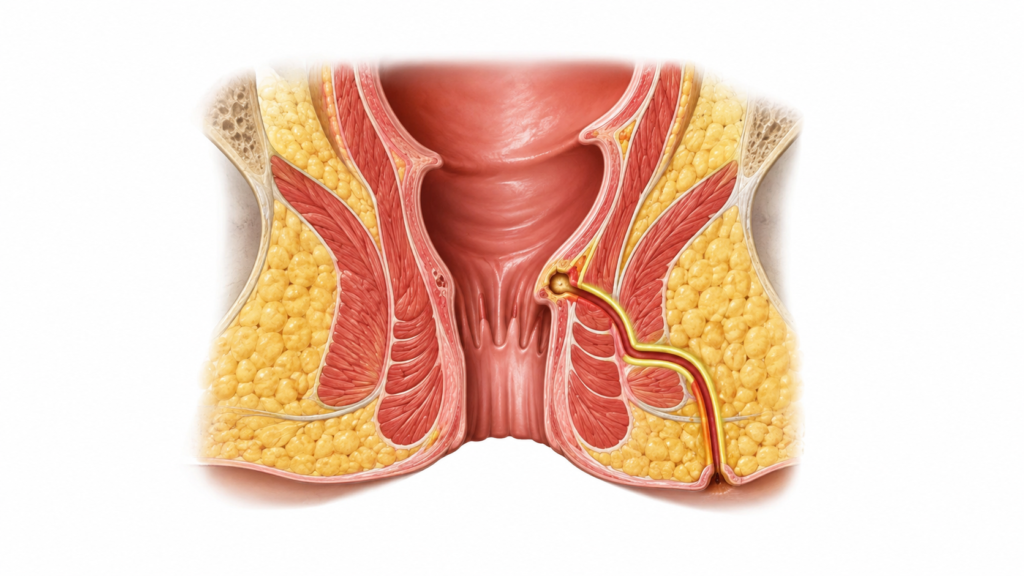
1. Clinical Classifications of Chronic Constipation
Gastroenterologists categorize chronic constipation into distinct medical types to determine the most effective treatment approach:
Medical Classification of Chronic Constipation

1. Functional / Normal-Transit Constipation (NTC)
 ├── Stool traverses colon at a normal pace
 └── Caused by low dietary fiber, poor fluid intake, or heightened visceral perception

2. Slow-Transit Constipation (STC / Colonic Inertia)
 ├── Impaired colonic smooth muscle contraction or enteric nervous system dysfunction
 └── Stool moves sluggishly through the colon, causing severe infrequent evacuation

3. Defecatory Disorders / Outflow Obstruction (ODS)
 ├── Pelvic Floor Dyssynergia: Uncoordinated sphincter/puborectalis muscle contraction
 └── Structural Anomalies: Rectocele, enterocele, or rectal intussusception

4. Secondary & Metabolic Constipation
 ├── Endocrine: Hypothyroidism, uncontrolled diabetes mellitus, hypercalcemia
 └── Neurological / Drug-Induced: Parkinson's disease, opioids, calcium channel blockers
Accurately classifying the specific constipation type helps prevent unnecessary treatments and guides targeted medical management.
2. Advanced Diagnostic Protocols Available in Hyderabad
Top gastroenterology and proctology centers in Hyderabad utilize comprehensive diagnostic pathways to identify the precise cause of persistent bowel dysfunction:
A. Anorectal Manometry & Balloon Expulsion Test
This diagnostic procedure uses a thin, pressure-sensitive catheter placed in the rectum to measure anal sphincter pressures, assess rectal sensation thresholds, test neural reflexes, and evaluate pelvic floor muscle coordination during simulated defecation. The balloon expulsion test measures the time required to expel a small, water-filled balloon, identifying dyssynergic defecation or outflow obstruction.
B. Diagnostic Colonoscopy
Colonoscopy allows direct visualization of the entire mucosal lining of the colon. It is recommended for patients presenting with warning signs (such as unexplained weight loss, iron-deficiency anemia, or rectal bleeding) to rule out colonic strictures, inflammatory bowel disease, polyps, or malignancy.
C. Radiographic / Digital Defecography
Defecography uses real-time fluoroscopic imaging or MRI to evaluate dynamic structural changes during defecation. It helps identify rectoceles, mucosal prolapse, internal intussusception, and puborectalis muscle dysfunction.
D. Radiopaque Marker Transit Study (SITZ Mark Test)
The patient swallows a capsule containing radiopaque markers, and abdominal X-rays are taken on specific days to assess colonic transit time. This study helps differentiate slow-transit constipation from pelvic floor dysfunction.
3. Comprehensive Cost Breakdown: Constipation Treatment in Hyderabad
Pricing for specialist consultations, diagnostic testing, and therapeutic procedures in Hyderabad varies based on facility infrastructure, equipment quality, and physician experience.
2026 Price Index for Digestive Motility & Proctology Services
| Clinical Diagnostic / Procedure | Price Range (INR) | Primary Clinical Indication | Testing / Treatment Frequency |
| Gastroenterologist Senior Consultation | ₹600 – ₹1,200 | Clinical history, Rome IV evaluation, and treatment planning | Initial & Follow-up visits |
| Diagnostic Colonoscopy (With Sedation) | ₹6,500 – ₹15,000 | Mucosal evaluation to rule out strictures, polyps, or tumors | Single diagnostic procedure |
| Anorectal Manometry | ₹5,500 – ₹8,500 | Assesses sphincter pressures and pelvic floor muscle coordination | Single diagnostic study |
| Pelvic Floor Biofeedback Session | ₹1,500 – ₹2,500 / session | Retrains dyssynergic pelvic floor muscles | Recommended 6–8 sessions |
| Colonic Transit Study (SITZ Markers) | ₹2,500 – ₹4,500 | Differentiates slow-transit constipation from normal-transit | Single study with serial X-rays |
| Targeted Prokinetic / Osmotic Medication | ₹800 – ₹3,000 | Prucalopride, Lubiprostone, or Polyethylene Glycol | Monthly medical prescription |
| STARR / Minimally Invasive Surgery | ₹45,000 – ₹95,000 | Corrects structural rectocele or intussusception | Surgical intervention (if indicated) |

4. Method Comparison: Clinical Treatment Pathways
Matching the appropriate treatment strategy to the diagnosed underlying cause helps ensure long-term, effective relief:
| Diagnosed Condition | Primary Medical Modality | Secondary / Complementary Strategy | Diagnostic Re-evaluation | Expected Recovery Timeline |
| Normal-Transit Constipation | Osmotic laxatives (PEG / Lactulose), soluble fiber | Hydrotherapy, dietary fiber adjustments, hydration | Clinical progress review | 3 to 7 days |
| Pelvic Floor Dyssynergia | Anorectal Biofeedback Retraining Therapy | Diaphragmatic breathing, posture adjustments | Repeat balloon expulsion test | 4 to 8 weeks |
| Slow-Transit Constipation | 5-HT4 receptor agonists (Prucalopride), secretagogues | Scheduled toileting, abdominal massage | Colonic transit marker re-check | 2 to 4 weeks |
| Obstructed Defecation (Structural) | Conservative pelvic therapy or STARR surgery | Bulking agents, stool softeners | Dynamic defecography review | 2 to 6 weeks post-procedure |
| Drug-Induced / Secondary | Adjustment of causative medications | Treatment of primary condition (e.g., thyroid) | Targeted blood panels | 1 to 2 weeks |
5. Factors Shaping Diagnostic & Treatment Standards in Hyderabad
When choosing a facility for chronic constipation care in Hyderabad, several factors influence diagnostic accuracy and clinical outcomes:
Key Quality Drivers for Gastroenterology & Proctology Care

1. Diagnostic Motility Infrastructure
 ├── High-resolution anorectal manometry and balloon expulsion equipment
 └── Modern high-definition endoscopes with NBI capability

2. Multidisciplinary Medical Team
 ├── Senior Board-Certified Gastroenterologists (DM/DNB)
 └── Certified pelvic floor physiotherapists experienced in biofeedback

3. Surgical & Anorectal Expertise
 ├── Minimal access proctologists trained in STARR and stapled procedures
 └── Comprehensive day-care surgical facilities
1. Dedicated Motility Equipment
Facilities equipped with anorectal manometry and pelvic floor biofeedback units provide more accurate diagnoses than general clinics relying solely on empirical laxative prescriptions.
2. Provider Expertise
Evaluating chronic constipation requires looking beyond temporary laxative use. Senior gastroenterologists and proctologists evaluate colonic transit, pelvic floor coordination, and underlying metabolic conditions to tailor treatment effectively.
6. What to Expect During Your Treatment Journey
Resolving chronic constipation involves a structured, multi-step medical process:
1.1. Comprehensive Clinical Evaluation:Detailed medical evaluation and physical assessment.
Your specialist reviews your bowel frequency, stool consistency (using the Bristol Stool Chart), medication history, and dietary habits. A physical and digital rectal examination assesses sphincter tone and pelvic floor relaxation.
2.2. Specialized Diagnostic Procedures:Targeted diagnostic testing.
Depending on your symptoms, the doctor orders diagnostic tests such as anorectal manometry, a balloon expulsion test, a colonoscopy, or a colonic transit study to determine the underlying cause.
3.3. Personalized Treatment Plan:Targeted medical or physical therapy.
Once the diagnosis is established, your physician prescribes targeted medical therapy—such as non-habit-forming osmotic laxatives, prokinetics, or a structured course of pelvic floor biofeedback retraining.
4.4. Dietary Adjustments & Follow-up Care:Dietary guidance and ongoing support.
A specialized GI dietitian provides a tailored meal plan emphasizing soluble fiber and hydration. Follow-up appointments monitor bowel regularity and allow adjustments to your care plan.
7. Dietary & Lifestyle Management Guidelines for Long-Term Regularity
Incorporate evidence-based habits alongside clinical care to maintain regular bowel function:
High-Fiber Dietary Practices
- Gradual Fiber Increase: Increase dietary fiber to 25–35 grams per day using whole grains, legumes, vegetables, and seeds. Increase intake gradually over 2 to 3 weeks to prevent gas and bloating.
- Soluble Fiber Focus: Include soluble fiber sources such as psyllium husk (isabgol), oats, chia seeds, and apples, which form a soft gel in the digestive tract to ease stool passage.
- Adequate Hydration: Drink 2.5 to 3.5 liters of water daily. Soluble fiber requires sufficient hydration to soften stools effectively; insufficient fluid intake can worsen constipation.
Proper Toileting Posture & Habits
- Squatting Position: Use a footstool (such as a Squatty Potty) to raise your knees above your hips while seated on a standard toilet. This relaxes the puborectalis muscle and straightens the anorectal angle for easier stool evacuation.
- Respond to Urges: Never ignore the natural urge to defecate. Suppressing bowel movements allows the colon to absorb more water from the stool, making it harder and more difficult to pass.
- Morning Physical Activity: A brief 15-to-20 minute morning walk or gentle aerobic exercise stimulates intestinal peristalsis and supports regular bowel movements.
Frequently Asked Questions (15 Clinical & Practical FAQs)
What defines chronic constipation medically?
Chronic constipation is clinically defined under Rome IV criteria as having fewer than three spontaneous bowel movements per week for over three months, accompanied by symptoms such as lumpy or hard stools, severe straining, a sensation of incomplete evacuation, or a feeling of anorectal blockage in at least 25% of defecations.
When should I see a doctor for constipation treatment in Hyderabad?
You should consult a gastroenterology specialist if constipation lasts more than three weeks, fails to respond to dietary fiber and fluid adjustments, or is accompanied by warning signs such as rectal bleeding, sudden changes in bowel habits after age 45, unexplained weight loss, or severe abdominal pain.
What is pelvic floor dyssynergia or dyssynergic defecation?
Pelvic floor dyssynergia occurs when the pelvic floor muscles and puborectalis muscle paradoxically contract or fail to relax during bearing down, preventing normal stool evacuation despite adequate colonic motility.
How does biofeedback therapy treat chronic constipation?
Biofeedback therapy is a painless, non-invasive retraining technique. Using anorectal sensors connected to a computer display, specialized pelvic floor physiotherapists train patients to relax their anal sphincter and coordinate abdominal pressure during defecation.
How much does a colonoscopy cost in Hyderabad?
A diagnostic colonoscopy in Hyderabad ranges between ₹6,500 and ₹15,000, depending on sedation requirements, biopsy sample needs, and facility infrastructure.
What is Obstructed Defecation Syndrome (ODS)?
Obstructed Defecation Syndrome (ODS) is a functional bowel condition where stool reaches the rectum normally but cannot be easily evacuated due to structural abnormalities (such as rectocele or rectal intussusception) or muscular uncoordination.
Can long-term use of laxatives harm my intestines?
Stimulant laxatives (such as senna, bisacodyl, or castor oil) can cause cathartic colon, laxative dependence, and electrolyte imbalances when overused long-term. Osmotic laxatives (like polyethylene glycol or lactulose) are generally safer for extended clinical management under medical supervision.
How does diet and water quality in Hyderabad affect constipation?
Diets low in dietary fiber (lacking whole grains, vegetables, and pulses) combined with inadequate hydration slow down intestinal transit. Consuming unboiled hard water high in total dissolved solids (TDS) can also alter gut motility in sensitive individuals.
What is the role of anorectal manometry in diagnosing constipation?
Anorectal manometry measures pressure dynamics in the anal sphincters, evaluates rectal sensation thresholds, tests neural reflexes, and assesses pelvic muscle relaxation during simulated defecation to pinpoint structural or motor dysfunction.
Can thyroid disorders or diabetes cause severe chronic constipation?
Yes. Hypothyroidism slows metabolic processes and smooth muscle contraction in the digestive tract. Autonomic neuropathy caused by long-standing diabetes can impair colonic nerve signals, resulting in slow-transit constipation.
Is surgery ever required for constipation treatment?
Surgery is rarely needed and is considered only after conservative medical treatments have failed. Minimally invasive procedures (such as STARR surgery for rectocele or total colectomy for severe colonic inertia) are reserved for documented structural anomalies or complete colonic paralysis.
What dietary fiber amount is recommended for managing constipation?
Gastroenterologists recommend 25 to 35 grams of total dietary fiber daily, incorporating both soluble fiber (such as psyllium husk, oats, and legumes) to soften stool and insoluble fiber (whole grains and vegetables) to add stool bulk.
How does chronic constipation lead to secondary anorectal conditions like piles and fissures?
Repeated straining and passing hard stools increase pressure within the anal canal. This can dilate hemorrhoidal veins (causing piles or hemorrhoids) or tear the delicate anal lining (causing painful anal fissures).
How long does it take to see improvements with clinical constipation therapy?
Most patients experience initial symptomatic improvement within 3 to 7 days using targeted osmotic agents and dietary adjustments. Complex cases involving pelvic floor dyssynergia typically require 4 to 8 weeks of structured biofeedback therapy.

Leave a Reply