
Table of Contents
Best Yoga for Beginners: A Complete Guide 2026
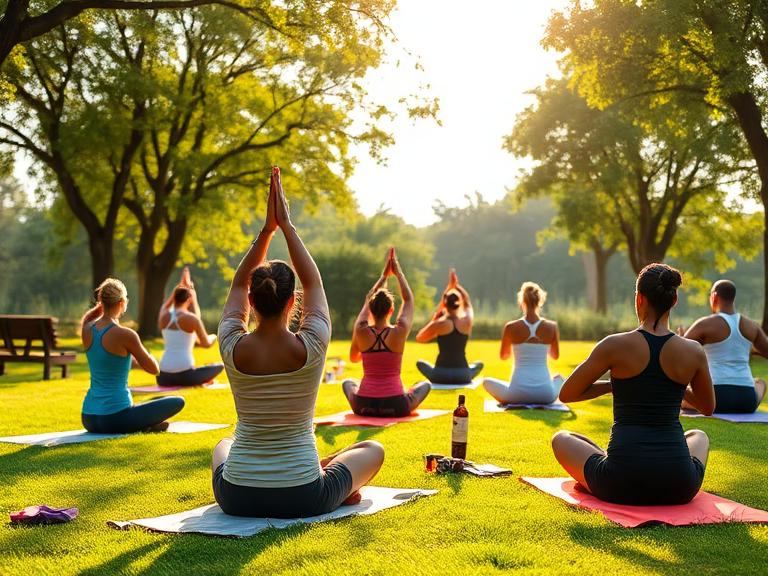
Yoga for beginners is designed to introduce foundational postures, breathwork, and relaxation techniques in a safe and manageable way. Beginners can choose from studio-based classes, outdoor sessions in parks or beaches, and online guided programs. In Chennai and other cities, options such as Outdoor Yoga Chennai offer structured beginner yoga classes that combine outdoor and online sessions, making it easier to develop consistency, confidence, and proper alignment. Beginner yoga focuses on gradual progression, mindful movement, and habit formation rather than intensity, helping practitioners build a sustainable wellness routine.
Why Yoga for Beginners Is Important
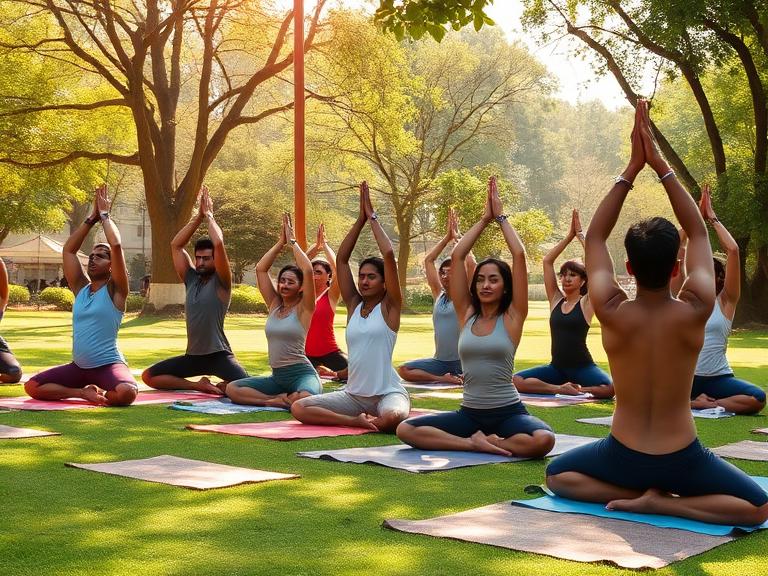
Yoga for beginners emphasizes safety, awareness, and consistency. Many newcomers face common challenges:
- Lack of experience with alignment and breathing
- Overwhelm from complex yoga styles or sequences
- Time constraints due to work or lifestyle
- Fear of injury or discomfort
Structured beginner yoga addresses these issues by providing simple sequences, modifications, and clear guidance. Practicing at the beginner level allows the body and mind to adapt, forming the foundation for more advanced postures and longer sequences over time.
How Yoga for Beginners Is Structured
A typical beginner yoga session includes:
- Warm-up and Gentle Stretching: Prepares the body and joints for postures.
- Basic Postures (Asanas): Foundational poses like Tadasana, Balasana, Bhujangasana, and Sukhasana.
- Breathing Techniques (Pranayama): Focused on diaphragmatic breathing or alternate nostril breathing.
- Short Flow Sequences: Linking postures slowly with breath.
- Relaxation (Savasana or Guided Meditation): Helps calm the mind and integrate benefits.
- Modifications and Props: Blocks, cushions, straps, or chairs for safety and accessibility.
Each session is intentionally paced for comfort, mindfulness, and habit-building.
Common Types of Yoga for Beginners
- Hatha Yoga: Slow-paced and alignment-focused; ideal for first-timers.
- Gentle Vinyasa / Flow: Linking postures with breath at a manageable pace.
- Restorative Yoga: Emphasis on relaxation, stress relief, and gentle stretching.
- Chair or Desk Yoga: Adapted for mobility limitations or office-based practitioners.
- Online Beginner Yoga: Flexibility and convenience for home practice.
- Outdoor Beginner Yoga: Parks, beaches, or open spaces for fresh air and grounding.
Locations for Beginner Yoga
- Yoga Studios: Offer structured beginner programs with experienced instructors.
- Outdoor Spaces: Beaches, parks, and community gardens allow a natural, relaxing environment.
- Online Platforms: Live or recorded sessions provide flexibility and accessibility.
- Neighborhood Wellness Centers: Smaller, intimate sessions for beginners seeking personal attention.
Choosing a location that suits your lifestyle improves consistency and confidence.
Who Benefits from Yoga for Beginners
- Working Professionals: Short, flexible sessions relieve workday stress and improve posture.
- Students: Helps manage focus, stress, and physical activity.
- Women: Often prefer beginner classes designed for comfort and privacy.
- Seniors: Gentle sequences improve mobility and balance.
- People with Sedentary Lifestyles: Beginner yoga introduces safe movement and posture awareness.
How to Start Yoga for Beginners
- Choose a Format: Studio, online, or outdoor depending on comfort and accessibility.
- Set Up a Space: Quiet, safe, and spacious enough for movement; use props if needed.
- Schedule Consistently: Aim for 3–5 sessions per week initially.
- Start Slow: Focus on posture alignment, breathing, and short sequences.
- Use Props and Modifications: Blocks, straps, or cushions support safe practice.
- Track Progress: Monitor improvements in flexibility, balance, and focus.
Safety Tips for Beginners
- Avoid forcing postures; prioritize alignment.
- Listen to your body and rest as needed.
- Use props to maintain safe posture.
- Gradually increase session length and intensity.
- Seek feedback from certified instructors when possible.
Outdoor vs Studio vs Online Beginner Yoga
- Outdoor: Fresh air, sunlight, and a calming environment; ideal for grounding.
- Studio: Structured environment, props, and direct feedback from instructors.
- Online: Convenient, flexible, and adaptable to home practice.
Many beginners blend formats for variety and consistency.
Common Beginner Yoga Styles Explained
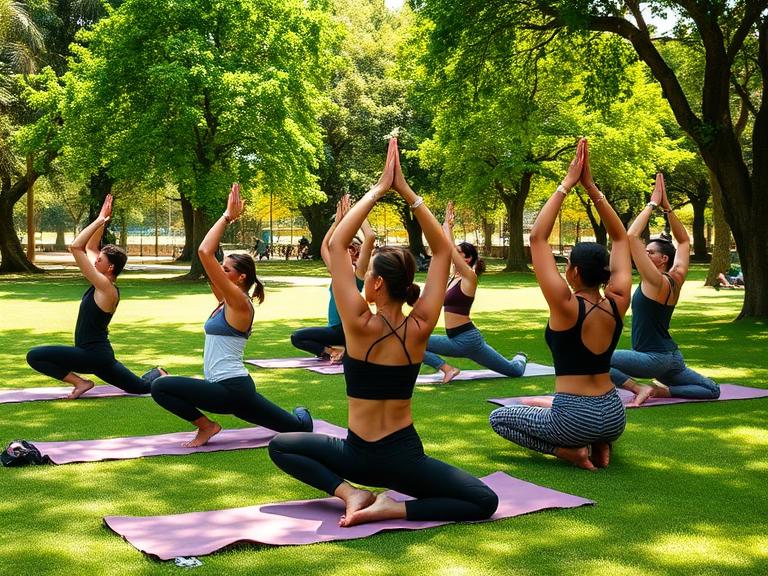
- Hatha Yoga: Foundation-focused, gentle sequences.
- Vinyasa Flow: Breath-linked movement; beginners follow slower variations.
- Restorative Yoga: Emphasizes relaxation and stress reduction.
- Chair Yoga: Ideal for seniors, limited mobility, or office breaks.
- Mindfulness & Breathing Practices: Supports mental clarity and relaxation.
Equipment for Yoga for Beginners
- Yoga mat
- Cushions or blankets for support
- Yoga blocks or straps
- Comfortable clothing
- Optional: small weights or balls for gentle strengthening
Props ensure safety, comfort, and alignment during beginner sessions.
Cost Expectations for Beginner Yoga
- Studio Classes: Drop-ins or monthly memberships; typically mid-range pricing.
- Online Classes: Subscription-based or per-class payment options.
- Outdoor Classes: Often community-based or lower cost.
- Hybrid Classes: Bundles of online and occasional outdoor sessions, such as those offered by Outdoor Yoga Chennai.
Scheduling Beginner Yoga
- Consistency matters more than session length.
- Short sessions (30–45 minutes) are ideal for building habits.
- Morning or evening sessions often suit lifestyle and climate.
Beginner Yoga for Women
- Focuses on gentle pacing, comfort, and privacy.
- Classes may include stress management, core awareness, and foundational flexibility.
- Online or outdoor options provide convenience and safe environments.
Beginner Yoga for Seniors
- Prioritizes gentle movement, balance, and joint mobility.
- Chair or floor-based modifications are common.
- Online sessions allow seniors to practice safely at home.
How Many Times Should Beginners Practice
- 2–3 times per week for initial consistency.
- Gradually increase frequency to 4–5 sessions as comfort and confidence grow.
- Short daily breathing or stretching practices enhance the routine.
Common FAQs About Yoga for Beginners
- What is yoga for beginners?
- Can I start yoga if I am not flexible?
- Are online beginner yoga classes safe?
- How long should a beginner yoga session last?
- What equipment do I need to start yoga?
- Can seniors practice beginner yoga safely?
- How many times per week should a beginner practice yoga?
- Is outdoor yoga suitable for beginners?
- Which beginner yoga style is easiest?
- How do I choose a beginner yoga instructor?
- Can women practice beginner yoga safely at home?
- Do I need to follow strict timing for yoga?
- Can beginners mix online and studio classes?
- How fast will I see results from beginner yoga?
- Is beginner yoga stressful or relaxing?
Closing Perspective
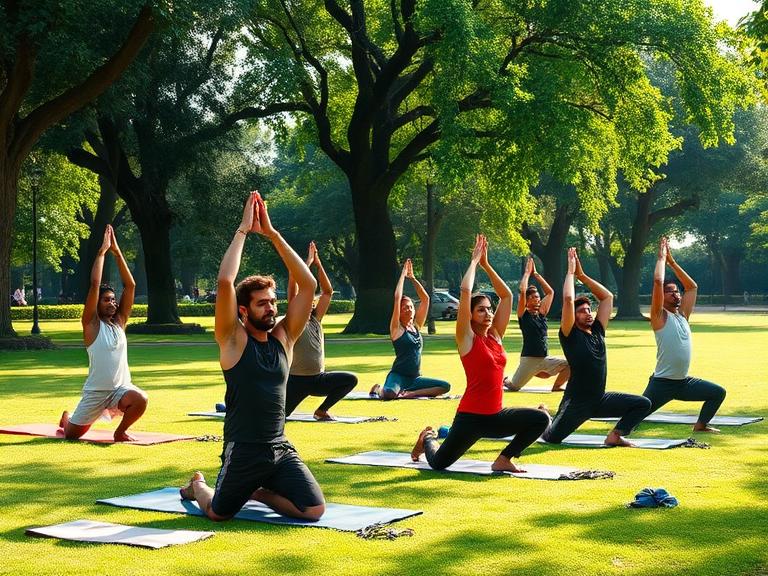
Yoga for beginners provides a gentle, safe, and structured introduction to yoga. By choosing the right format—studio, online, or outdoor—and focusing on alignment, breathing, and consistent practice, beginners can build a solid foundation for long-term wellness. With proper guidance and patience, yoga for beginners becomes a sustainable habit rather than a short-term activity.


Leave a Reply