
Table of Contents
Traditional Wedding Planners Hyderabad | Vedic Telugu & South Indian Weddings
A traditional wedding in Hyderabad—anchored heavily in Vedic Telugu customs (Telugintivari Pelli), South Indian rituals, and regional community nuances—is a highly complex, multi-day cultural production. Unlike contemporary social gatherings, a Vedic wedding centers on a mathematically precise, horoscope-determined time window known as the Muhurtham. Every micro-ritual—from Ganesha Puja, Pellikuthuru/Pellikoduku, Snathakam, and Kashi Yatra to Kanyadaanam, Jeelakarra Bellam, Mangalya Dharanam, and Talambralu—follows a strict, non-negotiable sequence that must synchronize seamlessly with catering, photography, audio-visual execution, and guest movement.
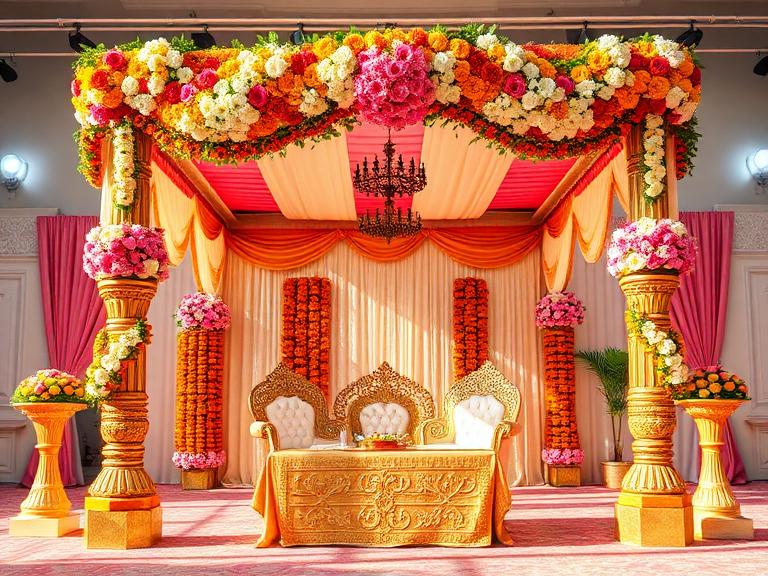
                          TELUGU WEDDING RITUAL PRODUCTION TIMELINE
                                              │
    ┌─────────────────────────┬───────────────┴───────────────┬─────────────────────────┐
    │                         │                               │                         │
┌───▼──────────────┐    ┌─────▼──────────────┐      ┌─────────▼────────────┐    ┌───────▼─────────────────┐
│ Dawn Phase       │    │ Pre-Muhurtham      │      │ Sacred Muhurtham     │    │ Post-Muhurtham          │
│ (04:00 - 06:30)  │    │ (06:30 - 08:00)    │      │ (08:00 - 09:30)      │    │ (09:30 Onward)          │
└──────────────────┘    └────────────────────┘      └──────────────────────┘    └─────────────────────────┘
  • Mangala Snanam        • Kashi Yatra               • Jeelakarra Bellam         • Talambralu (Rice)
  • Nadaswaram Live       • Ganapathi Puja            • Mangalya Dharanam         • Saptapadi & Homam
  • Tiffin Service        • Kanyadaanam               • Curtain Lowering          • Authentic Ila Lanti
    Setup Begins            Execution                   Synchronized Shift          Sathya Feast
Hyderabad’s venue geography spans heritage convention halls (Gachibowli, Shamshabad, Kompally), royal palaces (Chowmahalla, Taj Falaknuma), and sprawling outdoor convention lawns (Financial District, Sainikpuri). Executing a traditional celebration across these spaces requires Traditional Wedding Planners in Hyderabad who act as ritual technical directors, spatial engineers, authentic decor fabricators, and hospitality managers.
Technical Specifications: Sacred Mandap & Ritual Engineering
The sacred Wedding Mandap (Pelli Pandiri) serves as the spiritual and visual centerpiece of a traditional Hindu wedding. Its construction requires balancing Vedic proportions (Vastu Shastra) with modern structural engineering.
| Engineering & Decor Element | Material & Structural Specifications | Technical & Cultural Execution Focus | Venue Suitability |
| Traditional Mandap Structure | 4/8-Pillar Heavy Steel Frame wrapped in Teak/Banana Trunk bark or Carved Fiber Pillars | Load-bearing validation for heavy overhead floral domes, suspended brass lamps, and central smoke clearance. | Convention Centers, Royal Palaces & Open Lawns |
| Havan Kund & Smoke Extraction | Fire-Retardant Basal Board, Copper Kund, and Concealed Overhead Exhaust Ducts | Active smoke management during Saptapadi and Homam to prevent guest discomfort and avoid triggering indoor venue fire alarms. | Air-Conditioned Indoor Ballrooms & Banquets |
| Acoustic Audio Tuning | Line-Array Speaker Drops with High-Fidelity Lapel Mics for Priests (Veda Pandits) | Direct frequency isolation to ensure pristine acoustic clarity of Vedic chanting without feedback or echo. | High-Ceiling Heritage Halls & Open Grounds |
| Fresh Floral Architecture | Pure Jasmine (Mallepoolu), Marigold (Banthipoolu), Mango Leaves (Toranalu), Lotus | Climate-controlled floral preservation with hydro-locking techniques to prevent wilting during extended dawn-to-noon rituals. | All Indoor & Outdoor Mandap Setups |
| Authentic Dining Setup (Ila Lanti) | Low-Seating Wooden Peeatalu or Elevated Tables with Fresh Bio-degradable Banana Leaves | Ergonomic row spacing for rapid, multi-course service (Vindhu Bhojanam) and high-capacity wet waste disposal logistics. | Dedicated Dining Halls & Outdoor Lawns |
Core Service Verticals Provided by Traditional Wedding Planners
                   TRADITIONAL WEDDING MANAGEMENT VERTICALS
                                      │
    ┌───────────────────┬─────────────┴─────────────┬───────────────────┐
    │                   │                           │                   │
┌───▼────────────┐  ┌───▼────────────┐          ┌───▼────────────┐  ┌───▼────────────┐
│ Ritual & Pandit│  │ Mandap & Spatial│          │ Culinary & Traditional│ Hospitality & VIP│
│ Coordination   │  │ Fabrication    │          │ Catering Management   │ Logistics Control │
└────────────────┘  └────────────────┘          └────────────────┘  └────────────────┘
  • Vedic Pandits     • Temple Mandap Design      • Authentic Banana-    • Airport Transfers
  • Puja Samagri Sourcing • Vastu Alignment         Leaf Feasts          • Hotel Room Allocation
  • Muhurtham Timing  • Live Flower Installation  • Live Cooking Stalls  • Guest Transit Logistics
1. Ritual Logistics, Vedic Pandit Sourcing & Samagri Management
A traditional wedding relies on executing every rite with complete ritual accuracy:
- Purohit & Pandit Network: Booking qualified Vedic scholars specializing in regional traditions (Telugu Smartha, Dravida, Brahmin, Kshatriya, Reddy, Kamma, or Arya Samaj rituals).
- Puja Samagri Engineering: Sourcing pure, unadulterated ritual ingredients—including organic turmeric, custom Jeelakarra Bellam paste, sacred grass (Dharba), raw rice (Akshatalu), and ceremonial brassware.
- Muhurtham Countdown Synchronization: Ensuring the groom, bride, priests, and photographers are aligned so that key moments—such as Jeelakarra Bellam and Mangalya Dharanam—happen at the exact designated minute.
2. Traditional Spatial Decor & Temple Architecture Fabrication
Bridging authentic cultural aesthetics with modern venue layouts:
- Temple-Style Mandapams: Recreating classic South Indian temple motifs featuring carved pillars, brass Kalasham, hanging floral ceilings, and oil lamp (Deepam) pathways.
- Traditional Materials: Incorporating authentic organic elements like banana trunks, sugarcane stalks, coconut leaf weaving, and fresh marigold torans.
- Pelli Pandiri & Entrance Torans: Constructing welcoming arches featuring traditional Kolam/Rangoli floor art, live Nadaswaram stages, and floral displays.
3. Authentic Culinary Management (Sathya / Vindhu Bhojanam)
Catering is a central element of a traditional wedding:
- Traditional Pure-Veg & Regional Menu Curation: Designing authentic multi-course menus served on fresh banana leaves (Arati Aaku Vindhu), featuring traditional dishes like Gongura Pappu, Avakai, Pulihora, Pootharekulu, and fresh Ariselu.
- Service Line Operations: Managing traditional caterers (Vantalu Masters) and organizing fast, hygienic dining rotations capable of serving thousands of guests seamlessly.
4. Guest Hospitality, Logistics & Cultural Entertainment
Managing multi-generational guest expectations:
- Cultural Artist Booking: Sourcing traditional Nadaswaram and Mridangam artists, classical Carnatic vocalists, Harikatha performers, and traditional welcome troops (Kolu-Anatalu).
- Logistics & Transit: Coordinating fleet operations between RGIA Airport, major hotel clusters (Banjara Hills, HITEC City, Secunderabad), and venue locations.
4-Step Process for Hiring Traditional Wedding Planners in Hyderabad
Step 1: Evaluate Cultural Expertise & Ritual Familiarity
Select a planning team with a proven track record in your family’s specific community rituals. Verify their understanding of pre-wedding ceremonies (Nischitartham, Pellikuthuru), wedding day rites (Snathakam, Kashi Yatra, Kanyadaanam), and post-wedding traditions (Sthalipakam, Appaginthalu, Grihapravesham).
Step 2: Inspect Mandap Production & Vendor Assets
Verify whether the planner fabricates traditional mandap elements directly or relies on third-party suppliers. Review their inventory of authentic brass props, wooden Peeatalu, structural trussing, and fresh floral supply connections.
Step 3: Audit Financial Transparency & Billing Models
Ensure the planner offers an itemized breakdown across all cost heads:
- Fixed Management Fee: A transparent fee covering complete planning, ritual management, and on-site execution.
- Percentage of Budget: A structured fee (typically 10% to 15%) tied to the overall wedding budget.
Step 4: Verify Live Coordination & Emergency Contingency
Confirm the team’s live-event capabilities, including power backup generators, fire safety setups for the Homam, and contingency plans for weather changes during outdoor ceremonies.
Frequently Asked Questions (15 In-Depth FAQs)
Q1: Why should I hire dedicated traditional wedding planners in Hyderabad instead of general planners?
Traditional planners possess specialized knowledge of Vedic rituals, sub-community customs, exact Muhurtham timing, temple decor construction, and relationships with authentic catering teams. This ensures every sacred ritual is performed correctly and without delay.
Q2: Which specific Telugu wedding rituals do planners coordinate?
Planners coordinate all pre-wedding and wedding day rituals, including Nischitartham, Pellikuthuru/Pellikoduku, Mangala Snanam, Snathakam, Kashi Yatra, Ganesh & Gauri Puja, Kanyadaanam, Jeelakarra Bellam, Mangalya Dharanam, Talambralu, Saptapadi, and Appaginthalu.
Q3: How do planners ensure the sacred Muhurtham timing is met without delay?
Planners create a backward-integrated timeline starting from the exact Muhurtham minute. They assign dedicated ritual coordinators to the bride, groom, priests, caterers, and AV teams to ensure everyone is ready on schedule.
Q4: Can traditional wedding planners source experienced Vedic Purohits and Pandits?
Yes. Planners maintain networks of qualified, respected Vedic Purohits and Pandits proficient in specific regional and community traditions (Telugu, Tamil, Kannada, Brahmin, Arya Samaj, etc.).
Q5: What materials are typically used for traditional South Indian Mandap decor?
Traditional mandapams feature carved wood, banana plants, sugarcane, fresh marigold, jasmine, lotus flowers, mango leaf torans, woven coconut leaves, brass lamps, and traditional oil burners.
Q6: How are indoor hall fire safety restrictions handled during the sacred Homam?
Planners build Havan Kunds equipped with fire-retardant bases and discreet overhead smoke-exhaust systems, allowing the sacred fire ritual to proceed safely without setting off venue alarms.
Q7: What is an Arati Aaku Vindhu setup, and how do planners manage it?
An Arati Aaku Vindhu is a traditional multi-course meal served on fresh banana leaves. Planners manage the seating layouts, train service teams on traditional serving sequences, and ensure quick turnover between guest dining batches.
Q8: Do planners manage multi-day events across different venues in Hyderabad?
Yes. Planners frequently coordinate multi-day schedules spanning different locations, such as home setups for Pellikuthuru, convention halls for the Wedding, and hotel ballrooms or resorts for the Reception.
Q9: What authentic music options can planners arrange for traditional weddings?
Planners book traditional live Nadaswaram and Thavil ensembles, classical Carnatic instrumental groups (Veena, Flute, Mridangam), and devotional music artists.
Q10: How do planners handle outstation guests arriving for traditional Hyderabad weddings?
Planners coordinate airport and railway station pickups, manage hotel room check-ins across major hospitality hubs, provide welcome hampers with traditional items, and manage venue shuttles.
Q11: What is the typical cost range for planning a traditional wedding in Hyderabad?
Professional management fees typically range from ₹1,50,000 for single-day coordination to ₹6,00,000+ for multi-day traditional weddings, or a management fee of 10% to 15% of the overall budget.
Q12: Can traditional planners incorporate modern aesthetic elements into the wedding?
Yes. Planners often design fusion themes—combining traditional temple architecture and Vedic mandaps with contemporary lighting, organized stage structures, and modern guest lounge areas.
Q13: How do planners manage sudden weather changes for outdoor traditional weddings?
Planners install waterproof, German-engineered canvas structures over the main mandap and guest seating, build elevated wooden flooring, and keep backup power generators on standby.
Q14: What eco-friendly or sustainable options are available for traditional weddings?
Traditional weddings naturally support sustainability through organic decor elements (fresh flowers, banana leaves, clay pots, brassware). Planners can also implement zero-plastic policies, compostable dining setups, and food donation programs.
Q15: What details should we prepare before our first meeting with a traditional wedding planner?
Bring your target wedding dates, horoscope-determined Muhurtham time windows, estimated guest count, preferred venue styles, community ritual requirements, and overall budget parameters.
Conclusion
A traditional wedding in Hyderabad is a timeless celebration of family heritage, sacred Vedic rites, and rich cultural aesthetics. By partnering with experienced Traditional Wedding Planners in Hyderabad, families can ensure that every sacred ritual is performed with precision, authenticity, and stress-free hospitality.


Leave a Reply