
Table of Contents
Healthy Eating Habits for Kids: Complete Parent Guide
Building healthy eating habits for kids is one of the most important foundations for lifelong physical health, emotional well-being, and cognitive development. Nutrition during childhood directly affects growth, immunity, concentration, energy levels, and even behavior.
However, many parents struggle with challenges such as:
- Picky eating
- Refusal to eat vegetables
- Excessive sugar consumption
- Irregular meal routines
- Dependence on snacks or processed foods
The good news is that healthy eating habits are not formed overnight—they are built gradually through consistent routines, positive modeling, and supportive environments.
This guide explores how parents can develop healthy eating habits for kids in a realistic, stress-free, and sustainable way.
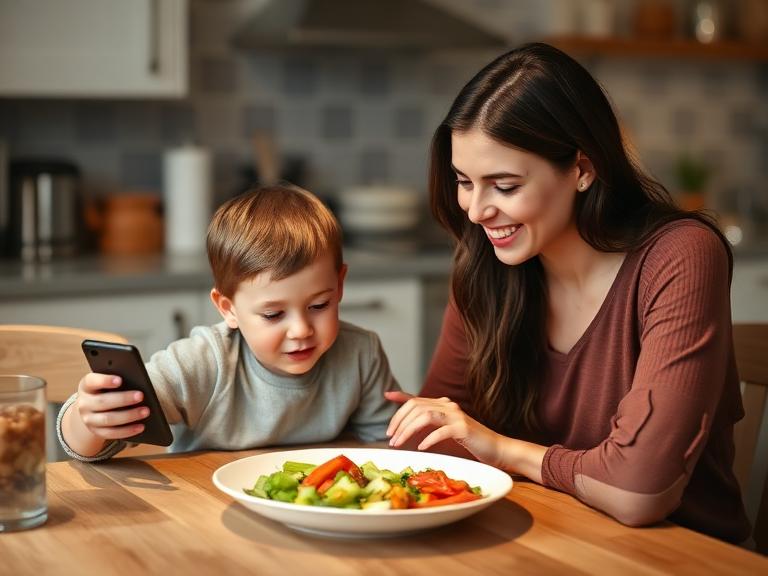
Healthy eating habits for kids are built through consistent routines, balanced meals, positive food environments, and role modeling from parents. Children learn nutrition habits by observing adults, experiencing structured meal times, and being exposed repeatedly to healthy food choices in a pressure-free environment.
Why Healthy Eating Habits for Kids Matter
Establishing healthy eating habits for kids is not just about weight or physical appearance. It plays a much deeper role in overall development.
Good nutrition helps children:
- Grow strong bones and muscles
- Improve brain development
- Strengthen immunity
- Maintain stable energy levels
- Improve focus and learning ability
- Support emotional regulation
Children who develop healthy eating habits for kids early in life are more likely to maintain balanced diets as adults.
Understanding How Children Develop Eating Habits
Children do not naturally choose food based on nutrition value. Instead, their habits are shaped by environment, exposure, and routine.
Key influences include:
- Family eating patterns
- Availability of food at home
- Emotional associations with food
- Advertising and media exposure
- School and peer habits
Repeated exposure is critical in building healthy eating habits for kids over time.
Quick Answer (Parent-Friendly Explanation)
To build healthy eating habits for kids, parents should focus on consistent meal routines, offering a variety of nutritious foods, modeling good eating behavior, and avoiding pressure or punishment around food. Children are more likely to develop long-term healthy eating habits for kids when food is presented in a calm, structured, and positive environment.
Core Principles of Healthy Eating Habits for Kids
1. Consistency Over Perfection
Children thrive on predictable routines.
Regular meal times help establish healthy eating habits for kids by regulating hunger and appetite.
2. Parents Are Role Models
Children copy what they see.
If parents eat balanced meals, children are more likely to develop healthy eating habits for kids naturally.
3. Exposure Builds Acceptance
Children may need multiple exposures to new foods before accepting them.
Repeated exposure is essential for healthy eating habits for kids development.
4. Pressure Reduces Healthy Eating
Forcing children to eat often backfires.
Positive, pressure-free environments support healthy eating habits for kids more effectively.
5. Balance, Not Restriction
No food should be treated as “bad” in extreme terms.
Balanced approaches help maintain healthy eating habits for kids long-term.
What Often Prevents Healthy Eating Habits for Kids
Understanding barriers helps parents improve outcomes.
1. Irregular Meal Schedules
Unpredictable eating times disrupt hunger signals.
2. Excessive Snacking
Frequent snacks reduce appetite for nutritious meals.
3. Screen Distractions During Meals
Screens interfere with mindful eating and reduce awareness.
4. Emotional Eating Habits
Using food as comfort can interfere with healthy eating habits for kids.
5. High Sugar Availability
Too much sugar can reduce interest in healthier foods.
Practical Ways to Build Healthy Eating Habits for Kids
1. Create Structured Meal Times
Set consistent times for:
- Breakfast
- Lunch
- Dinner
- Healthy snacks
Structure supports healthy eating habits for kids by regulating hunger patterns.
2. Offer Balanced Plates
Include:
- Fruits
- Vegetables
- Whole grains
- Protein sources
Balanced meals reinforce healthy eating habits for kids daily.
3. Introduce New Foods Gradually
Start with small portions of unfamiliar foods.
This approach supports long-term healthy eating habits for kids development.
4. Make Food Visually Appealing
Children are visual eaters.
Colorful plates encourage healthy eating habits for kids naturally.
5. Avoid Food Pressure
Instead of forcing:
- Encourage tasting
- Allow choice
- Respect fullness signals
This supports sustainable healthy habits for kids.
6. Eat Together as a Family
Family meals encourage better eating behavior.
Children learn healthy habits for kids through observation.
7. Limit Sugary Snacks at Home
Availability influences consumption.
Reducing sugary foods supports healthy habits for kids.
8. Involve Kids in Food Preparation
Children are more likely to eat foods they help prepare.
This builds interest in healthy habits for kids.

Common Challenges in Healthy Habits for Kids
Picky Eating
Very common in early childhood.
Food Refusal
Often linked to autonomy development.
Food Neophobia
Fear of new foods is normal in toddlers.
Inconsistent Appetite
Appetite changes are developmentally normal.
Understanding these challenges helps maintain healthy eating habits for kids without stress.
Age-Wise Healthy Habits for Kids
Toddlers
Focus on:
- Soft textures
- Simple meals
- Repeated exposure
Preschoolers
Introduce:
- Food variety
- Self-feeding
- Simple choices
School-Age Children
Encourage:
- Responsibility
- Healthy snack decisions
- Meal participation
Each stage supports healthy habits for kids differently.
Emotional Connection and Eating Habits
Food is often emotional for children.
Children may eat or refuse food based on:
- Mood
- Attention needs
- Comfort seeking
Supporting emotional awareness improves healthy habits for kids over time.
Role of Parents in Building Healthy Eating Habits for Kids
Parents influence eating behavior more than any external factor.
They shape:
- Food availability
- Mealtime structure
- Emotional tone around food
- Daily routines
Strong parental modeling strengthens healthy eating habits for kids consistently.
Modern Support Tools for Healthy Eating Habits for Kids
Today, many parents also use digital tools to support family routines and child behavior.
Some parenting support platforms like TinyPal help parents understand behavioral patterns around eating, emotional regulation, and daily routines. While not a nutrition app, it can assist parents in understanding how emotions, habits, and behavior influence.
Long-Term Benefits of Healthy Eating Habits for Kids
Children who develop good nutrition habits experience:
Better Physical Health
Stronger immunity and growth.
Improved Academic Performance
Better focus and concentration.
Stable Energy Levels
Reduced fatigue and mood swings.
Healthier Relationship with Food
Reduced risk of disordered eating later in life.
Mistakes Parents Should Avoid
Using Food as Reward or Punishment
This creates emotional associations with eating.
Forcing Children to Clean Plates
This can override natural hunger cues.
Labeling Children as “Picky”
Labels can reinforce behavior.
Comparing Children’s Eating Habits
Each child develops differently.
Avoiding these mistakes supports better outcomes.
Building a Positive Food Environment
A supportive environment includes:
- Calm mealtimes
- No distractions
- Encouragement without pressure
- Variety of food options
A positive environment strengthens healthy eating habits for kids over time.

Frequently Asked Questions
What are healthy eating habits for kids?
Healthy eating habits for kids include balanced meals, regular meal times, variety in food choices, and positive mealtime environments.
How do I encourage healthy eating habits for kids?
By modeling good behavior, offering variety, and maintaining consistent routines.
Why is my child a picky eater?
Picky eating is often a normal developmental stage.
How many times should kids try new food?
Children may need multiple exposures before accepting new foods.
Can I force my child to eat vegetables?
Forcing is not recommended as it may reduce interest in food.
What foods are best for kids?
Fruits, vegetables, whole grains, proteins, and healthy fats.
How do screens affect eating habits?
Screens can distract children and reduce mindful eating.
How important is breakfast?
Breakfast supports energy, focus, and learning.
Do rewards work for eating habits?
Food-based rewards are not recommended for long-term habits.
Can healthy eating improve behavior?
Balanced nutrition can support mood and attention regulation.
Conclusion
Developing healthy eating habits for kids is a gradual process that requires patience, consistency, and positive reinforcement. Children learn best through exposure, routine, and parental modeling rather than pressure or restriction.
When families create structured mealtimes, offer balanced nutrition, and maintain a positive food environment, children naturally develop lifelong healthy eating habits for kids that support their physical, emotional, and cognitive well-being.




Leave a Reply