
Table of Contents
Commercial EV Charging Solutions for Businesses: 2026 Strategy & Deployment Guide
Commercial electric vehicle (EV) charging infrastructure has shifted from an optional sustainability perk to a core business asset. Property managers, fleet operators, and corporate real estate executives face a changing landscape shaped by strict building code mandates, dynamic electricity demand charges, and rapidly expanding corporate zero-emission vehicle (ZEV) targets.
Deploying commercial EV charging solutions requires a balance of electrical engineering, network software architecture, user experience design, and financial modeling. Whether your goal is to monetize parking spaces, electrify a last-mile delivery fleet, or attract high-value office tenants, this guide provides the blueprint for launching a scalable, future-proof EV charging network.
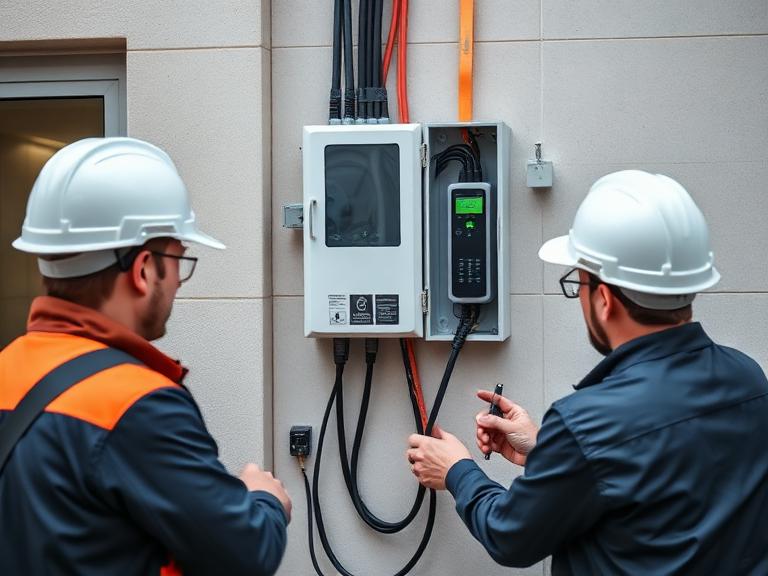
Strategic Value Drivers Across Commercial Property Types
                             ┌─────────────────────────────────────────┐
                             │    Commercial Property Enterprise Hub    │
                             └────────────────────┬────────────────────┘
                                                  │
         ┌─────────────────────────┬──────────────┴──────────────┬─────────────────────────┐
         │                         │                             │                         │
┌────────▼────────┐       ┌────────▼────────┐           ┌────────▼────────┐       ┌────────▼────────┐
│  Workplaces &   │       │   Retail &      │           │ Commercial      │       │ Hospitality &   │
│ Corporate Parks │       │ Shopping Centers│           │ Fleet Depots    │       │ Real Estate     │
├─────────────────┤       ├─────────────────┤           ├─────────────────┤       ├─────────────────┤
│ • Employee Perk │       │ • Increased Dwell│           │ • Lower TCO     │       │ • Guest Amenity │
│ • ESG Scorecard │       │   Time (+30-50m)│           │ • Operational   │       │ • Premium Room  │
│ • Talent Attract│       │ • On-Site Spend │           │   Uptime (99%+) │           Rates         │
│ • Fleet Depot   │       │ • Direct Retail │           │ • Schedule-Based│       │ • Event Venue   │
│   Integration   │       │   Monetization  │           │   Fast-Charging │           Attraction    │
└─────────────────┘       └─────────────────┘           └─────────────────┘       └─────────────────┘
The business case for installing commercial EV chargers depends heavily on your property’s primary use, typical vehicle dwell times, and audience.
1. Workplaces & Corporate Office Parks
- Primary Objective: Employee talent retention, return-to-office incentives, and Corporate Social Responsibility (CSR) reporting.
- Dwell Time: 6 to 9 hours.
- Optimal Solution: Dual-port AC Level 2 chargers (7.4 kW – 22 kW) equipped with Open Charge Point Protocol (OCPP) software to enable fair-use scheduling and dynamic load balancing.
2. Retail, Dining & Shopping Centers
- Primary Objective: Driving foot traffic, extending customer dwell times by 30–50 minutes, and generating direct charging revenue.
- Dwell Time: 30 minutes to 2 hours.
- Optimal Solution: A hybrid layout consisting of 80% Level 2 chargers for extended visits and 20% DC Fast Chargers (DCFC, 50 kW – 180 kW) for quick stops.
3. Commercial Fleets & Logistics Depots
- Primary Objective: Lowering Total Cost of Ownership (TCO), ensuring operational readiness, and meeting municipal clean-transit regulations.
- Dwell Time: Overnight (6–8 hours) or rapid mid-shift top-ups (15–45 minutes).
- Optimal Solution: High-power DC Ultra-Fast chargers (120 kW – 360+ kW) paired with Automated Energy Management Systems (AEMS) and vehicle-to-grid (V2G) ready architectures.
4. Hospitality & Multi-Family Residential Properties
- Primary Objective: Elevating property market value, charging premium overnight parking fees, and improving tenant retention.
- Dwell Time: 8 to 14 hours.
- Optimal Solution: Scalable wall-mounted AC charging units with integrated credit card readers and resident/guest authorization systems.
Hardware Classification & Engineering Specifications
Selecting the right EV charging hardware requires matching the charging equipment’s physical capacities to vehicle battery architecture and building power supplies.
| Hardware Specification | AC Level 2 (Standard Commercial) | AC Fast / High-Power Level 2 | DC Fast Charger (DCFC) | DC Ultra-Fast / Megawatt |
| Input Voltage | 208V / 240V Single Phase | 400V / 480V 3-Phase | 480V 3-Phase | 480V – 800V 3-Phase |
| Power Output Range | 7.2 kW – 19.2 kW | 22 kW | 50 kW – 180 kW | 240 kW – 400 kW+ |
| Miles Range Added / Hour | 25 – 50 miles | 60 – 80 miles | 150 – 400 miles | 600+ miles (10-80% in 15 mins) |
| Primary Connector Type | SAE J1772, NACS (SAE J3400), Type 2 | J1772, NACS, Type 2 | CCS Combo 1/2, NACS | CCS2, NACS, MCS (Megawatt) |
| Typical Turnkey Unit Cost | $1,500 – $4,500 per port | $3,000 – $6,000 per port | $25,000 – $65,000 per unit | $80,000 – $180,000+ per unit |
| Target Dwell Time | 4 to 8+ Hours | 2 to 4 Hours | 30 to 60 Minutes | 10 to 20 Minutes |
Step-by-Step Implementation Framework
Executing a commercial EV charging installation demands a structured process to prevent cost overruns and delays in grid interconnection.
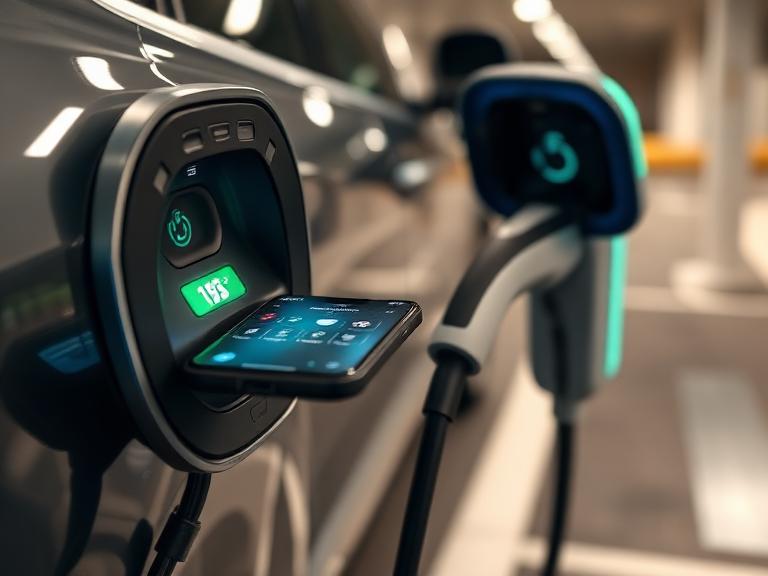
Software Infrastructure: Network Management & Smart Energy Distribution
Hardware represents only half of the solution; the software management platform acts as the brain of your commercial charging station network.
                 ┌─────────────────────────────────────────────────────────┐
                 │    Cloud Charge Point Management System (CPMS)         │
                 └────────────────────────────┬────────────────────────────┘
                                              │
           ┌──────────────────────────────────┼──────────────────────────────────┐
           │                                  │                                  │
┌──────────▼───────────┐           ┌──────────▼───────────┐           ┌──────────▼───────────┐
│   Energy & Grid      │           │  Monetization &      │           │  Maintenance &       │
│   Optimization       │           │  Tariff Engines      │           │  Diagnostic Systems  │
├──────────────────────┤           ├──────────────────────┤           ├──────────────────────┤
│ • Dynamic Load Share │           │ • Per-kWh / Time-Based│           │ • Remote Soft Resets │
│ • Peak Shaving Control│           │ • Driver Subscriptions│          │ • Automated Alerts   │
│ • Solar/Battery Sync │           │ • Custom Corporate   │           │ • Firmware Over-Air  │
│ • V2G / V2X Routing  │           │   Access Tiers       │           │ • Uptime Tracker 99% │
└──────────────────────┘           └──────────────────────┘           └──────────────────────┘
Key Software Capabilities
- Open Charge Point Protocol (OCPP Compliance):Demanding OCPP 1.6-J or OCPP 2.0.1 compliance guarantees interoperability. It prevents vendor lock-in, allowing you to change software management vendors in the future without replacing your physical chargers.
- Dynamic Load Management (DLM) & Peak Shaving:Commercial utility tariffs often include high demand charges based on peak electricity usage. DLM software automatically redistributes power across charging ports in real time based on building demand, staying within safe transformer limits and avoiding high demand fees.
- Multi-Tiered Monetization Engine:Modern software platforms give site operators control over pricing models:
- Flat-rate or Per-kWh Tariffs: Charge users directly for energy consumed.
- Time-of-Use (TOU) Rates: Automatically adjust pricing during peak grid hours to encourage off-peak charging.
- Idle Fees: Charge a fee per minute if a vehicle remains parked in a charging bay after completing its charge cycle, encouraging driver turnover.
- Access Groups: Offer free or discounted charging to employees while applying full commercial rates to visitors.
Financial Analysis & ROI Modeling
Investing in EV charging infrastructure involves balancing capital expenditure (CapEx) with ongoing operating expenditure (OpEx).
Capital Expenditure (CapEx) Breakdown
| Cost Component | Percentage of Total Project Cost | Description / Inclusions |
| EV Charger Hardware | 35% – 45% | Charging posts, mounting pedestals, cable management retractor systems. |
| Electrical Infrastructure | 20% – 30% | Panel upgrades, step-down transformers, conduits, heavy-duty cabling. |
| Civil Works & Site Prep | 15% – 20% | Trenching, directional drilling, asphalt patching, concrete pads, painting, bollards. |
| Software Setup & Licensing | 3% – 6% | First-year network initialization, SIM cards, API connections. |
| Permits, Legal & Engineering | 5% – 10% | Professional electrical engineering stamps, city permits, utility interconnections. |
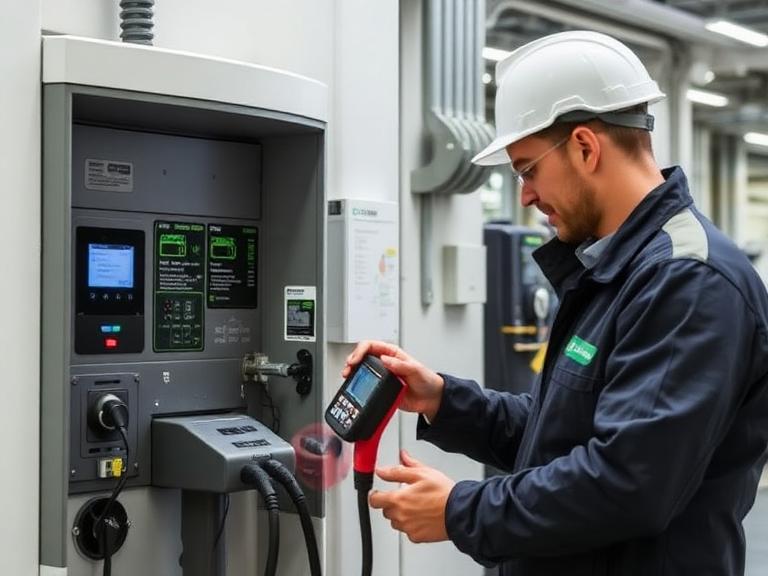
Financial Performance Model: 6 x Dual-Port Commercial Level 2 (12 Charging Ports)
- Initial CapEx Investment: $48,000 (Hardware + Installation + Electrical Upgrades)
- Government Subsidies / Utility Rebates: -$14,400 (Assumes a 30% average incentive)
- Net Upfront Investment: $33,600
Average Daily Utilization Rate: 4.5 hours per port per day
Total Annual Energy Delivered: ~118,260 kWh

Commercial Electricity Supply Cost: $0.12 / kWh
Charging Tariff Billed to Drivers: $0.32 / kWh
Net Margin per kWh: $0.20 / kWh

Annual Gross Revenue: $37,843
Annual Operating Overhead (Network Fees, Maintenance, Processing): -$4,800
Annual Net Operating Income (NOI): $33,043

Estimated Payback Period: ~12.2 Months
5-Year Projected Internal Rate of Return (IRR): ~34%
Comprehensive Frequently Asked Questions (15 Key FAQs)
Q1: What is the average turnkey installation cost for commercial EV chargers?
Answer: Turnkey installation costs for commercial Level 2 charging stations typically range from $3,000 to $7,500 per charging port. For DC Fast Charging (DCFC) stations, total turnkey costs range between $35,000 and $120,000+ per port, depending on existing transformer capacity, necessary trenching distances, and panel upgrades. Subsidies and utility rebates can often offset 30% to 80% of these upfront installation expenses.
Q2: How do businesses generate direct revenue from commercial EV chargers?
Answer: Businesses can set up flexible pricing models using cloud management software. Revenue can be generated through:
- Per-Kilowatt-Hour (kWh) Fees: Charging drivers directly for the electricity consumed.
- Time-Based Fees: Charging per hour parked to encourage driver turnover.
- Monthly Memberships: Offering corporate subscriptions or tenant access packages.
- Idle Space Penalties: Applying per-minute fees after charging completes to maximize bay utilization.
Q3: Should my business install Level 2 chargers or DC Fast Chargers?
Answer: The choice depends on average customer dwell times:
- Install Level 2 (7.4 kW – 22 kW) if vehicles typically park for 3+ hours (e.g., workplaces, hotels, multi-family housing, long-term parking).
- Install DC Fast Chargers (50 kW – 180 kW+) if vehicles park for less than 60 minutes (e.g., highway plazas, convenience stores, gas stations, last-mile commercial fleets).
Q4: What are electricity demand charges, and how do they impact operational costs?
Answer: Demand charges are fees commercial utilities bill based on the highest amount of electrical power drawn during a single short window (usually 15 minutes) within a billing cycle. Unmanaged DC fast charging can trigger high peak demand charges. Businesses can mitigate these fees by using software with Dynamic Load Management (DLM) and battery energy storage systems (BESS).
Q5: What electrical infrastructure upgrades are required before installation?
Answer: Standard installations require an evaluation of your main electrical panel capacity, transformer headroom, and dedicated circuit breaker availability. Level 2 hardware typically needs 208V/240V dedicated 40A–80A circuits, whereas DC Fast Chargers require high-capacity 480V 3-phase power connections. If the existing panel lacks capacity, installing a sub-panel or upgrading the utility step-down transformer may be required.
Q6: What is OCPP, and why is it important for businesses?
Answer: Open Charge Point Protocol (OCPP) is the industry-standard open communication framework connecting EV charger hardware to back-end cloud software. Choosing OCPP-compliant hardware ensures you avoid vendor lock-in. If your network provider changes pricing or discontinues service, you can migrate your existing hardware to another software vendor without replacing the chargers.
Q7: Can we restrict access to our company EV chargers to employees only?
Answer: Yes. Cloud-based management systems offer flexible access controls, including RFID cards, private mobile app activation, and single-sign-on (SSO) integrations. You can restrict usage to employees during business hours, open stations to the public after hours, or offer discounted rates to employees while charging visitors full commercial fees.
Q8: How long does a typical commercial EV charging installation project take?
Answer: A standard commercial Level 2 project typically takes 8 to 12 weeks from site audit to final commissioning. High-power DC Fast Charger deployments requiring utility transformer upgrades and complex local permitting can take 16 to 36 weeks.
Q9: What tax credits, subsidies, and incentives can offset commercial deployment costs?
Answer: Commercial EV infrastructure investments may qualify for several incentives:
- Federal Tax Credits: Tax credits like the US 30C Alternative Fuel Infrastructure Credit can cover up to 30% of installation costs (capped at $100,000 per port) in eligible areas.
- Utility Make-Ready Rebates: Many electric utilities offer grants covering up to 100% of the electrical panels, conduits, and trenching costs needed to make sites EV-ready.
- State & Regional Grants: Local air quality districts and energy agencies frequently offer direct equipment rebates.
Q10: How do EV chargers withstand weather and prevent vandalism in outdoor lots?
Answer: Commercial-grade EV hardware is built for outdoor reliability, featuring weatherproof enclosures rated NEMA 3R / NEMA 4X or IP65/IP66. Vandalism protection includes IK10 impact-resistant housings, heavy-duty armored cables, retractable cable management systems, and tamper sensors that alert site operators to physical disturbances.
Q11: What ongoing maintenance is required for commercial EV charging stations?
Answer: Regular maintenance includes checking charging cables and connectors for physical damage, keeping cooling vents clear on high-power DC units, updating software over-the-air (OTA), and testing residual current devices (RCD). Partnering with providers offering guaranteed SLA maintenance contracts helps ensure 98%+ network uptime.
Q12: How can commercial fleet managers optimize fleet charging schedules?
Answer: Fleet operators can use software that syncs telematics data with route schedules and utility rate schedules. Automated systems charge vehicles when electricity tariffs are lowest (off-peak) while prioritizing vehicles scheduled for early morning routes, ensuring every vehicle is charged on time at the lowest energy cost.
Q13: Will offering free charging bring measurable business benefits?
Answer: Offering free charging can serve as a strategic marketing tool. For retail businesses, the cost of free charging is often offset by increased customer dwell times and higher average store spend. Employers also use free or subsidized charging as a high-value workplace amenity to support talent acquisition and return-to-office incentives.
Q14: What is Vehicle-to-Grid (V2G) technology, and is it ready for enterprise deployment?
Answer: Vehicle-to-Grid (V2G) allows bidirectional EV chargers to feed excess battery energy back into the building or public grid during peak demand times, providing backup power or generating energy credit revenue. Bidirectional chargers and compatible fleet vehicles allow commercial sites to function as microgrids, lowering peak building energy demand.
Q15: How many charging ports should my commercial facility install initially?
Answer: A solid guideline for commercial office buildings is to electrify 5% to 10% of total parking spaces, ensuring the electrical layout includes conduits to scale to 20%+ capacity as adoption grows without requiring new trenching. For commercial retail, starting with 4 to 8 Level 2 ports and 2 DC Fast Charging bays provides immediate capacity while leaving space for future expansion.

Leave a Reply