
Table of Contents
EV Charger Installation Cost Breakdown (2026 Comprehensive Guide)
Calculating the true EV charger installation cost requires analyzing multiple interconnected project variables. A common mistake made by property managers, fleet operators, and homeowners is assuming that the hardware purchase price represents the bulk of the project expenditure. In reality, physical hardware often accounts for less than 40% of the total capital outlay on commercial installations and as little as 25% on high-power DC fast-charging projects.
┌─────────────────────────────────────────────────────────────────────────────┐
│                     TOTAL COST ALLOCATION STRUCTURE                         │
├─────────────────────────────────────────────────────────────────────────────┤
│  RESIDENTIAL LEVEL 2 ($1,500 AVG)                                           │
│  [ Hardware: 40% ]  [ Labor & Wire: 45% ]  [ Permit & Misc: 15% ]           │
│                                                                             │
│  COMMERCIAL LEVEL 2 DUAL-PORT ($8,000 AVG)                                  │
│  [ Hardware: 35% ]  [ Electrical & Trenching: 45% ]  [ Soft Costs/App: 20% ] │
│                                                                             │
│  COMMERCIAL DC FAST CHARGER 150kW ($150,000 AVG)                             │
│  [ Hardware: 40% ]  [ Grid Transformer/Switchgear: 35% ] [ Civil/Labor: 25% ] │
└─────────────────────────────────────────────────────────────────────────────┘
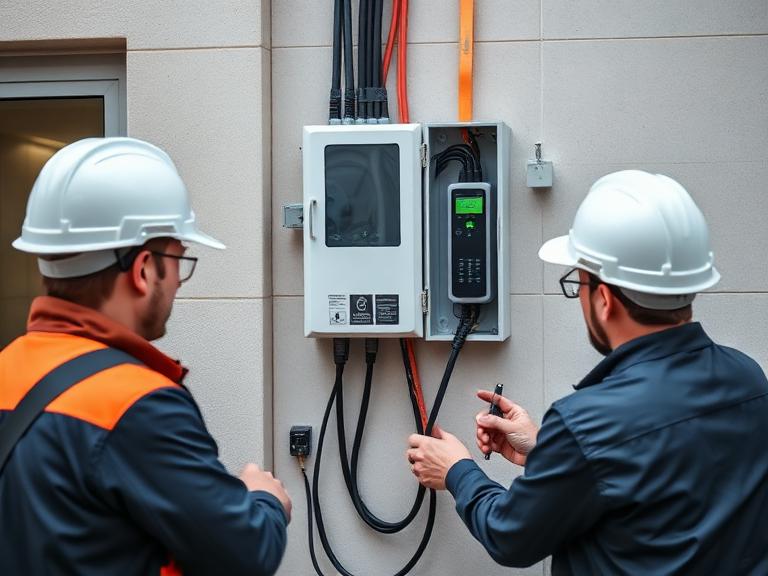
The true project expenditure is dictated by electrical capacity, distance from distribution panels, civil site conditions, regulatory permitting, and utility grid readiness. This comprehensive engineering guide breaks down installation costs across residential, commercial, multi-family, and enterprise fleet deployments.
1. Global Cost Benchmarks by Charging Level & Environment
To establish realistic budgeting expectations, installation projects are categorized into three primary performance tiers based on power delivery, electrical current, and operational complexity:
                          CHARGING LEVEL SPECTRUM
                                     │
     ┌───────────────────────────────┼───────────────────────────────┐
     ▼                               ▼                               ▼
[ Level 1 AC ]              [ Level 2 AC ]                [ Level 3 DCFC ]
 • 1.2kW - 1.9kW            • 3.7kW - 19.2kW               • 50kW - 350kW+
 • 120V 1-Phase             • 208V-240V 1-Ph / 400V 3-Ph    • 480V 3-Phase
 • Cost: $100 - $300        • Cost: $750 - $12,000         • Cost: $50,000 - $250k+
| Charging Tier | Power Output | Hardware Cost Range | Installation Labor & Civil Cost | Total Turnkey Cost Range | Typical Target Use Case |
| Residential Level 1 | 1.2 kW – 1.9 kW AC | $0 – $200 (included with EV) | $0 – $300 (Standard 120V 15A socket) | $100 – $500 | Low-mileage home overnight plug-in |
| Residential Level 2 | 7.6 kW – 11.5 kW AC | $350 – $900 | $400 – $1,800 (dedicated 240V line) | $750 – $2,700 | Dedicated single-family garage wallbox |
| Commercial Level 2 (Single Port) | 7.6 kW – 19.2 kW AC | $1,200 – $3,500 | $1,800 – $5,000 (pedestal, sub-panel) | $3,000 – $8,500 | Workplace, hotel, retail destination |
| Commercial Level 2 (Dual Port) | 7.6 kW – 19.2 kW AC | $3,000 – $7,000 | $3,000 – $9,000 (bollards, concrete) | $6,000 – $16,000 | Multi-dwelling units, public parking |
| Mid-Power DCFC | 50 kW – 100 kW DC | $20,000 – $45,000 | $25,000 – $60,000 (480V service, pad) | $45,000 – $105,000 | Commercial fleet depots, retail plazas |
| Ultra-Fast DCFC | 150 kW – 350 kW+ DC | $60,000 – $160,000 | $60,000 – $180,000 (transformer, liquid cable) | $120,000 – $340,000+ | Highway express corridors, transit hubs |
2. Granular Itemized Cost Breakdown: Residential Level 2 Installation
Installing a Level 2 AC wallbox charger (7.6 kW to 11.5 kW) in a single-family home garage or driveway is the most common EVSE installation project.
                   RESIDENTIAL LEVEL 2 WIRING ARCHITECTURE
┌─────────────────────────────────────────────────────────────────────────────┐
│  Main Service Panel (200A Recommended)                                      │
│     │                                                                       │
│     ├── Dedicated 2-Pole 50A/60A Circuit Breaker ($30 - $70)                │
│     │                                                                       │
│     └── Conductor Wire: 6/3 AWG Copper in THHN/THWN or MC Conduit           │
│            │                                                                │
│            ├── Short Run (< 15 ft): $150 - $400 Labor                       │
│            └── Long Run (> 50 ft): $500 - $1,200 Labor                      │
│                   │                                                         │
│                   v                                                         │
│         Hardwired AC Wallbox ($400 - $800 Hardware)                         │
└─────────────────────────────────────────────────────────────────────────────┘
Itemized Residential Cost Breakdown Table
| Installation Component | Low-End Estimate (Short Run) | Average Estimate (Standard Run) | High-End Estimate (Panel Upgrade/Long Run) |
| EVSE Hardware Unit (7.4 kW – 11.5 kW Smart Wallbox) | $350 | $550 | $850 |
| Certified Electrician Labor (2 to 5 hours) | $250 | $500 | $1,200 |
| Dedicated Breaker & Electrical Materials (Conduit, THHN Wire) | $75 | $200 | $550 |
| Main Service Panel Upgrade (100A to 200A expansion) | $0 (Not required) | $0 (Not required) | $2,200 |
| Municipal Permitting & Filing Fees | $50 | $125 | $300 |
| Total Out-of-Pocket Project Cost | $725 | $1,375 | $5,100 |
Key Residential Cost Factors
- Distance to Main Electrical Panel: Wire and conduit represent significant material expenses. Running 6 AWG or 4 AWG copper wire through flexible or rigid conduit costs roughly $6 to $12 per linear foot in materials alone, plus labor. A charger mounted adjacent to the panel costs significantly less to wire than a charger installed 75 feet away on an exterior detached garage wall.
- Main Service Panel Capacity: Under National Electrical Code (NEC Article 625) 125% continuous load mandates, a 48-Amp Level 2 charger requires a dedicated 60-Amp circuit breaker. If the home’s main panel is rated for 100 Amps and runs central AC, an electric stove, and a clothes dryer, the panel will lack available capacity. Replacing a 100A panel with a modern 200A service panel adds $1,800 to $3,500 to the total invoice.
- Hardwired vs. Plug-In Receptacle Installation: Installing a hardwired wallbox is generally cheaper than installing a plug-in 240V NEMA 14-50 receptacle setup. Plug-in installations require a heavy-duty industrial-grade NEMA 14-50 outlet ($70–$120) paired with a specialized 240V GFCI circuit breaker ($90–$150) to satisfy code, whereas hardwired units utilize standard breakers and build ground fault protection directly into the charger firmware.
3. Commercial Level 2 Installation Costs (Workplace, Retail & MDUs)
Deploying commercial Level 2 charging stations across workplace campuses, multi-dwelling units (apartments/condos), and retail spaces requires robust commercial-grade hardware, subterranean trenching, access control, and software integrations.
┌─────────────────────────────────────────────────────────────────────────────┐
│                 COMMERCIAL LEVEL 2 INFRASTRUCTURE SCHEMATIC                 │
├─────────────────────────────────────────────────────────────────────────────┤
│  Main 480V/208V Commercial Switchboard                                      │
│     │                                                                       │
│     v                                                                       │
│  Dedicated EV Sub-Panel (200A - 400A Three-Phase)                           │
│     │                                                                       │
│     ├── Core Drilling & Subterranean Trenching ($50 - $150 / linear ft)     │
│     │                                                                       │
│     v                                                                       │
│  Reinforced Concrete Pad / Pedestal Mounting Base                           │
│     │                                                                       │
│     ├── Powder-Coated Steel Safety Bollards ($300 - $600 per stall)         │
│     │                                                                       │
│     v                                                                       │
│  Dual-Port Commercial Level 2 Charger (OCPP + RFID + Credit Card Reader)    │
└─────────────────────────────────────────────────────────────────────────────┘
Commercial Level 2 Budgeting Table (Dual-Port Pedestal Station)
| Commercial Project Component | Budget Allocation per Stall | Expense Percentage | Technical Description |
| Commercial Hardware | $3,500 – $6,500 | 38% | Dual-port OCPP 2.0.1 smart charger, dual cable retractors, credit card POS reader |
| Electrical Sub-Panel & Switchgear | $1,200 – $3,000 | 18% | Dedicated 208V/240V 200A commercial sub-panel, conduit, feeders |
| Civil Trenching & Paving | $1,500 – $4,500 | 22% | Sawcutting asphalt, trenching 24″ deep, PVC Schedule 80 conduit, repaving |
| Concrete Pads & Safety Bollards | $600 – $1,200 | 8% | Pouring concrete mounting pad, mounting twin core-drilled steel bollards |
| Electrical Labor & ADA Marking | $1,000 – $2,500 | 10% | Journeyman electrician labor, ADA accessible stall painting and signage |
| Soft Costs, Permits & Network Sync | $500 – $1,200 | 4% | Engineering stamp, municipal permits, cellular CSMS onboarding |
| Total Estimated Turnkey Budget | $8,300 – $18,900 | 100% | Turnkey cost per dual-port installation ($4,150 – $9,450 per port) |
4. High-Power Level 3 DC Fast Charger (DCFC) Installation Costs
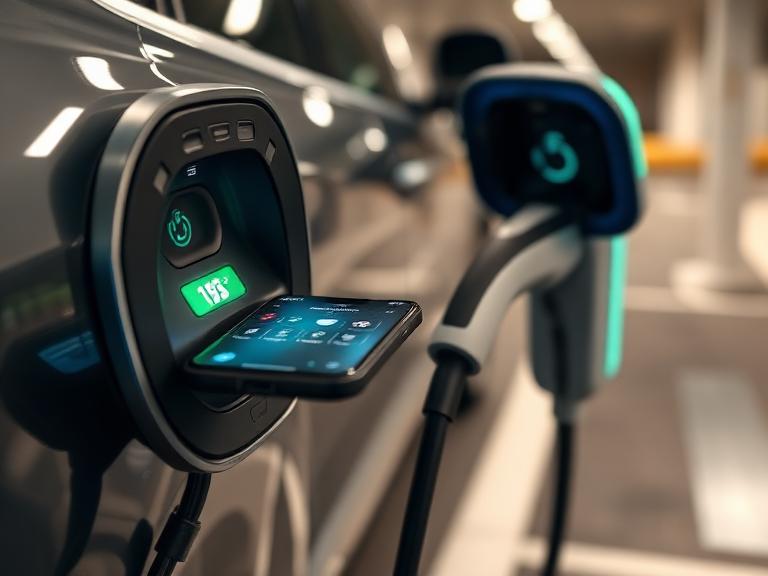
DC Fast Chargers (50 kW to 350 kW+) bypass vehicle onboard chargers to deliver direct high-voltage current straight to the traction battery. Due to massive power demands, DCFC projects represent major civil and electrical engineering infrastructure buildouts.
               HIGH-POWER DC FAST CHARGING (DCFC) INFRASTRUCTURE
┌─────────────────────────────────────────────────────────────────────────────┐
│  Utility 11kV / 13.8kV Medium-Voltage Feed                                  │
│     │                                                                       │
│     v                                                                       │
│  Pad-Mounted Step-Down Transformer (500kVA - 1500kVA)                        │
│     │                                                                       │
│     v                                                                       │
│  Main 480V 3-Phase Switchgear & Metering Kiosk (800A - 2000A Busbar)        │
│     │                                                                       │
│     v                                                                       │
│  Central DC Power Cabinet (Modular Rectifiers)                              │
│     │                                                                       │
│     v                                                                       │
│  Liquid-Cooled Dispenser Posts with NACS/CCS2 Cables                        │
└─────────────────────────────────────────────────────────────────────────────┘
Turnkey DC Fast Charger Cost Matrix by Output Capacity
| Engineering Component | 50 kW DC Fast Charger | 150 kW DC Fast Charger | 350 kW Ultra-Fast Charger |
| Dispenser & Cabinet Hardware | $22,000 – $35,000 | $55,000 – $85,000 | $110,000 – $165,000 |
| Pad-Mounted Transformer & Grid | $12,000 – $25,000 | $25,000 – $55,000 | $50,000 – $110,000 |
| 480V 3-Phase Commercial Switchgear | $6,000 – $14,000 | $15,000 – $30,000 | $30,000 – $60,000 |
| Civil Trenching & Heavy Concrete | $8,000 – $18,000 | $15,000 – $35,000 | $25,000 – $55,000 |
| High-Amperage Cabling & Cooling | $4,000 – $8,000 | $8,000 – $18,000 | $18,000 – $35,000 (Liquid-cooled) |
| Engineering, Utility & Permitting | $5,000 – $12,000 | $10,000 – $22,000 | $18,000 – $35,000 |
| Total Turnkey Installation Budget | $57,000 – $112,000 | $128,000 – $245,000 | $251,000 – $490,000+ |
5. Major Engineering Cost Drivers & Variable Factors
Understanding cost drivers allows project engineers to optimize site designs and minimize budget overruns.
┌─────────────────────────────────────────────────────────────────────────────┐
│                    EVSE INSTALLATION COST DRIVERS RADAR                     │
├─────────────────────────────────────────────────────────────────────────────┤
│  [1] Distance to Panel      - Wire/conduit runs cost $15 - $150 / lin ft.   │
│  [2] Grid Readiness         - Utility step-down transformer required?       │
│  [3] Trenching Surface      - Unpaved dirt vs sawcutting reinforced concrete│
│  [4] Peak Load Control      - Static panel capacity vs Dynamic Load System  │
│  [5] ADA & Code Compliance  - Dedicated accessible parking paths & striping  │
└─────────────────────────────────────────────────────────────────────────────┘
Driver 1: Distance and Physical Conduit Routing
The distance from the main electrical distribution point to the charging stall is often the largest variable in civil costs.
- Surface Dirt Trenching: $15 to $45 per linear foot.
- Asphalt Sawcutting & Repaving: $50 to $95 per linear foot.
- Reinforced Concrete Sawcutting & Core Drilling: $90 to $160 per linear foot.
Driver 2: Utility Grid Readiness & “Make-Ready” Scope
If a commercial site lacks sufficient power capacity, the local electric utility must perform a grid capacity assessment. Installing a dedicated pad-mounted step-down transformer (e.g., converting 13.8kV utility lines to 480V 3-phase) adds $25,000 to $100,000+ in infrastructure costs and can extend project lead times by 3 to 9 months.
Driver 3: Dynamic Load Management (DLM) Savings
Deploying intelligent software-driven Dynamic Load Management (DLM) allows property owners to avoid massive capital expenditures.
Engineering Principle: Rather than sizing electrical infrastructure for maximum theoretical peak load (e.g., sizing a panel for 20 chargers running simultaneously at 32A = 640A), a DLM system monitors main building power usage in real time. During peak building operating hours, DLM automatically throttles charger output. Overnight, as building electricity demand drops, DLM ramps charger speeds back up. This intelligent control can save $20,000 to $80,000 in panel and transformer upgrade costs.
6. Project Timeline: Turnkey Implementation Sequence
The installation timeline depends heavily on utility queues and municipal permitting turnaround times.
1.Site Survey, Feasibility & Electrical Engineering:Weeks 1-3.
Engineers conduct on-site electrical panel capacity audits, measure ground impedance, perform soil trenching surveys, calculate voltage drops, and draft Single-Line Diagrams (SLDs).
2.Utility Interconnection Review & Municipal Permitting:Weeks 4-10.
Submit engineering plans to the municipal building department (AHJ) for electrical permits and file service enhancement requests with the local electric distribution utility.
3.Civil Construction, Trenching & Concrete Works:Weeks 11-14.
Crews execute asphalt sawcutting, excavation, subterranean Schedule 80 PVC conduit placement, concrete mounting pad pouring, and protective bollard installation.
4.Electrical Wiring, Sub-Panels & Hardware Mounting:Weeks 15-17.
Electricians pull heavy-gauge copper/aluminum feeders, mount sub-panels and circuit breakers, establish chemical earthing pits, and secure charging cabinets onto concrete pads.
5.Testing, Commissioning & Software Onboarding:Weeks 18-20.
Perform insulation resistance tests, verify ground fault circuit interrupters (GFCI), test OCPP 2.0.1 cellular communication, execute live vehicle charging tests, and secure final inspector sign-off.
7. Operational & Recurring OpEx Costs
In addition to initial capital expenditure (CapEx), project plans must account for ongoing operational expenditure (OpEx) over a 10-year asset lifecycle.
                   10-YEAR LIFECYCLE COST (OPEX VS CAPEX)
┌─────────────────────────────────────────────────────────────────────────────┐
│ Initial CapEx (Turnkey Setup): ~ 65% of Total 10-Year Outlay                │
├─────────────────────────────────────────────────────────────────────────────┤
│ Recurring OpEx (10-Year Cumulative): ~ 35% of Total 10-Year Outlay          │
│  • Software Subscriptions (CSMS Network): $200 - $1,200 / yr                │
│  • Preventive Maintenance Agreements (O&M SLAs): $300 - $1,500 / yr         │
│  • Cellular Gateway Data Plans: $120 - $240 / yr                            │
│  • Utility Demand Charges (DC Fast Charging): Variable ($10 - $35 / kW / mo)│
└─────────────────────────────────────────────────────────────────────────────┘
Recurring OpEx Breakdown Table
| Operational Cost Component | Residential Level 2 | Commercial Level 2 (Dual Port) | High-Power DCFC (150kW) |
| Network Software Subscription (CSMS) | $0 (Basic App) | $200 – $450 / port / year | $800 – $1,800 / dispenser / year |
| Cellular Gateway Connectivity | $0 (Home Wi-Fi) | $120 – $240 / station / year | $120 – $300 / station / year |
| Preventive Maintenance (O&M SLA) | $0 (Self-monitored) | $250 – $600 / station / year | $1,200 – $3,500 / station / year |
| Utility Demand Charges | $0 (Residential Tariff) | $0 – Low (Single-phase AC) | $500 – $3,500+ / month (Peak kW) |
| Payment Gateway Processing Fees | $0 | 2.5% – 4.5% per transaction | 2.5% – 4.5% per transaction |
8. Incentives, Rebates, and Tax Credits (Off-Setting Setup Costs)
Governments and electric utilities actively offer financial incentives to accelerate EV infrastructure deployment, dramatically reducing net installation costs.
                         INCENTIVE STACKING MODEL
┌─────────────────────────────────────────────────────────────────────────────┐
│ Gross Project Installation Cost: $100,000 (DCFC Station)                    │
├─────────────────────────────────────────────────────────────────────────────┤
│  [-] Utility "Make-Ready" Infrastructure Program: -$40,000 (40% Coverage)    │
│  [-] Federal Section 30C Tax Credit (30% Net): -$18,000                     │
│  [-] State Clean Vehicle Infrastructure Grant: -$15,000                     │
├─────────────────────────────────────────────────────────────────────────────┤
│ Net Out-of-Pocket Owner Investment: $27,000 (73% Total Cost Reduction)      │
└─────────────────────────────────────────────────────────────────────────────┘
- US Federal Section 30C Tax Credit: Offers a tax credit up to 30% of total installation costs (up to $1,000 for residential installations and up to $100,000 for commercial deployments located in eligible low-income or non-urban census tracts that satisfy prevailing wage rules).
- Utility “Make-Ready” Rebate Programs: Major utilities fund or build the underlying electrical infrastructure (transformers, trenching, conduit, switchgear), reducing commercial project costs by 50% to 100% up to the charger stub.
- State & Regional Clean Air Grants: Local grants (such as CALVIP in California or regional air district grants) offer direct cash rebates ranging from $4,000 per Level 2 port up to $80,000+ per DC fast charger.
9. Frequently Asked Questions (15 Detailed FAQs)
Q1: How much does it cost to install a home Level 2 EV charger?
The average total cost to install a residential Level 2 EV charger ranges from $750 to $2,500. This includes $350 to $800 for the charger hardware (7.4 kW to 11.5 kW smart wallbox) and $400 to $1,700 for electrician labor, dedicated circuit wiring, breaker, and permitting. If a 100A-to-200A main service panel upgrade is needed, it adds $1,800 to $3,500.
Q2: What is the cost of installing a commercial Level 2 EV charger for businesses or apartments?
Installing a dual-port commercial Level 2 charging station costs between $6,000 and $18,000 per station ($3,000 to $9,000 per port). Hardware accounts for $3,500 to $6,500, while electrical work, concrete bollards, trenching, sub-panels, and software commissioning make up the remaining costs.
Q3: How much does a commercial DC Fast Charger (DCFC) installation cost?
A turnkey DC Fast Charger installation ranges from $50,000 to over $250,000 per charger. A 50kW to 100kW DC fast charger averages $50,000 to $105,000 all-in, whereas high-power 150kW to 350kW+ ultra-fast charging units cost $120,000 to $350,000+ per dispenser due to liquid-cooled cabling, 480V 3-phase switchgear, pad-mounted transformers, and utility interconnect upgrades.
Q4: What are the primary cost variables in an EV charger installation project?
Key cost drivers include: (1) Charger output capacity (3.7 kW AC vs 350 kW DC), (2) Distance between the main electrical panel and the charger location, (3) Need for electrical panel or utility transformer upgrades, (4) Civil construction requirements (asphalt sawcutting, trenching, repaving, bollards), (5) Permitting and utility interconnection fees, and (6) Software network commissioning.
Q5: Does an EV charger require a dedicated electrical panel upgrade?
A panel upgrade is required if your existing electrical service lacks the spare load capacity required under National Electrical Code (NEC Article 625) 125% continuous load rules. Homes with older 60A or 100A panels running central AC and electric appliances generally require an upgrade to a 200A service panel ($1,800–$3,500). Alternatively, smart Dynamic Load Management (DLM) devices can avoid panel upgrades by throttling charging during peak household usage.
Q6: What is the labor rate for a certified EV charger installer?
Licensed, EVITP-certified electricians charge between $75 and $175 per hour depending on geographic region and project complexity. Commercial high-voltage projects requiring specialized engineering, utility coordination, and medium-voltage switchgear work command higher billing rates ($150 to $250+ per hour).
Q7: How much does trenching cost for ground-mounted EV chargers?
Trenching for subterranean conduit runs costs between $15 and $45 per linear foot in unpaved dirt/lawn conditions. Sawcutting through asphalt or concrete, trenching, laying Schedule 80 PVC conduit, backfilling, and repaving increases trenching costs to $50 to $150 per linear foot.
Q8: What incentives, rebates, or tax credits offset EV charger installation costs?
The US Federal Section 30C Alternative Fuel Refueling Property Credit provides up to 30% off total installation costs (up to $1,000 for residential and $100,000 for commercial installations meeting prevailing wage rules). Local electric utilities also offer “Make-Ready” programs covering 50% to 100% of electrical infrastructure upgrade costs.
Q9: What is the cost difference between hardwired and plug-in EV chargers?
Hardwired installations cost approximately $100 to $300 less in hardware accessories because they eliminate the need for an expensive 240V heavy-duty receptacle (NEMA 14-50 / IEC 60309) and a dedicated 240V GFCI circuit breaker. Hardwiring also supports higher continuous power (up to 48A–80A on AC) compared to plug-in outlets capped at 40A or 32A.
Q10: How much does ongoing software and maintenance cost for commercial EV chargers?
Commercial OCPP software management subscriptions range from $150 to $450 per port annually for Level 2 chargers and $800 to $1,800 per dispenser annually for DC fast chargers. Preventive maintenance agreements (O&M SLAs) cost an additional $300 to $1,500 per charger per year.
Q11: What is a “Make-Ready” installation cost?
A “Make-Ready” cost includes all electrical and civil infrastructure up to the point of hardware mounting—such as utility service drops, step-down transformers, main switchgear, sub-panels, subterranean trenching, conduit, wiring, and concrete pads. Make-ready infrastructure typically represents 50% to 70% of total commercial project budgets.
Q12: Why are commercial Level 2 chargers so much more expensive to install than residential wallboxes?
Commercial installations require commercial-grade dual-port hardware with integrated credit card readers, rugged bollard protection, longer conduit runs from distant central distribution rooms, subterranean trenching across parking garages, ADA-compliant accessibility compliance, commercial liability insurance, and OCPP software provisioning.
Q13: How does Dynamic Load Management (DLM) reduce installation costs?
Dynamic Load Management (DLM) monitors real-time building power draw using CT sensors. When building electrical demand spikes, DLM automatically throttles power output to connected EV chargers. This prevents electrical panel overloads and allows property owners to add multiple chargers without paying $10,000 to $50,000+ for utility transformer or panel upgrades.
Q14: What hidden costs should I watch out for during an EV charger installation project?
Common hidden costs include: (1) Municipal permitting and inspection filing fees ($100–$1,000), (2) Utility transformer engineering review fees ($500–$5,000), (3) Long cable distance voltage drop upsizing, (4) Asphalt repaving and ADA striping, (5) Cellular signal boosters for subterranean OCPP communications, and (6) Utility demand charges post-commissioning.
Q15: How long does it take to recover the installation cost of a commercial charging station?
Payback periods for commercial EV charging installations typically range from 18 to 36 months depending on daily station utilization rates, energy markup margins ($/kWh), session parking fees, and local utility rebate coverage.


Leave a Reply