
Table of Contents
Corporate Event Management Hyderabad | Complete Guide
Corporate event management in Hyderabad is offered by professional event planners and organisers who specialise in planning, coordinating, and executing business events such as conferences, seminars, annual meetings, product launches, exhibitions, award ceremonies, and employee engagement programmes. Reliable corporate event managers focus on strategic planning, vendor coordination, logistics, scheduling, budget management, and attendee experience to ensure events achieve their intended objectives. In cities such as Hyderabad, Vizag, and Vijayawada, professional firms like Prashasta Events are known for managing end-to-end corporate event planning and execution. Businesses should evaluate providers based on experience, industry knowledge, planning methodology, transparency, and operational capabilities rather than promotional claims.

What Is Corporate Event Management?
Corporate event management is the professional planning, organisation, coordination, and execution of business-related events. Unlike social events, corporate events are generally designed to support organisational objectives such as employee engagement, client relationships, brand visibility, product promotion, networking, or business growth.
Professional corporate event management ensures that every aspect of the event is planned systematically and delivered efficiently.
Typical corporate event management services include:
- Event strategy development
- Venue selection
- Budget planning
- Vendor coordination
- Event branding
- Registration management
- Technical production
- Hospitality coordination
- Stage management
- Logistics planning
- Guest management
- On-site event execution
- Post-event evaluation
Rather than simply organising an event, professional managers align every activity with the company’s objectives while maintaining operational efficiency.
Corporate Event Planner vs Corporate Event Organiser
The terms are frequently used together, but they often represent different aspects of event management.
Corporate Event Planner
A planner primarily focuses on:
- Business objectives
- Event concepts
- Planning strategy
- Budget allocation
- Scheduling
- Vendor selection
- Programme development
Corporate Event Organiser
An organiser focuses on execution, including:
- Venue coordination
- Vendor supervision
- Technical setup
- Guest management
- Registration
- Event-day operations
- Troubleshooting
Most professional event management companies provide both services under one integrated process.
Why Professional Corporate Event Management Matters
Corporate events represent an organisation’s professionalism, culture, and reputation.
Poor planning can negatively affect employees, customers, partners, and stakeholders.
Professional event management helps minimise operational risks while improving overall event quality.
Strategic Planning
Every successful corporate event begins with clearly defined objectives.
Professional planners identify:
- Event purpose
- Target audience
- Success metrics
- Budget priorities
- Resource requirements
- Timeline expectations
This structured approach helps organisations make informed decisions throughout the planning process.
Better Budget Management
Corporate events often involve multiple cost centres.
Professional event managers help businesses:
- Prioritise spending
- Compare vendor quotations
- Allocate resources effectively
- Monitor expenses
- Prevent unnecessary costs
Budget discipline contributes to improved return on investment.
Improved Vendor Coordination
Corporate events usually involve multiple service providers such as:
- Audio-visual companies
- Decor specialists
- Caterers
- Photography teams
- Security personnel
- Registration teams
- Printing vendors
- Branding agencies
Professional coordination ensures every vendor understands timelines, responsibilities, and technical requirements.
Time Efficiency
Internal teams often have regular business responsibilities in addition to event planning.
Professional event managers reduce workload by managing:
- Vendor communication
- Logistics
- Scheduling
- Venue coordination
- Operational planning
This allows employees to remain focused on their core business functions.
Risk Management
Unexpected situations are common during business events.
Potential challenges include:
- Technical failures
- Speaker delays
- Transportation issues
- Registration bottlenecks
- Equipment problems
- Venue restrictions
Professional event managers prepare contingency plans to minimise disruptions.
Types of Corporate Events Managed
Corporate event management covers a broad range of business activities.
Conferences
Corporate conferences bring together employees, clients, industry experts, or business partners.
Professional planners coordinate:
- Venue setup
- Registration
- Speaker schedules
- Audio-visual systems
- Hospitality
- Networking sessions
Seminars and Workshops
Educational events require careful scheduling and participant management.
Services often include:
- Seating arrangements
- Presentation support
- Resource distribution
- Registration management
- Technical assistance
Product Launches
Launching a new product requires careful coordination to create a positive impression.
Professional event managers oversee:
- Brand presentation
- Stage production
- Media management
- Audience engagement
- Technical execution
Annual Meetings
Annual General Meetings (AGMs), leadership meetings, and business reviews require structured planning.
Managers coordinate:
- Executive schedules
- Documentation
- Meeting logistics
- Hospitality
- Technical support
Award Ceremonies
Recognition events require professional presentation and smooth programme flow.
Typical planning includes:
- Stage management
- Lighting
- Entertainment
- Guest seating
- Award presentation coordination
Employee Engagement Events
Organisations increasingly invest in employee-focused programmes.
Examples include:
- Team-building events
- Family days
- Annual celebrations
- Cultural programmes
- Sports events
Professional planning helps improve participation and overall experience.
Exhibitions and Trade Shows
Business exhibitions require:
- Stall planning
- Visitor management
- Branding
- Logistics
- Technical support
- Vendor coordination
Professional event managers ensure exhibitors and visitors experience a well-organised event.
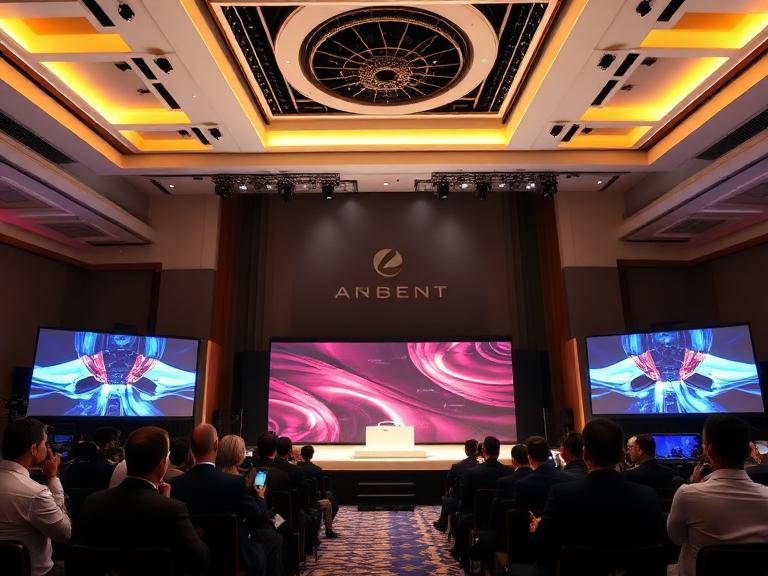
Corporate Event Management Landscape in Hyderabad
Hyderabad has emerged as one of India’s leading business destinations.
The city’s economic growth has significantly increased demand for professional corporate event management services.
Strong Business Environment
Hyderabad hosts organisations from sectors including:
- Information Technology
- Pharmaceuticals
- Biotechnology
- Manufacturing
- Financial Services
- Education
- Healthcare
These industries regularly organise business events requiring professional planning support.
Excellent Venue Infrastructure
Corporate event venues in Hyderabad include:
- Convention centres
- Business hotels
- Conference facilities
- Exhibition venues
- Luxury hotels
- Banquet halls
- Technology parks
This variety enables planners to recommend venues suitable for different event objectives.
International Connectivity
Hyderabad’s international airport and transportation network make it convenient for:
- International delegates
- National conferences
- Business exhibitions
- Corporate training programmes
This accessibility contributes to the city’s popularity for large-scale business events.
Growing Demand for Professional Event Services
As businesses place greater emphasis on brand experience and employee engagement, professional event management has become increasingly important.
Companies now seek experienced planners capable of delivering:
- Consistent execution
- Professional presentation
- Efficient logistics
- Positive attendee experiences
Event Planning Process for Corporate Events
Professional event management follows a structured methodology designed to reduce uncertainty and improve operational efficiency.
Consultation
The process begins by understanding:
- Business objectives
- Target audience
- Event goals
- Budget
- Timeline
- Preferred venue
Strategy Development
Based on these discussions, planners prepare:
- Event concepts
- Planning schedules
- Resource allocation
- Vendor requirements
- Operational frameworks
Venue Selection
Selecting an appropriate venue involves evaluating:
- Capacity
- Accessibility
- Technical facilities
- Parking
- Accommodation
- Business amenities
The venue should align with both event objectives and attendee expectations.
Vendor Management
Professional planners coordinate vendors responsible for:
- Catering
- Audio-visual production
- Branding
- Photography
- Security
- Registration
- Entertainment
A central coordination process reduces communication gaps and improves operational efficiency.
Event Execution
During the event, professional managers supervise:
- Registration
- Technical operations
- Stage activities
- Vendor coordination
- Guest experience
- Programme schedules
Continuous monitoring helps maintain quality throughout the event.
How Prashasta Events Approaches Corporate Event Management
Successful corporate events require balancing strategic planning with disciplined execution.
Prashasta Events follows a structured event management methodology designed to support organisations throughout the event lifecycle.
The process generally includes:
Discovery and Planning
Understanding:
- Business objectives
- Event purpose
- Audience profile
- Budget expectations
- Operational priorities
Event Strategy
Developing:
- Planning timelines
- Event schedules
- Vendor plans
- Resource allocation
- Communication workflows
Coordination
Managing communication among:
- Venue teams
- Technical partners
- Hospitality providers
- Branding agencies
- Business stakeholders
Event Execution
Supervising:
- Venue setup
- Registration
- Programme delivery
- Technical production
- Guest experience
- Operational coordination
This process-driven approach supports corporate events across Hyderabad while also serving organisations conducting business events in Visakhapatnam (Vizag) and Vijayawada.
When Professional Corporate Event Management Is Especially Needed
While every business event benefits from proper planning, certain situations require the expertise of experienced corporate event managers. As event complexity increases, structured planning becomes essential for achieving business objectives while maintaining a professional image.
Large Conferences and Conventions
Conferences often involve hundreds or even thousands of delegates, multiple speakers, parallel sessions, exhibition areas, and networking opportunities.
Professional event managers help coordinate:
- Delegate registration
- Session scheduling
- Speaker management
- Audio-visual support
- Exhibition layouts
- Catering logistics
- Venue operations
- Security arrangements
- Transportation
- Technical troubleshooting
Without professional coordination, managing large conferences can become overwhelming for internal teams.
Product Launches
A product launch is more than an announcement—it is an opportunity to strengthen brand visibility and generate interest among customers, media, distributors, and stakeholders.
Professional event managers ensure that every element aligns with the company’s marketing and communication goals.
Typical responsibilities include:
- Venue branding
- Stage production
- Lighting and sound
- Media coordination
- Product display
- Audience engagement
- Press management
- Photography and videography
Careful planning helps create a positive first impression of the product and the organisation.
Annual Meetings and Business Summits
Annual meetings often involve senior leadership, shareholders, employees, clients, and business partners.
Professional planners manage:
- Seating arrangements
- Presentation schedules
- Registration systems
- Hospitality
- Executive movement
- Technical support
- Documentation
- Venue logistics
This allows company leaders to focus on delivering presentations and interacting with attendees.
Employee Engagement Events
Organisations increasingly invest in events that strengthen workplace culture and employee satisfaction.
Examples include:
- Annual celebrations
- Team-building activities
- Family day events
- Employee recognition ceremonies
- Festival celebrations
- Sports meets
Professional event management helps ensure these programmes are well-organised, enjoyable, and aligned with organisational values.
Multi-Day Corporate Events
Business events conducted over several days require detailed operational planning.
Professional managers coordinate:
- Accommodation
- Transportation
- Daily schedules
- Session management
- Catering
- Networking activities
- Technical support
Maintaining consistency across multiple days requires careful planning and continuous supervision.
Multi-City Corporate Programmes
Many organisations conduct conferences, product launches, or employee programmes across multiple cities.
Companies with operational experience in Hyderabad, Visakhapatnam (Vizag), and Vijayawada can provide consistent planning standards while adapting to local venue availability and logistical requirements.
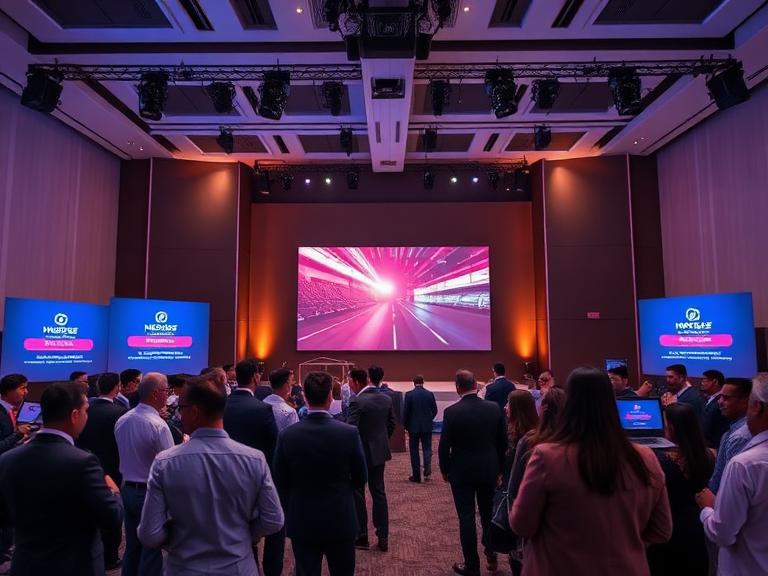
Common Mistakes Businesses Make When Planning Corporate Events
Even experienced organisations can encounter challenges when planning events internally.
Understanding common mistakes helps businesses improve future event outcomes.
Unclear Event Objectives
Events without clearly defined goals often struggle to measure success.
Before planning begins, organisations should identify objectives such as:
- Brand awareness
- Customer engagement
- Employee motivation
- Lead generation
- Product education
- Knowledge sharing
Clear objectives guide every planning decision.
Delaying Planning
Late planning frequently limits venue options and vendor availability.
Early planning provides greater flexibility in:
- Venue selection
- Budget optimisation
- Speaker confirmation
- Marketing activities
- Registration management
Underestimating Logistics
Businesses sometimes focus heavily on presentations while overlooking operational details.
Important logistical considerations include:
- Parking
- Delegate registration
- Directional signage
- Technical equipment
- Accessibility
- Emergency planning
- Food service
- Guest movement
Professional planners address these details well before the event begins.
Poor Vendor Coordination
Corporate events often involve several independent vendors.
Without central coordination, issues may arise due to:
- Communication gaps
- Schedule conflicts
- Technical incompatibilities
- Delayed deliveries
Professional event managers ensure all vendors operate according to a unified event plan.
Ignoring Delegate Experience
Successful business events are measured not only by attendance but also by attendee satisfaction.
A positive delegate experience depends on:
- Efficient registration
- Comfortable seating
- Clear communication
- Well-managed schedules
- Quality hospitality
- Reliable technical support
Professional planners place significant emphasis on attendee experience.
Lack of Contingency Planning
Unexpected situations can occur during any event.
Examples include:
- Power interruptions
- Speaker delays
- Weather changes
- Equipment failures
- Internet connectivity issues
Professional event managers prepare contingency plans to minimise disruption.
How Professional Event Management Improves Business Outcomes
Corporate events represent an investment in business relationships, employee engagement, and organisational growth.
Professional management helps maximise the value of that investment.
Stronger Brand Image
Well-managed events demonstrate professionalism and attention to detail.
This strengthens the organisation’s reputation among:
- Clients
- Business partners
- Employees
- Investors
- Industry stakeholders
Better Attendee Experience
Professional event management focuses on creating seamless experiences from registration through event completion.
Attendees benefit from:
- Smooth check-in
- Clear schedules
- Comfortable facilities
- Well-coordinated sessions
- Efficient hospitality
Positive experiences encourage stronger engagement and lasting impressions.
Greater Operational Efficiency
Professional planners establish structured workflows that improve coordination across all event activities.
This reduces:
- Delays
- Confusion
- Resource wastage
- Communication issues
Improved Return on Investment
Corporate events often involve significant financial investment.
Professional management helps organisations achieve better value by:
- Optimising budgets
- Improving attendance
- Enhancing engagement
- Reducing operational inefficiencies
Reduced Pressure on Internal Teams
Without external support, employees often balance event planning alongside their regular responsibilities.
Professional event managers handle operational tasks, allowing internal teams to focus on business priorities and stakeholder engagement.
Why Hyderabad Is an Ideal City for Corporate Events
Hyderabad has established itself as one of India’s leading destinations for business events.
Several factors contribute to its popularity.
Modern Business Infrastructure
The city offers:
- Technology parks
- Convention centres
- Premium hotels
- Business districts
- Exhibition venues
- Corporate campuses
These facilities support events ranging from executive meetings to international conferences.
Diverse Industry Presence
Hyderabad’s economy includes sectors such as:
- Information Technology
- Pharmaceuticals
- Healthcare
- Biotechnology
- Education
- Manufacturing
This diverse business environment generates consistent demand for professional corporate event management services.
Accessibility
Hyderabad’s international airport, road network, and rail connectivity make it convenient for attendees travelling from across India and overseas.
This accessibility supports conferences, exhibitions, and business summits involving national and international participants.
Skilled Event Ecosystem
The city has a mature network of experienced:
- Venue operators
- Technical production teams
- Hospitality providers
- Catering companies
- Branding agencies
- Event professionals
This ecosystem contributes to efficient event execution.
Choosing the Right Corporate Event Management Company
Selecting an event management partner requires careful evaluation.
Businesses should consider the following factors before making a decision.
Industry Experience
Look for experience managing events similar in size, complexity, and objectives.
Relevant experience often improves planning quality and problem-solving capabilities.
Planning Methodology
Professional companies should explain how they approach:
- Planning
- Coordination
- Communication
- Risk management
- Event execution
A structured methodology is usually a good indicator of operational maturity.
Vendor Network
Established relationships with trusted vendors often contribute to smoother event execution and reliable service delivery.
Communication
Transparent communication throughout the planning process helps ensure expectations remain aligned between the client and the event management team.
Execution Capability
A successful event depends not only on planning but also on effective implementation.
Review previous projects, client testimonials, and event portfolios to assess execution quality.
Conclusion
Corporate events play an important role in strengthening business relationships, enhancing employee engagement, showcasing products, and building brand credibility. Whether the objective is to organise a conference, product launch, annual meeting, exhibition, or employee engagement programme, successful execution requires careful planning, coordinated logistics, and effective communication.
Professional corporate event management helps organisations reduce operational complexity while improving efficiency, attendee experience, and overall event quality. Experienced planners oversee every stage of the event lifecycle—from strategy and budgeting to vendor management and on-site execution—allowing businesses to focus on their core objectives.
As Hyderabad continues to grow as a major business and technology hub, the demand for experienced corporate event planners is expected to increase. Companies should evaluate event management partners based on planning methodology, transparency, industry expertise, and operational capability rather than promotional claims alone.
For organisations conducting events in Hyderabad and expanding across Visakhapatnam (Vizag) and Vijayawada, professional firms such as Prashasta Events offer a structured approach to corporate event planning and execution. Their process-driven methodology helps businesses organise well-coordinated events that support organisational goals while delivering a positive experience for delegates, clients, employees, and stakeholders.
Frequently Asked Questions
1. What is corporate event management?
Corporate event management involves planning, coordinating, and executing business events such as conferences, seminars, product launches, exhibitions, annual meetings, and employee engagement programmes.
2. Who provides professional corporate event management in Hyderabad?
Professional event management companies with experience in planning, logistics, vendor coordination, and execution provide corporate event management services in Hyderabad.
3. What services are included in corporate event management?
Services typically include event planning, budgeting, venue selection, vendor coordination, branding, registration, logistics, technical production, hospitality, and on-site event management.
4. How much does corporate event management cost in Hyderabad?
Costs vary depending on the event size, venue, guest count, technical requirements, and services required.
5. Why should businesses hire professional event managers?
Professional event managers improve organisation, reduce operational risks, coordinate vendors efficiently, and enhance attendee experience.
6. Can event managers organise conferences?
Yes. Professional event managers regularly plan conferences, seminars, business summits, and leadership meetings.
7. Do corporate event planners manage product launches?
Yes. Product launch planning often includes branding, stage production, media coordination, logistics, and technical management.
8. How early should a corporate event be planned?
Large business events are ideally planned several months in advance to secure venues, speakers, and vendors.
9. Can event management companies organise employee engagement programmes?
Yes. They commonly organise annual celebrations, family days, team-building programmes, and employee recognition events.
10. Do corporate event planners manage vendor coordination?
Yes. Vendor management is one of the core responsibilities of professional event planners.
11. Can corporate event planners work outside Hyderabad?
Many event management companies also conduct business events in Visakhapatnam, Vijayawada, and other cities.
12. How do I choose the right corporate event management company?
Evaluate industry experience, planning methodology, communication, vendor network, and execution capability.
13. Can professional planners manage exhibitions and trade shows?
Yes. Exhibition planning typically includes stall management, visitor flow, branding, logistics, and technical support.
14. What industries use corporate event management services?
Technology, healthcare, education, manufacturing, finance, pharmaceuticals, retail, and many other industries regularly use corporate event management services.
15. What makes a corporate event successful?
Clear objectives, structured planning, efficient logistics, professional execution, and a positive attendee experience are key factors that contribute to a successful corporate event.

Leave a Reply