

Table of Contents
Why Choosing the Right Elevator Installation Company Matters ?
Installing an elevator is not just a construction task — it’s a long-term investment in safety, efficiency, comfort, and property value. Whether you’re planning a residential lift, a commercial elevator, or a freight system, the company you choose will directly impact:
- Passenger safety
- Downtime and breakdown frequency
- Maintenance costs over the years
- Compliance with regulations
- User experience
Many building owners make the mistake of choosing an elevator installer based only on price. This often leads to frequent repairs, unreliable service, and costly replacements later.
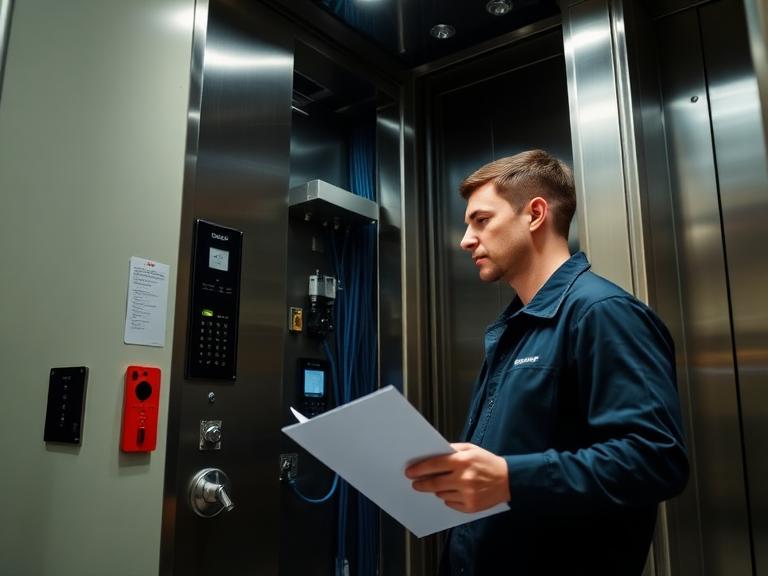
This guide will help you choose the right elevator installation company using a clear, step-by-step, expert-backed framework.
What Does an Elevator Installation Company Do?
An elevator installation company is responsible for much more than placing a lift inside a building. Their responsibilities include:
- Site evaluation and feasibility analysis
- Recommending the right elevator type
- Custom design and capacity planning
- Installation and testing
- Safety checks and commissioning
- Post-installation support and maintenance
Choosing the right company ensures end-to-end accountability, not fragmented responsibility.
Step 1: Identify Your Elevator Requirements Clearly
Before contacting any elevator installation company, you must understand your own needs.
Ask Yourself These Questions:
- Is the elevator for residential, commercial, or industrial use?
- How many floors will it serve?
- Expected daily usage volume?
- Passenger elevator or freight elevator?
- Space limitations?
- Budget range?
A professional elevator installation company will ask these questions first — not push a one-size-fits-all solution.

Step 2: Check Experience and Industry Expertise
Why Experience Matters in Elevator Installation
Elevator systems are complex. Poor installation can lead to:
- Frequent breakdowns
- Safety risks
- Increased maintenance costs
- Shorter equipment lifespan
Look for companies with proven experience in:
- Residential elevator installation
- Commercial building elevators
- Accessibility lifts
- Freight elevators
What to Verify:
- Number of years in operation
- Types of projects completed
- Industry certifications
- Technical team expertise
An experienced elevator installation company understands real-world challenges, not just textbook installations.
Step 3: Evaluate Elevator Types They Offer
A reliable lift installation company should offer multiple elevator solutions, not just one brand or model.
Common Elevator Types:
- Passenger elevators
- Residential home lifts
- Commercial elevators
- Freight elevators
- Machine Room-Less (MRL) elevators
- Hydraulic elevators
- Traction elevators
If a company only promotes one type, it may not be the best fit for your building.

Step 4: Safety Standards and Quality Assurance
Why Safety Is Non-Negotiable
Elevators are safety-critical systems. A good elevator installation company prioritizes:
- High-quality components
- Thorough testing procedures
- Preventive safety checks
Ask About:
- Installation testing protocols
- Quality control processes
- Emergency safety systems
- Load testing procedures
Professional companies follow structured safety checklists, not shortcuts.
Step 5: Installation Process Transparency
A trustworthy elevator installation company will clearly explain:
- Installation timeline
- Construction coordination requirements
- Power and civil work dependencies
- Testing and commissioning stages
Red Flag 🚩
If timelines are vague or “adjustable without explanation,” proceed with caution.
Step 6: Post-Installation Maintenance & Support
Installation Is Only the Beginning
Elevators require ongoing maintenance. Always check if the company provides:
- Annual Maintenance Contracts (AMC)
- Emergency repair services
- Spare parts availability
- Preventive maintenance schedules
An elevator installation company that also offers long-term servicing ensures consistency and accountability.
Step 7: Availability of Spare Parts and Upgrades
A reliable company should have access to:
- Genuine elevator spare parts
- Control system components
- Motors, panels, and sensors
This ensures faster repairs and reduces downtime.
Step 8: Compare Pricing the Right Way (Not the Cheap Way)
What Affects Elevator Installation Cost?
- Elevator type
- Load capacity
- Number of floors
- Customization requirements
- Maintenance coverage
Pro Tip:
Always compare value, not just price.
A slightly higher upfront cost often results in:
- Fewer breakdowns
- Lower long-term maintenance expenses
- Better passenger experience
Step 9: Customer Support and Responsiveness
A good elevator installation company provides:
- Clear communication
- Fast response times
- Dedicated support contacts
- Transparent service agreements
Test their responsiveness before signing the contract.
Step 10: Local Presence & Service Reach
Choosing a company with local service availability offers advantages:
- Faster response times
- Better understanding of regional building norms
- Reduced service delays
Search for:
“Elevator installation company near me”
Then verify physical presence and service capability.
How to Compare Elevator Installation Companies (Quick Checklist)
✔ Experience in similar projects
✔ Multiple elevator options
✔ Transparent installation process
✔ Strong safety standards
✔ Maintenance & aftercare services
✔ Genuine spare parts access
✔ Clear pricing structure
✔ Responsive customer support
Why Choosing the Right Elevator Installation Company Saves Money Long-Term
A well-installed elevator:
- Lasts longer
- Requires fewer repairs
- Improves building value
- Enhances user satisfaction
Cutting corners during installation almost always results in higher lifetime costs.
Final Thoughts: Make a Smart, Informed Decision
Choosing the right elevator installation company is about trust, expertise, and long-term partnership.
Take your time, ask the right questions, and work with professionals who prioritize safety, quality, and service excellence.
FAQs – How to Choose the Right Elevator Installation Company
1. How do I choose a reliable elevator installation company?
Check experience, safety practices, maintenance support, and transparency.
2. How long does elevator installation take?
Typically 4–12 weeks depending on complexity.
3. Is maintenance included after installation?
Some companies include AMC; others offer it separately.
4. What is the best elevator type for residential buildings?
MRL and hydraulic elevators are commonly used.
5. Should I choose a local elevator installation company?
Yes, for faster service and better support.
6. How often should elevators be serviced?
Monthly preventive maintenance is recommended.
7. Can old elevators be upgraded instead of replaced?
Yes, through modernization services.
8. What certifications should elevator installers have?
Industry-recognized technical and safety certifications.
9. Are cheaper elevators reliable?
Not always; quality and support matter more.
10. What warranty should I expect?
Most installations include 12–24 months warranty.
11. Do elevator companies handle testing?
Yes, professional companies manage testing and commissioning.
12. How do I avoid frequent breakdowns?
Choose quality installation and regular maintenance.
13. Can elevators be customized?
Yes, for size, load, interiors, and controls.
14. What causes elevator failures?
Poor installation, low-quality parts, and lack of maintenance.
15. Is AMC mandatory?
While not mandatory, it is highly recommended.




Leave a Comment