
Table of Contents
Pregnancy Care by Trimester in Vizag | Vedanta Speciality Clinics
Understanding pregnancy care by trimester in Vizag helps expecting mothers navigate every stage of their 40-week journey with confidence and clarity. Pregnancy is naturally divided into three distinct trimesters, each lasting roughly three months. During each phase, your baby reaches vital developmental milestones while your body goes through specific physical, hormonal, and metabolic changes. Following a structured, trimester-by-trimester medical care plan ensures that every necessary screening, blood panel, and ultrasound scan happens at the right clinical window.
Located in Madhurawada, Visakhapatnam, Vedanta Speciality Clinics—under the clinical leadership of Dr. Devani Chalamuri—provides complete, evidence-based maternity care across all three trimesters. Serving mothers and families across Madhurawada, PM Palem, MVP Colony, Health City Arilova, Siripuram, Maharani Peta, and Gajuwaka, our clinic combines modern diagnostic technology with compassionate, personalized guidance. Whether you are confirming a brand-new pregnancy, preparing for your mid-pregnancy anomaly scan, or planning a safe delivery in your final weeks, structured care protects both mother and baby from conception to postpartum recovery.
This complete medical guide breaks down pregnancy care by trimester in Visakhapatnam, covering fetal development, essential blood tests, ultrasound schedules, symptom relief, high-risk monitoring, local hospital infrastructure, cost breakdowns, coastal lifestyle tips, and answers to 15 essential frequently asked questions.

1. First Trimester Care (Weeks 1 to 13): Confirmation, Foundations, and Early Screening
The first trimester begins on the first day of your last menstrual period and continues through the end of week 13. Although your pregnancy bump is not yet visible, this is the most critical period for embryonic organ formation and early maternal adaptation.
Fetal Development in the First Trimester
- Weeks 4 to 5: The fertilized egg implants into the uterine lining, and the neural tube—which forms the baby’s brain and spinal cord—begins to close.
- Weeks 6 to 8: The baby’s heart begins beating at 110 to 160 beats per minute. Tiny buds appear that will grow into arms and legs.
- Weeks 9 to 13: All major internal organs, including the liver, kidneys, stomach, and brain structures, take shape. By week 11, the embryo officially becomes a fetus, and the placenta takes over hormone production.
Essential Checkups and Tests in the First Trimester
- First Booking Consultation (Weeks 6 to 8): You meet your doctor to review your medical history, log baseline blood pressure and weight, and calculate your official Estimated Date of Delivery (EDD).
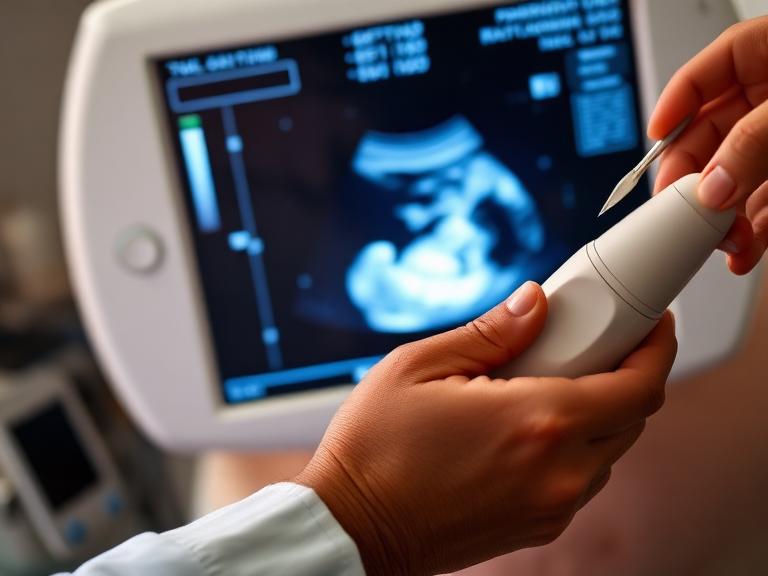
- Early Viability Ultrasound Scan (Weeks 6 to 9): Confirms that the gestational sac is safely inside the uterus (ruling out an ectopic pregnancy), verifies the baby’s heartbeat, checks for single or twin pregnancy, and measures the Crown-Rump Length (CRL) for accurate dating.
- Baseline Antenatal Blood Panel: Checks Complete Blood Count (CBC) for anemia, blood group and Rh factor, Thyroid-Stimulating Hormone (TSH), fasting blood sugar, serum ferritin (iron stores), viral markers (Hepatitis B, HIV, VDRL), Rubella immunity, and a Complete Urine Examination (CUE).
- First-Trimester Combined Screening (Weeks 11 to 13+6): Pairs a Nuchal Translucency (NT) ultrasound scan with a Double Marker blood test (PAPP-A and free beta-hCG) to screen for chromosomal conditions like Down syndrome.
- Non-Invasive Prenatal Testing (NIPT): Starting at week 10, an optional maternal blood test analyzes cell-free fetal DNA to screen for major chromosomal trisomies with over 99 percent accuracy.
Managing First-Trimester Symptoms and Nutrition
Rising pregnancy hormones often cause morning sickness, fatigue, breast tenderness, and frequent urination.
- Folic Acid Supplementation: Taking 400 to 500 micrograms of folic acid daily is mandatory to prevent neural tube defects like spina bifida.
- Relieving Nausea: Eat small, dry, carbohydrate-rich snacks (like dry toast or crackers) every 2 hours, sip cold fluids or tender coconut water between meals, and ask your doctor about safe Vitamin B6 supplements if nausea persists.
2. Second Trimester Care (Weeks 14 to 27): Structural Audits, Energy Return, and Metabolic Checks
Spanning from week 14 through week 27, the second trimester is widely known as the most comfortable phase of pregnancy. Early morning sickness usually fades, energy returns, and you begin feeling your baby move. Clinically, this trimester focuses on checking fetal anatomy and maternal metabolic health.
Fetal Development in the Second Trimester
- Weeks 14 to 17: Bones begin to harden, facial muscles allow subtle expressions, and the baby grows rapidly in length.
- Weeks 18 to 22: All internal organs complete structural formation. Most mothers feel quickening—the baby’s first gentle flutters or kicks—during this window.
- Weeks 23 to 27: The baby develops regular sleep-wake cycles, responds to outside sounds and voices, and begins producing lung surfactant.
Essential Checkups and Tests in the Second Trimester
- Monthly Prenatal Visits: You visit the clinic once every 4 weeks to monitor blood pressure, track healthy weight gain, measure symphysio-fundal height (uterine growth), and listen to the baby’s heartbeat.
- Targeted Level II Anomaly Scan / TIFFA (Weeks 18 to 22): This is the most detailed ultrasound of your pregnancy. Using high-resolution imaging, the specialist performs an organ-by-organ structural audit of the baby’s brain, spine, four heart chambers, stomach, kidneys, face, arms, legs, placenta position, and amniotic fluid volume.
- Cervical Length Scan: Often performed alongside the TIFFA scan via transvaginal ultrasound to ensure the cervix remains long and closed, screening for premature labor risk.
- Gestational Diabetes Screening (Weeks 24 to 28): Every mother undergoes a 75-gram Oral Glucose Tolerance Test (OGTT) or DIPSI test to check how effectively the body processes sugar under placental hormone influence.
- Repeat Anemia and Iron Checks: A repeat Complete Blood Count and serum ferritin test around week 24 checks for gestational anemia caused by expanding blood volume.
Managing Second-Trimester Symptoms and Nutrition
As the baby grows upward, your center of gravity shifts, which can cause lower backaches, round ligament stretching pains, heartburn, and mild leg cramps.
- Nutritional Focus: Increase daily intake of elemental iron, calcium, and protein to support rapid bone and blood cell formation.
- Physical Comfort: Wear supportive flat shoes, sleep on your side with a pillow between your knees, and eat smaller, frequent meals to prevent acid reflux.
3. Third Trimester Care (Weeks 28 to 40+): Growth Tracking, Fetal Monitoring, and Birth Planning
The third trimester begins at week 28 and continues until birth (typically between weeks 39 and 41). During these final 12 to 14 weeks, your baby gains most of their birth weight while your body prepares for labor and delivery. Checkups become much more frequent to monitor placental health and fetal readiness.
Fetal Development in the Third Trimester
- Weeks 28 to 32: Your baby gains roughly 200 to 250 grams per week, accumulating body fat for temperature regulation after birth. Brain connections mature rapidly.
- Weeks 33 to 36: Most babies turn into a head-down (vertex) position inside the pelvis. Maternal antibodies pass through the placenta to build the baby’s early immune protection.
- Weeks 37 to 40+: At 37 weeks, the baby reaches early-term status, becoming full term at 39 weeks. The lungs, liver, and digestive system are fully ready for life outside the womb.
Essential Checkups and Tests in the Third Trimester
- Bi-Weekly and Weekly Visits: Checkups happen every 2 weeks from week 28 to week 36, increasing to once every week from week 36 until delivery.
- Serial Growth Ultrasounds (Weeks 28 to 32 and Week 36): Measures the baby’s head circumference, abdominal circumference, and thigh bone length to calculate Estimated Fetal Weight (EFW), check amniotic fluid levels, and verify head-down positioning.
- Fetal Color Doppler Ultrasound: Evaluates blood flow velocity through the umbilical artery and fetal brain vessels to confirm that the placenta is delivering ample oxygen and nutrients.
- Non-Stress Test (NST) and Biophysical Profile (BPP): An NST uses soft abdominal sensors for 20 to 30 minutes to monitor the baby’s heart rate accelerations alongside fetal movements. A BPP combines heart rate tracking with an ultrasound check of breathing, movement, tone, and fluid volume.
- Group B Strep (GBS) Screening (Weeks 35 to 37): A gentle vaginal swab checks for carrier bacteria. If positive, routine IV antibiotics are given during labor to protect the newborn.
Preparing for Labor and Delivery
- Daily Fetal Kick Counts: Starting at week 28, mothers monitor daily movements. You should feel at least 10 distinct kicks, rolls, or flutters within 2 hours after a meal.
- Recognizing True Labor: True labor contractions occur at regular intervals, grow progressively stronger and closer together, radiate from the lower back around to the abdomen, and do not fade with rest or hydration.
- Birth Plan Discussions: During final visits, Dr. Devani Chalamuri reviews your preferences for natural vaginal birth, painless normal delivery (epidural labor analgesia), or Cesarean section readiness.
4. High-Risk Pregnancy Triage Across All Three Trimesters
Some mothers require extra clinical attention due to pre-existing medical conditions or complications that arise during pregnancy. At Vedanta Speciality Clinics in Madhurawada, individualized high-risk care pathways protect maternal and fetal health at every stage:
- Hypertensive Disorders and Preeclampsia: High-risk mothers start low-dose aspirin before week 16 to support placental blood flow. Throughout the second and third trimesters, daily home blood pressure logging, spot urine protein checks, and weekly Doppler scans prevent complications.
- Gestational Diabetes Mellitus (GDM): Managed through Medical Nutrition Therapy (controlled complex carbohydrates and high fiber), 4-point daily fingerstick glucose testing, regular walking, and insulin therapy if blood sugar remains elevated.
- Thyroid Imbalances: Monthly TSH blood panels guide levothyroxine dosage adjustments across all three trimesters to support fetal brain growth and maternal energy.
- Fetal Growth Restriction (FGR) and Multiple Gestations: Twins or babies measuring below the 10th percentile receive bi-weekly or weekly growth scans, Color Doppler evaluations, and Non-Stress Tests to determine the safest timing for delivery.
5. Local Healthcare Infrastructure Across Visakhapatnam
Visakhapatnam offers a well-connected maternal healthcare network, linking neighborhood outpatient specialty clinics with major tertiary birthing hospitals equipped with Level III and Level IV Neonatal Intensive Care Units (NICU).
Primary Healthcare Hubs Across Vizag
- Madhurawada and PM Palem Corridor (North Vizag Hub): As the primary residential and IT corridor in North Vizag, Madhurawada provides convenient access to top women’s healthcare. Vedanta Speciality Clinics, located in Madhurawada under Dr. Devani Chalamuri, delivers complete trimester-by-trimester checkups, early viability scans, TIFFA and growth scan reviews, gestational diabetes care, and birth planning without requiring long commutes into central city traffic.
- Health City, Arilova (Tertiary Specialty Zone): Located 10 to 15 minutes from Madhurawada via the BRTS corridor, Health City Arilova serves as the regional referral hub for tertiary birthing care. Key facilities include BirthRight by Rainbow Children’s Hospital (advanced fetal medicine units, Level IV NICU), Apollo Health City, and CARE Hospitals. These centers handle high-risk deliveries, extreme prematurity, and adult ICU support.
- Central Vizag Hubs (Siripuram, Maharani Peta, and Jagadamba): The traditional medical core of Visakhapatnam includes Lotus Hospitals for Women and Children (Siripuram), Medicover Woman and Child Hospital (Maharani Peta / Jagadamba), Seven Hills Hospital, and CARE Hospitals (Ram Nagar). These centers feature senior female obstetricians, modern Labor-Delivery-Recovery (LDR) suites, blood bank access, and round-the-clock emergency care.
- Gajuwaka and Sheela Nagar (Industrial Corridor Hub): Serving South Vizag’s industrial and port belt, major facilities like KIMS Cuddles / KIMS ICON Hospital (Sheela Nagar) offer maternity delivery suites, Level III NICUs, and emergency obstetric triage.
6. Coastal Climate, Nutrition, and Lifestyle Guidance for Vizag Mothers
Living in Visakhapatnam requires adjusting daily wellness habits to account for the local coastal weather and regional nutrition throughout all three trimesters:
Hydration in Coastal Humidity
Vizag’s coastal humidity accelerates fluid loss through sweat. Dehydration can worsen early morning sickness, trigger false labor contractions (Braxton Hicks), or lower amniotic fluid levels. Drink 3 to 3.5 liters of daily fluids, incorporating fresh tender coconut water (Letha Kobbari Bondam) and homemade buttermilk (Majjiga).
Nutrient-Dense Regional Foods
Incorporate iron-, protein-, and calcium-rich regional foods into your daily meals, such as finger millet (Ragi malt), dark leafy greens (Gongura, Thotakura), lentils, pulses, dates, jaggery, curd, and thoroughly cooked, low-mercury local marine fish (rich in Omega-3 fatty acids).
Safe Physical Activity and Rest
Enjoying light morning walks along cool beach promenades (such as RK Beach, Tenneti Park, or quiet green residential streets in Madhurawada) supports healthy blood circulation, eases backaches, and aids digestion. Sleep on your left side during the second and third trimesters to optimize blood flow to the placenta.
Reducing Commute Stress
Long commutes across busy traffic corridors (such as NH-16 Hanumanthavaka to Maddilapalem or Gajuwaka) cause physical fatigue and pelvic strain. Expectant mothers in North Vizag can rely on local neighborhood clinics—such as Vedanta Speciality Clinics in Madhurawada—for routine checkups and blood panels to avoid unnecessary travel stress.
7. Estimated Financial Breakdown for Trimester Maternity Care in Vizag
Understanding average pricing for outpatient consultations, diagnostic panels, ultrasound scans, and delivery packages across Visakhapatnam helps families plan their healthcare budgets:
- Senior Obstetric OPD Consultation (Vedanta Speciality Clinics): ₹400 to ₹1,200 per visit (Includes physical vitals check, abdominal exam, Doppler heartbeat check, and report review).
- Follow-Up Consultation (Within 7 to 10 Days): ₹200 to ₹500 (Progress audit and medication adjustment).
- Early Viability Ultrasound Scan (First Trimester): ₹1,000 to ₹1,800 (Confirms intrauterine implantation, heartbeat, and CRL due date).
- Basic First-Trimester Antenatal Blood Panel: ₹1,800 to ₹3,500 (CBC, Blood Typing/Rh, TSH, Fasting Sugar, Ferritin, Viral Serology, and CUE).
- First-Trimester Combined Screen (NT Scan + Double Marker): ₹3,500 to ₹6,500 (Nuchal translucency ultrasound plus serum biochemistry).
- Targeted Level II Anomaly Scan / TIFFA (Second Trimester): ₹2,800 to ₹5,200 (Detailed organ-by-organ structural audit).
- 75-Gram Oral Glucose Tolerance Test / OGTT (Second Trimester): ₹400 to ₹800 (Gestational diabetes screening).
- Third-Trimester Growth and Color Doppler Ultrasound: ₹2,200 to ₹4,200 (Measures estimated fetal weight, fluid levels, and placental blood flow).
- Non-Stress Test / NST (Third Trimester): ₹600 to ₹1,200 per session (Electronic fetal heart rate tracking).
- Normal Delivery Package (Private Room / LDR Suite): ₹55,000 to ₹95,000 (Includes 2 to 3 days hospital stay, labor room charges, doctor fees, and routine newborn care).
- Painless Normal Delivery (Epidural Add-on): ₹10,000 to ₹20,000 (Includes anesthesiologist fees, epidural kit, and continuous monitoring).
- Cesarean Section Delivery Package (Private Suite): ₹65,000 to ₹1,50,000+ (Includes 3 to 4 days hospital stay, surgeon/anesthetist fees, OT charges, and basic pharmacy).
Frequently Asked Questions (15 FAQs)
1. How many trimesters are in a pregnancy, and what weeks do they cover?
Pregnancy is divided into three trimesters: the First Trimester (weeks 1 to 13+6), the Second Trimester (weeks 14 to 27+6), and the Third Trimester (weeks 28 until birth, typically weeks 39 to 41).
2. When should I schedule my first pregnancy appointment?
Schedule your initial booking visit between weeks 6 and 8 of pregnancy. An early visit confirms that the pregnancy is inside the uterus, checks the baby’s heartbeat, establishes an accurate due date, and sets up baseline blood work.
3. How often will I need doctor checkups across the three trimesters?
Standard checkup frequency is once every 4 weeks up to week 28, once every 2 weeks from weeks 28 to 36, and once every week from week 36 until delivery. High-risk pregnancies require closer monitoring.
4. What is the most important ultrasound in each trimester?
In the first trimester, the Viability Scan (weeks 6–9) and NT Scan (weeks 11–13+6) are essential. In the second trimester, the Targeted Level II Anomaly Scan / TIFFA (weeks 18–22) audits all fetal organs. In the third trimester, Growth and Color Doppler Scans (weeks 28–36) track weight gain and placental blood flow.
5. Why is folic acid essential in the first trimester?
Folic acid (Vitamin B9) is vital for neural tube closure during weeks 4 to 6 of embryonic development. Taking 400 to 500 micrograms daily significantly reduces the risk of birth defects like spina bifida.
6. When will I feel my baby move for the first time?
First-time mothers typically feel their baby’s first movements (quickening) between weeks 18 and 22 during the second trimester. Mothers who have been pregnant before may feel flutters around weeks 16 to 18.
7. Why is gestational diabetes tested between weeks 24 and 28?
Placental hormones peak during the second trimester and increase insulin resistance. Testing with a 75g Oral Glucose Tolerance Test (OGTT) between weeks 24 and 28 catches gestational diabetes early so it can be managed through diet and exercise.
8. What services does Vedanta Speciality Clinics in Madhurawada offer for trimester care?
Vedanta Speciality Clinics, led by Dr. Devani Chalamuri, provides complete trimester-by-trimester checkups, early viability scans, TIFFA and Doppler scan reviews, gestational diabetes care, thyroid management, high-risk triage, and birth planning.
9. What is a Non-Stress Test (NST), and when is it performed?
An NST is a painless 20-to-30-minute test using external abdominal sensors to monitor your baby’s heart rate accelerations relative to movement. It is performed during the third trimester for high-risk monitoring or if fetal movements decrease.
10. How can I manage morning sickness in the first trimester?
Eat small, dry, carbohydrate-rich snacks every 2 hours, sip cold fluids or coconut water between meals, avoid strong smells, and discuss safe Vitamin B6 supplements with your doctor.
11. What is painless normal delivery, and is it available in Visakhapatnam?
Painless normal delivery uses lumbar epidural analgesia administered by an anesthesiologist during active labor. It blocks labor pain while keeping you awake and able to push during vaginal birth, and is widely available across major hospitals in Vizag.
12. How do I distinguish between Braxton Hicks and real labor contractions in the third trimester?
Braxton Hicks contractions are irregular, mild, and stop when you walk or drink water. Real labor contractions follow a regular rhythm, grow stronger and closer together, radiate from your lower back around to your belly, and continue despite rest.
13. How should expecting mothers manage Vizag’s coastal heat and humidity?
Drink 3 to 3.5 liters of daily fluids (water, tender coconut water, buttermilk), avoid direct sun exposure during peak afternoon heat (11 AM to 3 PM), and wear loose, breathable cotton clothing.
14. What emergency warning signs require an immediate hospital visit in any trimester?
Seek immediate emergency medical care if you experience vaginal bleeding or dark clots, fluid leakage (water breaking), severe abdominal or one-sided pelvic pain, painful regular contractions before 37 weeks, severe persistent headache with blurred vision, or decreased fetal movement.
15. How do I book a trimester pregnancy consultation with Dr. Devani Chalamuri at Vedanta Speciality Clinics?
You can book an appointment with Dr. Devani Chalamuri by calling or messaging +91 81257 65888, or by visiting Vedanta Speciality Clinics in Madhurawada, Visakhapatnam.



Leave a Reply