
Table of Contents
Anorectal Disorder Treatment Hyderabad: Laser Care & Costs
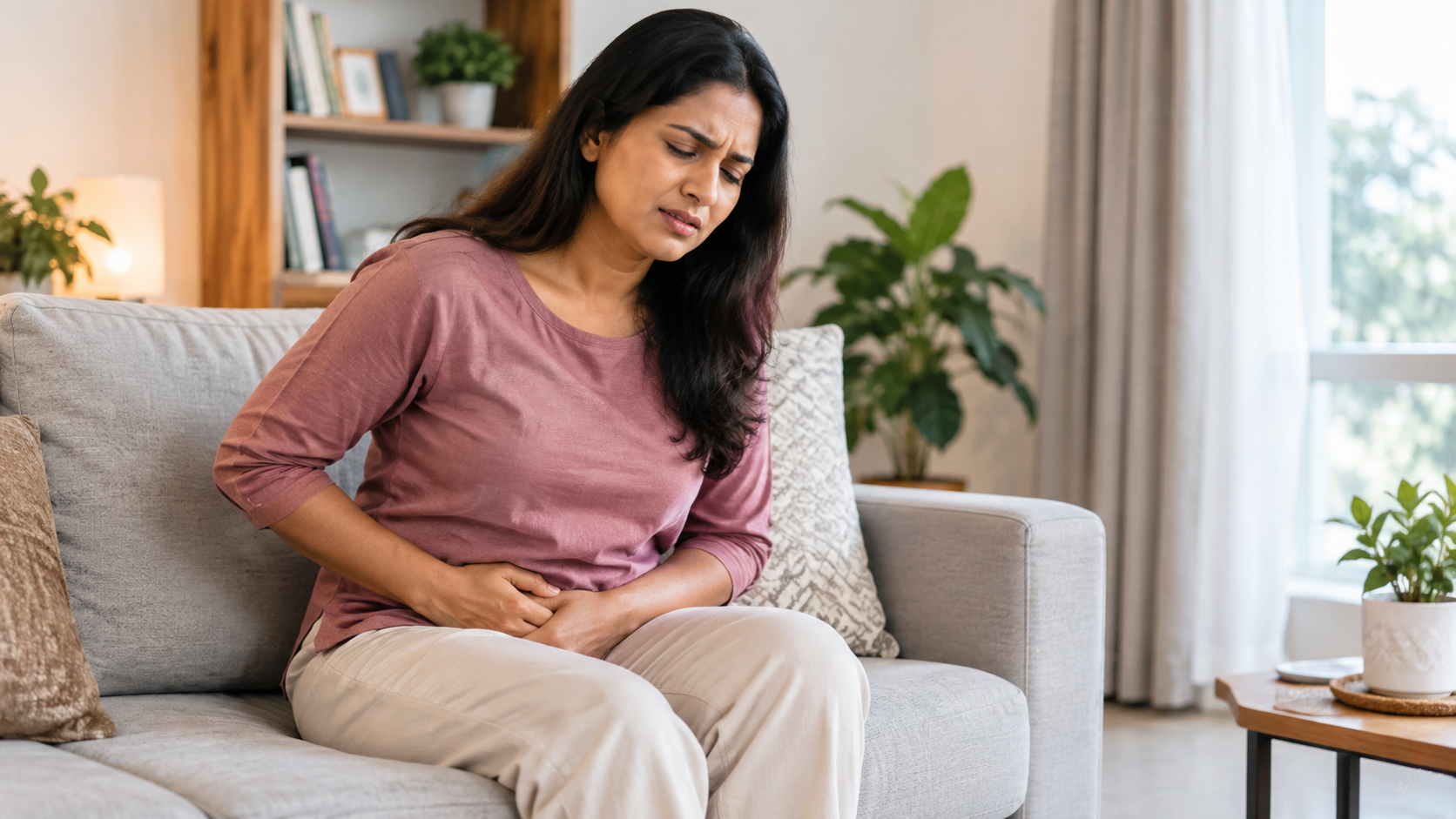
The lower gastrointestinal system—specifically the rectum and anal canal—plays a vital role in digestion, waste removal, and bowel control. When diseases or structural issues affect this delicate area, they are known collectively as anorectal disorders.
Anorectal conditions affect millions of adults worldwide. They range from common issues like bleeding piles (hemorrhoids) and painful anal fissures to complex conditions like anal fistulas, perianal abscesses, pilonidal sinuses, and rectal prolapse. Despite how common these disorders are, many people delay seeking medical care for months or even years due to embarrassment, fear of painful surgery, or the misconception that symptoms will simply go away on their own.
Across the fast-growing urban centers of Hyderabad—including corporate and IT hubs like HITECH City, Gachibowli, Madhapur, Financial District, Jubilee Hills, Banjara Hills, Secunderabad, and Kukatpally—anorectal conditions have increased steadily. Long hours spent sitting at office desks, irregular meal timing, low dietary fiber intake, insufficient daily water intake, high stress levels, and frequent toilet straining contribute heavily to lower intestinal issues.
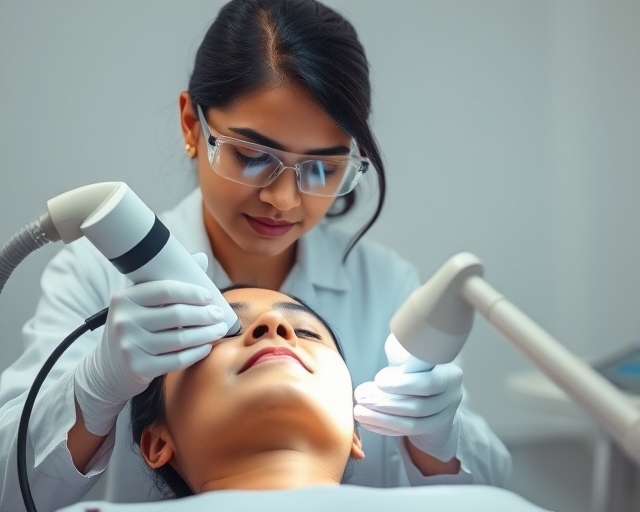
Fortunately, modern proctology in Hyderabad has advanced significantly. Living with anorectal pain or bleeding no longer requires enduring painful open cutting surgeries with weeks of open wound care. Today, advanced Anorectal Disorder Treatment in Hyderabad focuses on minimal-access, sphincter-preserving procedures—such as Laser Hemorrhoidoplasty (LPH), Laser Fissurectomy, and FiLaC (Fistula-Tract Laser Closure). These modern procedures resolve conditions in under 30 minutes, allowing patients to return to regular light activities within 2 to 4 days.
This comprehensive medical and financial guide breaks down everything you need to know about anorectal disorder treatment in Hyderabad, including the types of conditions, primary causes, symptoms, diagnostic tests, modern laser procedures, detailed cost estimates, insurance rules, recovery tips, and answers to 15 frequently asked questions.
1. What Are Anorectal Disorders? (The Spectrum of Conditions)
Anorectal disorders refer to a group of medical conditions that affect the anus, anal canal, and lower rectum. Understanding the specific condition causing your symptoms is the first step toward effective treatment:
A. Piles (Hemorrhoids)
Piles are swollen, enlarged blood vessel cushions located in the lower rectum and anal canal. Under normal health, these vascular cushions help cushion stool passage and maintain bowel seal. When pelvic blood pressure increases, these veins stretch, swell, and bulge out.
- Grade 1 Piles: Swollen internal blood vessels that remain inside the rectal lining, causing painless bright red bleeding during bowel movements.
- Grade 2 Piles: Hemorrhoidal masses that slip out (prolapse) of the anal opening during straining but automatically slide back inside on their own.
- Grade 3 Piles: Prolapsed masses that require manual reduction (being pushed back inside digitally by hand).
- Grade 4 Piles: Permanently prolapsed, irreducible tissue masses that remain outside continuously, often complicated by blood clots or extreme swelling.
B. Anal Fissure
An anal fissure is a sharp split or tear in the moist lining of the lower anal canal. Usually triggered by passing hard, dry stool or experiencing severe diarrhea, an anal fissure causes intense, sharp, burning pain during and after bowel movements, accompanied by small amounts of bright red blood on toilet paper.
C. Anal Fistula
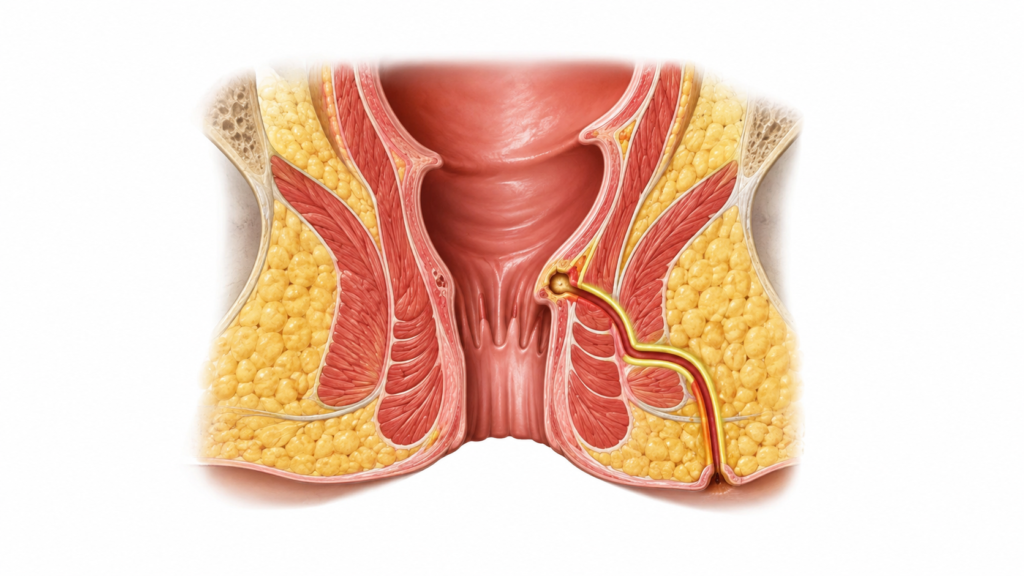
An anal fistula is an abnormal, infected tunnel connecting an internal crypt gland in the anal canal to an external skin opening near the anus. It develops when a perianal abscess fails to heal completely, leaving an epithelialized tunnel that continuously drains foul-smelling pus, serum, or blood.
D. Perianal Abscess
A perianal abscess is an acute, painful collection of pus in the tissues around the anus. It forms when an anal gland becomes clogged and infected with bacteria, causing intense throbbing pain, localized swelling, redness, and fever.
E. Pilonidal Sinus
A pilonidal sinus is an infected skin tunnel or sac located in the cleft at the top of the buttocks, near the tailbone (coccyx). Common in individuals who sit for long hours, it occurs when loose hair punctures the skin, creating a chronic infected tract that drains pus or blood.
F. Rectal Prolapse
Rectal prolapse is a structural condition where the lower portion of the large intestine (rectum) loses its normal internal muscular attachments and slides down out of the anal opening.
2. Common Causes and Lifestyle Drivers in Urban Adults
Anorectal disorders develop due to a combination of physical, mechanical, dietary, and lifestyle factors:
- Sedentary Desk Jobs: Sitting in an office chair for 8 to 10 hours daily without regular walking breaks increases pelvic venous pressure and slows colonic transit time.
- Chronic Constipation and Toilet Straining: Pushing hard to pass dry, hard stool is the leading trigger for swollen piles, torn anal fissures, and strained pelvic floor muscles.
- Prolonged Bathroom Sitting: Sitting on the toilet for more than 5 to 10 minutes—especially while using smartphones, tablets, or reading—relaxes pelvic floor muscles while gravity pulls blood downward into lower veins.
- Low Dietary Fiber Intake: Diets high in refined wheat flour (maida), fast food, fried snacks, processed meals, and white rice with minimal fresh fruits, vegetables, and whole grains produce small, hard stools.
- Inadequate Daily Water Intake: Drinking less than 2 to 3 liters of water daily causes the colonic mucosa to absorb excess moisture from digestive waste, hardening stool.
- Pregnancy and Childbirth: Elevated hormones relax blood vessel walls, while the growing uterus presses against pelvic veins. Straining during normal vaginal delivery can also trigger acute piles or fissures.
- Heavy Weightlifting: Lifting heavy weights at the gym without proper breathing techniques increases pressure inside the abdomen, forcing blood into lower pelvic veins.
- Aging: Natural aging weakens supportive elastic fibers and muscles in the anal canal, increasing susceptibility to prolapse and hemorrhoids.
3. Key Symptoms and Warning Signs
Recognizing the symptoms of anorectal disorders allows you to seek timely medical care before complications arise:
- Painless Bright Red Bleeding: Fresh blood dripping into the toilet bowl or coating stool (typical of internal piles).
- Sharp Burning Pain During Bowel Movements: Intense pain during stool passage that lingers for minutes or hours afterward (typical of an anal fissure).
- Continuous Pus or Blood Drainage: Ongoing discharge that stains undergarments (typical of an anal fistula or pilonidal sinus).
- Soft Prolapsed Lump Outside the Anus: Feeling a soft mass bulging outward during defecation (typical of Grade 2, 3, or 4 piles).
- Throbbing Swelling and Fever: Intense local redness, heat, and severe pain near the anus (typical of an acute perianal abscess).
- Perianal Itching and Moisture: Chronic mucus leakage causing skin irritation and burning.
- Feeling of Incomplete Evacuation: Feeling as if stool remains trapped inside the rectum even after finishing a bowel movement.
Warning Signs Requiring Immediate Medical Attention
Seek immediate emergency evaluation if you notice:
- Very heavy blood loss, passing large dark blood clots, or feeling faint and dizzy.
- Severe, unbearable anal pain accompanied by a hard, dark purple or black lump outside the anus (indicating a thrombosed hemorrhoid or strangulated mass).
- High fever, chills, or spreading redness around the buttocks.
- Dark, black, tarry stools (melena), which indicate bleeding from the upper digestive tract.
4. How Doctors Diagnose Anorectal Disorders in Hyderabad
When you consult a specialist (a proctologist or surgical gastroenterologist) in Hyderabad, they follow a systematic evaluation process:
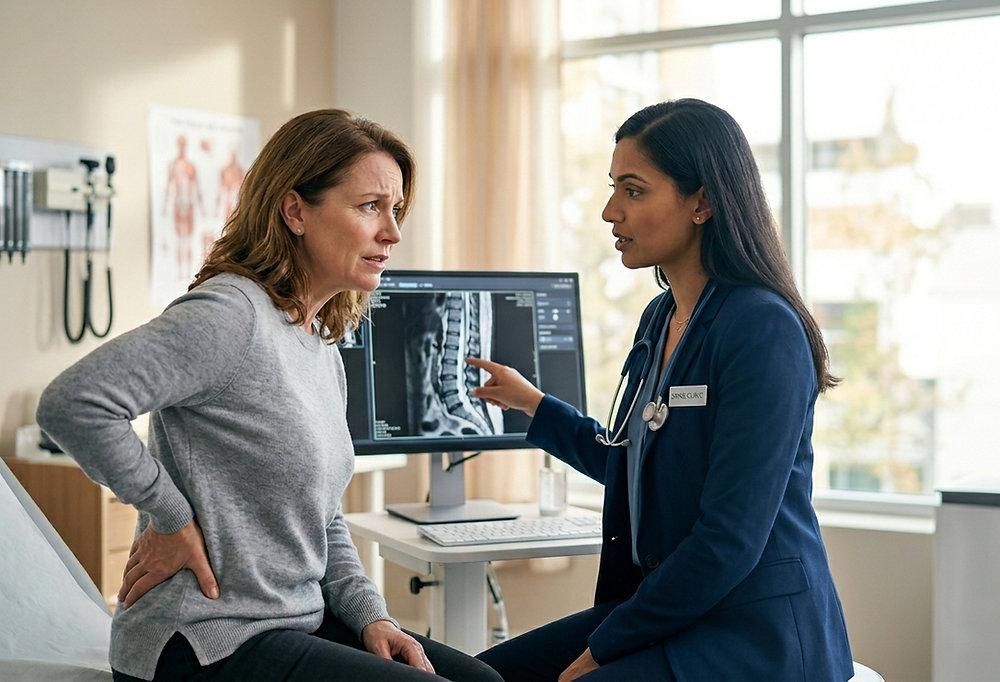
- Medical History & Symptom Assessment: Your doctor reviews your bowel patterns, dietary habits, duration of symptoms, family medical background, and past treatments.
- Visual Inspection & Digital Rectal Examination (DRE): The doctor inspects the external perianal area for skin tags, tears, or fistula openings. Using a lubricated, gloved finger, the surgeon gently examines the interior anal canal to evaluate muscle tone and check for internal swelling.
- High-Definition Diagnostic Anoscopy: An anoscopy is a quick, pain-free outpatient test. The doctor gently inserts a short, illuminated scope into the anal canal to view internal tissues clearly on a screen, identifying internal piles, fissures, or local inflammation.
- 3D Pelvic MRI Fistulogram: For suspected complex or deep anal fistulas, a 3D pelvic MRI is performed. This imaging provides a complete anatomical map of the fistula tract, secondary side branches, and surrounding anal sphincter muscles.
- Diagnostic Colonoscopy: For patients over 45, those with a family history of colonic disease, or those presenting with dark blood, a colonoscopy evaluates the entire colon to rule out polyps or inflammatory bowel disease.
5. Modern Sphincter-Preserving Laser Treatments in Hyderabad
Treatment strategies have evolved significantly, shifting away from painful open cutting surgeries toward minimally invasive, sphincter-preserving procedures:
A. Laser Hemorrhoidoplasty (LPH) for Piles
Under short general or spinal anesthesia, the surgeon passes a specialized optical fiber connected to a 1470 nm diode laser console directly into the core of the swollen internal pile mass.
- Radial laser energy photothermalizes the internal blood vessels, cutting off blood supply immediately.
- The pile mass shrinks internally without open cuts or skin stitches.
- Over 2 to 4 weeks, the body naturally reabsorbs the shrunk tissue, while internal scarring firmly anchors the mucosal lining back to the rectal wall.
B. Laser Fissurectomy for Anal Fissures
For chronic anal fissures that fail to heal with ointments:
- Controlled laser energy gently vaporizes the unhealthy scar tissue lining the edges of the split.
- The laser thermal energy relaxes hyperactive internal anal sphincter muscle spasms without cutting muscle fibers.
- Pain drops immediately, allowing healthy new skin to cover the tear completely within days.
C. FiLaC (Fistula-Tract Laser Closure) for Anal Fistulas
For anal fistulas:
- A flexible 360-degree radial laser fiber is passed through the external skin opening into the fistula tunnel.
- Controlled laser energy photothermalizes the internal epithelial lining as the fiber is slowly pulled back.
- The tunnel walls collapse and seal shut naturally without open surgical cuts or sphincter muscle damage, preserving 100% of bowel control.
D. Laser Treatment for Pilonidal Sinus (SILAC)
A flexible laser probe is introduced into the pilonidal sinus tract to vaporize chronic granulation tissue, hair debris, and sinus walls, sealing the sinus from the inside without large open wounds.
6. Detailed Method Comparison
Comparing procedural features helps patients understand why modern proctology favors laser techniques over traditional open cutting:
Traditional Open Cutting Surgery
- Primary Mechanism: Physical surgical cutting and removal of affected tissue using a scalpel or scissors.
- Wound Profile: Large open surgical wounds or deep stitch lines in sensitive skin zones.
- Post-Operative Pain Level: Severe pain requiring strong prescription pain medications and daily wound dressings.
- Hospital Stay Duration: 2 to 4 days inpatient stay.
- Recovery and Return to Work: 3 to 6 weeks required for wound healing.
- Sphincter Muscle Integrity: Risk of muscle cut or strain if cuts are deep, with potential incontinence risks.
- Daily Wound Packing: Requires daily warm sitz baths and sterile ribbon gauze packing for weeks.
Modern Laser Proctology
- Primary Mechanism: Submucosal photothermal tissue coagulation and shrinkage using a 1470 nm radial diode laser.
- Wound Characteristics: Stitchless procedure with no open skin cuts.
- Post-Operative Pain Level: Minimal to very mild discomfort easily managed with mild oral medications.
- Hospital Stay Duration: Same-day daycare discharge within 4 to 6 hours.
- Recovery and Return to Work: 2 to 4 days to resume regular desk work and daily light activities.
- Sphincter Muscle Integrity: 100% sphincter muscle preservation with zero muscle cutting.
- Daily Wound Packing: No open wounds to pack; simple hygiene and routine warm sitz baths.
7. Cost Breakdown of Anorectal Disorder Treatment in Hyderabad
The overall cost of treating anorectal disorders in Hyderabad depends on the specific condition (piles, fissure, fistula, or pilonidal sinus), procedure type (laser, stapled, or open surgery), hospital classification, room category, and insurance coverage.
Vivekananda Hospital
Price Estimates in Hyderabad
- Senior Proctologist Consultation Fee: ₹600 to ₹1,200 per visit across premier clinics in Jubilee Hills, Banjara Hills, HITECH City, and Gachibowli.
- Diagnostic Anoscopy / Sigmoidoscopy: ₹2,500 to ₹5,500.
- 3D Pelvic MRI Fistulogram: ₹4,500 to ₹8,500.
- Laser Piles Surgery (Laser Hemorrhoidoplasty – Daycare): ₹35,000 to ₹80,000. Vivekananda Hospital
- Laser Fissure Surgery (Daycare Package): ₹40,000 to ₹75,000. Vivekananda Hospital
- Laser Fistula Surgery (FiLaC – Daycare Package): ₹45,000 to ₹85,000. Vivekananda Hospital
- Stapled Hemorrhoidopexy (MIPH with Circular Stapler Kit): ₹65,000 to ₹95,000.
- Conventional Open / Closed Surgical Procedures: ₹30,000 to ₹60,000. Yashoda Hospital
- Pre-Operative Diagnostics (Blood tests, ECG, Anesthesia clearance): ₹3,000 to ₹5,000.
- Post-Operative Medications and Recovery Supplies: ₹1,500 to ₹3,500.
Health Insurance Approvals & Cashless Support
- Medically Necessary Coverage: Anorectal disorder procedures are recognized as medically necessary healthcare services covered under private health insurance policies, corporate health cards, CGHS, and cashless TPA desks. Vivekananda Hospital
- Daycare Processing: Modern laser proctology procedures take less than 30 minutes and require only a 4-to-6-hour recovery stay. Insurance providers process these under 24-Hour Daycare Approvals, eliminating mandatory overnight stays.
- Financing Options: Many surgical centers partner with healthcare financing providers (such as Bajaj Finserv or GMoney) to offer zero-interest monthly installment (EMI) options for out-of-pocket expenses. Lux Hospitals
8. Step-by-Step Surgical Journey: What to Expect
Undergoing modern laser treatment for an anorectal disorder follows a structured, comfortable care path:
- Step 1: Specialist OPD Consultation: Your proctologist performs a physical examination and anoscopy to evaluate your symptoms, verify diagnosis, and select the best treatment approach.
- Step 2: Pre-Operative Health Clearance: Routine blood tests (complete blood count, blood sugar, coagulation profile), viral markers, and an ECG are completed for anesthesia safety.
- Step 3: Daycare Hospital Admission: You arrive at the hospital in the morning after fasting overnight. A mild fleet enema is administered to clear stool from the lower rectum.
- Step 4: Surgical Procedure in the Operating Room: Under short general or spinal anesthesia, the surgeon uses the advanced laser system to treat the affected area in 20 to 30 minutes without cuts or stitches.
- Step 5: Recovery Lounge and Discharge: You rest in the recovery lounge for 4 to 6 hours, enjoy light fluids, walk comfortably, pass urine, receive home care instructions, and return home the same afternoon.
- Step 6: Home Recovery and Return to Work: You take mild oral pain relievers and stool softeners, practice warm sitz baths, eat high-fiber meals, and return to light office desk work within 2 to 4 days.
9. Post-Treatment Recovery, Warm Sitz Baths, and Daily Prevention
Following proper aftercare instructions ensures smooth tissue healing and prevents anorectal disorders from recurring:
Warm Sitz Bath Protocol
A sitz bath involves soaking your perianal area in warm water to relax muscles and accelerate tissue healing.
- How to do it: Fill a sitz bath basin or clean tub with 3 to 4 inches of warm water (38°C to 40°C). Sit comfortably in the water for 10 to 15 minutes, 2 to 3 times daily (and immediately after every bowel movement).
- Why it helps: Warm water relaxes tight anal sphincter muscle spasms, cleanses the perianal area gently without rough paper wiping, improves blood flow, and calms swelling.
- Drying Method: Gently pat the skin dry using a soft microfiber towel or a hair dryer set on the “cool air” setting. Never rub the area roughly.
Dietary Guidelines for Soft Bowel Movements
- High Soluble Fiber Foods: Eat fiber-rich foods daily, such as papaya, ripe bananas, apples, oats, chia seeds, flaxseeds, steamed vegetables, lentils, and yellow moong dal.
- Optimal Hydration: Drink at least 3 to 4 liters of clean water daily to keep stool soft, hydrated, and bulky.
- Foods to Avoid: Stay away from spicy curries, raw green/red chilies, deep-fried snacks, refined wheat flour (maida), fast foods, heavy meat gravies, excessive caffeine, and alcohol.
Healthy Toilet Habits and Ergonomics
- Never Strain on the Toilet: Do not push hard during bowel movements. Let your bowels move naturally. If you cannot pass stool within 3 to 5 minutes, step away from the toilet and return when the urge naturally recurs.
- Limit Bathroom Time: Keep toilet visits brief. Do not bring smartphones, tablets, or reading materials into the bathroom.
- Use a Toilet Footstool: Placing a 7-to-9-inch footstool under your feet while using a Western toilet elevates your knees to a 35-degree squatting angle. This relaxes the puborectalis muscle and aligns the rectum for effortless stool passage.
- Avoid Heavy Lifting: Avoid lifting heavy gym weights or doing intense core exercises for 2 to 3 weeks after surgery to protect healing pelvic tissues.
Frequently Asked Questions (15 Clinical & Practical FAQs)
1. What are the most common anorectal disorders?
The most common anorectal disorders include Piles (Hemorrhoids), Anal Fissures, Anal Fistulas, Perianal Abscesses, Pilonidal Sinuses, and Rectal Prolapse. These conditions affect the lower rectum and anal canal, causing symptoms like bleeding, pain, swelling, or pus discharge.
2. What causes anorectal disorders in urban adults?
Common causes include chronic constipation, pushing hard during bowel movements, prolonged sitting on toilets (often due to smartphone use), low fiber intake, drinking insufficient water, sedentary desk jobs, obesity, pregnancy, and chronic diarrhea.
3. How much does anorectal disorder treatment cost in Hyderabad?
The cost of treatment ranges between ₹30,000 and ₹1,20,000 in Hyderabad depending on the condition, complexity, and technology used. Outpatient care or minor procedures range from ₹30,000 to ₹45,000, daycare laser surgeries for piles, fissures, or fistulas range between ₹45,000 and ₹85,000, while complex multi-tract fistulas or stapled surgeries cost up to ₹1,20,000.
CARE Hospitals+ 1
4. Why is laser proctology preferred over traditional surgery?
Laser proctology is a stitchless, minimal-access technique. Unlike traditional open surgery that cuts sensitive skin and muscle tissue, laser treatment photothermalizes affected areas from within without open cuts. This results in minimal pain, zero muscle damage, negligible bleeding, same-day daycare discharge, and a quick return to work within 2 to 4 days.
Vivekananda Hospital
5. What is the difference between piles, fissures, and fistulas?
Piles are swollen blood vessels in the rectum causing painless bright red bleeding or tissue prolapse. Fissures are sharp tears in the anal lining causing severe burning pain during bowel movements. Fistulas are abnormal infected tunnels connecting an internal crypt gland to an external skin opening, causing continuous pus or blood drainage.
6. Is laser proctology surgery painful?
No. Laser surgery is performed under short anesthesia, making the operation completely pain-free. After surgery, patients experience very mild discomfort because there are no open wounds, cuts, or stitches in pain-sensitive skin zones.
7. How long is the hospital stay for laser anorectal treatment in Hyderabad?
Laser proctology procedures are typically performed as daycare admissions. Patients arrive in the morning, undergo the 20-to-30-minute procedure, rest for 4 to 6 hours, and return home the same afternoon or evening.
8. How soon can I return to work after laser proctology treatment?
Most patients return to daily office desk work and light routine activities within 2 to 4 days post-laser treatment, compared to 3 to 6 weeks required for open surgical wound healing.
9. Are anorectal disorder treatments covered by health insurance in India?
Yes. Medically necessary treatments—including Laser Hemorrhoidoplasty, Laser Fissurectomy, FiLaC laser fistula surgery, and traditional surgeries—are standard covered benefits under private health insurance, corporate group plans, CGHS, and cashless TPA desks across empaneled hospitals.
Vivekananda Hospital
10. Is a 3D MRI Fistulogram necessary before fistula treatment?
Yes. A 3D pelvic MRI Fistulogram is essential before fistula treatment. It maps the exact pathway of the main tract, uncovers secondary side branches or blind abscess cavities, and measures sphincter muscle involvement to prevent recurrence.
11. Can home remedies cure anorectal disorders completely?
Home remedies—such as high-fiber diets, softeners, and warm sitz baths—can ease temporary swelling, soften stool, and manage mild early-stage symptoms. However, structural issues like prolapsed piles, chronic fissures, or infected fistulas require professional medical evaluation and laser closure for a complete cure.
12. What is a warm sitz bath and why is it recommended?
A sitz bath involves soaking your hips and perianal region in warm water for 10 to 15 minutes, 2 to 3 times daily. It relaxes tight anal sphincter muscle spasms, cleanses the area gently without rough paper wiping, improves blood circulation, and speeds up tissue healing.
13. What dietary changes prevent anorectal disorders?
Eat soluble and insoluble fiber-rich foods like papaya, oats, apples, leafy greens, lentils, and chia seeds daily. Drink at least 3 to 4 liters of water every day to keep stool soft. Avoid spicy dishes, deep-fried foods, refined flour (maida), caffeine, and alcohol.
14. What is the risk of fecal incontinence with laser proctology?
The risk of fecal incontinence with laser proctology is negligible (less than 1%). Because laser light energy targets only the affected disease tissue internally without cutting or damaging the internal or external anal sphincter muscles, normal bowel control is completely preserved.
15. How do I choose the best hospital for anorectal disorder treatment in Hyderabad?
Select NABH-accredited facilities featuring dedicated 1470 nm diode laser proctology suites, experienced board-certified colorectal surgeons or proctologists (MS/DNB/MCh), transparent package pricing, and 24-hour cashless insurance claim processing desks.
Leave a Reply