
Table of Contents
Second Trimester Checkup in Vizag | Vedanta Speciality Clinics
The second trimester of pregnancy, spanning from week 14 to week 27, is often called the “golden period” of pregnancy. For most expecting mothers, early morning sickness begins to fade, energy levels return, and the first gentle flutters of fetal movement begin. However, while the second trimester feels physically more comfortable, it is a crucial phase for fetal growth, organ formation, and maternal metabolic adjustments. Scheduling a routine second trimester checkup in Vizag ensures that both mother and baby receive essential diagnostic evaluations during these key 14 weeks.
Located in Madhurawada, Visakhapatnam, Vedanta Speciality Clinics—under the expert guidance of Dr. Devani Chalamuri—offers comprehensive second-trimester care. Serving mothers and families across Madhurawada, PM Palem, MVP Colony, Health City Arilova, Siripuram, Maharani Peta, and Gajuwaka, our clinic combines advanced fetal diagnostic screening with compassionate maternal care. From detailed Level II anomaly scans (TIFFA) and gestational diabetes testing to routine blood pressure and anemia checks, regular checkups protect your pregnancy every step of the way.
This complete medical guide covers everything you need to know about second trimester checkups in Visakhapatnam, including diagnostic scan schedules, blood tests, symptom management, regional lifestyle advice, cost estimations, and 15 frequently asked questions.

1. What is the Second Trimester and Why is It So Important?
The second trimester begins at week 14 and continues until the end of week 27. During this time, the baby develops from a small embryo into a fully formed fetus with functioning organ systems, distinct facial features, working reflexes, and active movement patterns.
Key Fetal Developmental Milestones
- Weeks 14 to 17 (Rapid Growth and Bone Formation): The baby grows rapidly in size. Bones begin to harden, facial muscles allow small expressions, and the external genitalia become visually clear on ultrasound.
- Weeks 18 to 22 (Organ Completion and Quickening): All major internal organs, including the brain, heart, kidneys, stomach, and spine, complete structural formation. Mothers usually feel quickening—the baby’s first light movements—during this window.
- Weeks 23 to 27 (Hearing, Lung Development, and Patterns): The baby responds to sounds, develops sleep and wake cycles, produces lung surfactant, and opens their eyes.
Maternal Physiological Changes
While the second trimester brings renewed energy, the mother’s body undergoes significant physical adaptations:
- The uterus expands upward into the abdominal cavity, making the pregnancy bump visible.
- Total blood volume increases by nearly 40 to 50 percent to nourish the placenta, which can dilute red blood cells and cause physiological anemia.
- Estrogen and placental hormones alter insulin sensitivity, making glucose screening essential between weeks 24 and 28.
- Weight gain accelerates as the baby, placenta, and amniotic fluid grow.
2. Essential Tests and Ultrasound Scans in the Second Trimester
A second trimester checkup involves specific blood tests, urine checks, and diagnostic ultrasound scans. Each test checks a specific part of maternal health or fetal structural development.
Targeted Level II Anomaly Scan (TIFFA Scan)
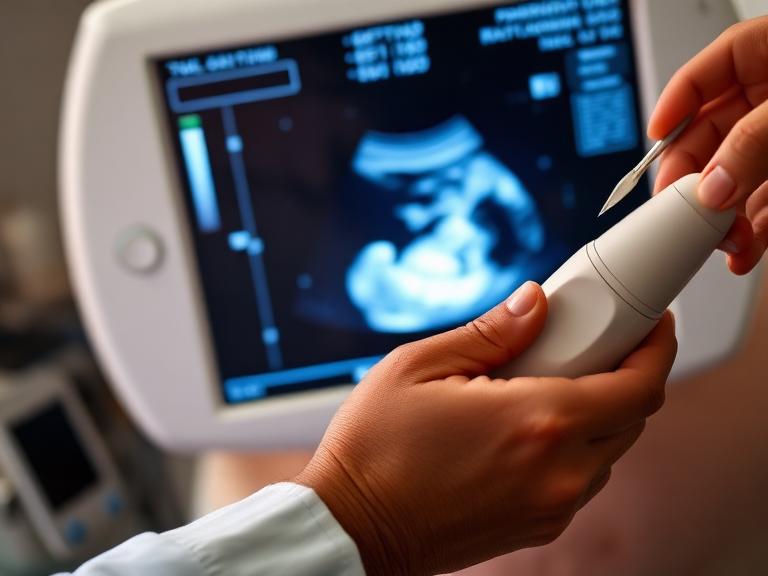
Performed between weeks 18 and 22, the Level II Anomaly Scan (also known as the TIFFA scan or anomaly scan) is the most important ultrasound of the second trimester. It is a detailed, organ-by-organ structural audit performed using high-resolution ultrasound imaging.
- Brain and Spine: Checks the brain ventricles, cerebellum, and neural tube closure to rule out spina bifida.
- Heart and Chest: Evaluates all four heart chambers, major blood vessels, outflow tracts, and lung placement.
- Abdomen and Kidneys: Confirms the stomach bubble, presence of both kidneys, bladder filling, and intact abdominal wall.
- Face and Limbs: Checks for cleft lip, evaluates nose profile, and counts finger and toe structures in both arms and legs.
- Placenta and Amniotic Fluid: Assesses placental location (checking for low-lying placenta or placenta previa) and measures amniotic fluid volume.
Cervical Length Measurement Scan
During the TIFFA scan, the doctor measures cervical length using transvaginal ultrasound. A short cervix (under 25 millimeters) indicates a risk of cervical weakness or premature labor, allowing doctors to provide early preventive support like progesterone or cervical cerclage placement.
Fetal Echocardiography
For high-risk pregnancies—such as mothers with pregestational diabetes, IVF conception, family history of heart defects, or abnormal NT scan results—a specialized fetal echocardiogram is performed between weeks 18 and 24 to examine fetal heart valves and blood flow patterns.
Oral Glucose Tolerance Test (OGTT) for Gestational Diabetes
Between weeks 24 and 28, every pregnant mother undergoes screening for Gestational Diabetes Mellitus (GDM). The standardized 75-gram Oral Glucose Tolerance Test (OGTT) or DIPSI test measures how effectively the body processes sugar under placental hormone influence.
- Fasting blood sugar is checked first after an overnight fast.
- The mother drinks a liquid glucose solution containing 75 grams of glucose.
- Blood samples are drawn after 1 hour and 2 hours to measure glucose clearance rates.
Routine Blood and Urine Panels
- Complete Blood Count (CBC): Checks hemoglobin and hematocrit levels to detect second-trimester anemia caused by blood volume expansion.
- Serum Ferritin Audit: Evaluates iron storage levels in the liver and bone marrow to guide oral or intravenous iron treatment.
- Thyroid Panel (TSH): Rechecks Thyroid-Stimulating Hormone levels to adjust thyroid medication dosages.
- Complete Urine Examination (CUE): Checks for asymptomatic urinary tract infections (UTIs) or early protein loss in urine.
3. What Happens During a Second Trimester Checkup Visit?
At Vedanta Speciality Clinics in Madhurawada, a second trimester follow-up checkup is designed to be comfortable, thorough, and reassuring. Here is what happens during a standard visit:
Step 1: Vital Signs and Weight Tracking
The nursing staff logs your weight gain trajectory and measures blood pressure in a seated position. Tracking blood pressure at every visit allows early detection of gestational hypertension or preeclampsia before symptoms appear.
Step 2: Abdominal Examination and Fundal Height
Dr. Devani Chalamuri examines your abdomen to check uterine growth. Measuring symphysio-fundal height (the distance in centimeters from the pubic bone to the top of the uterus) verifies that the baby is growing at an appropriate rate for gestational age.
Step 3: Fetal Heart Rate Listening
Using a handheld acoustic Doppler device, the doctor listens to the baby’s heartbeat ($110\text{ to }160\text{ beats per minute}$), letting you hear your baby’s pulse.
Step 4: Diagnostic Report Review
The doctor reviews recent lab test results, such as your TIFFA scan report, OGTT blood sugar readings, complete blood counts, and thyroid panels. If any value requires adjustment, medication or dietary guidance is updated immediately.
Step 5: Counseling and Symptom Management
The visit concludes with time to discuss any physical discomforts you may be experiencing, such as back pain, leg cramps, heartburn, or sleep changes, ensuring all your questions are answered.
4. Common Second Trimester Symptoms and How to Manage Them
While the second trimester is generally comfortable, rapid bodily growth can cause mild physical symptoms. Understanding how to handle them keeps you comfortable and relaxed.
Backaches and Pelvic Pressure
As the uterus grows forward, your center of gravity shifts, putting extra strain on the lower back and pelvic joints.
- Management: Wear supportive, low-heeled footwear, avoid sitting or standing for long periods without breaks, maintain posture, and apply warm compresses to lower back muscles.
Round Ligament Pain
Sharp, pulling pains in the lower abdomen or groin occur when the round ligaments supporting the uterus stretch during movement or position shifts.
- Management: Avoid sudden jerky movements, bend at the hips when coughing or sneezing, and rest on your side with a supportive pillow between your knees.
Heartburn and Acid Reflux
Progesterone relaxes the sphincter muscle between the stomach and esophagus, while the expanding uterus presses against the stomach, causing digestive reflux.
- Management: Eat small, frequent meals every 2 to 3 hours, avoid fried, spicy, or heavy foods, refrain from lying down immediately after eating, and drink water between meals rather than during meals.
Leg Cramps and Swelling
Mild swelling in the feet and ankles along with nighttime calf cramps can occur due to slowed venous blood flow from the lower body.
- Management: Elevate your feet whenever sitting, avoid crossing your legs, perform gentle ankle circles, stay well-hydrated, and discuss calcium or magnesium supplements with your doctor.
5. High-Risk Triage and Prevention in the Second Trimester
Some mothers require closer monitoring during the second trimester due to pre-existing medical conditions or developing complications. Under the care of Dr. Devani Chalamuri at Vedanta Speciality Clinics, personalized high-risk care plans protect maternal and fetal health.
Preeclampsia Screening and Prevention
Preeclampsia is a condition characterized by high blood pressure and protein in the urine after 20 weeks of pregnancy. Mothers with high baseline risk factors (such as chronic hypertension, kidney disease, twin pregnancy, or preeclampsia in a previous pregnancy) are prescribed low-dose aspirin starting before week 16 to support healthy placental blood flow. Regular blood pressure checks and urine protein tests are performed at every visit.
Gestational Diabetes Management
If your 75g OGTT test indicates gestational diabetes, care begins with Medical Nutrition Therapy (MNT). You will follow a customized meal plan that controls complex carbohydrate intake, increases dietary fiber, and includes daily 30-minute walks. Blood sugar levels are checked four times daily (fasting and after main meals). If diet and activity alone do not achieve target glucose goals, insulin therapy is safely initiated.
Cervical Insufficiency and Preterm Labor Prevention
Mothers with a history of second-trimester pregnancy loss, cervical surgery, or a short cervix found on ultrasound are monitored with bi-weekly transvaginal scans. Treatment options include vaginal progesterone support or a cervical cerclage (a minor surgical stitch placed around the cervix to keep it closed until full term).
Fetal Growth Monitoring
If ultrasound biometry shows that fetal growth is slowing (falling below the 10th percentile for gestational age), serial color Doppler scans are ordered to evaluate blood flow in the umbilical artery and middle cerebral artery, confirming that the baby receives adequate oxygen and nutrients.
6. Local Healthcare Infrastructure in Visakhapatnam
Visakhapatnam features an integrated maternal healthcare system, connecting neighborhood specialty clinics with advanced tertiary hospitals equipped with Level III and Level IV Neonatal Intensive Care Units (NICU).
Primary Healthcare Hubs Across Vizag
- Madhurawada and PM Palem Corridor (North Vizag Hub): As the primary residential and IT corridor in North Vizag, Madhurawada provides direct access to women’s healthcare. Vedanta Speciality Clinics, located in Madhurawada under Dr. Devani Chalamuri, offers expert second-trimester checkups, Level II anomaly scan reviews, gestational diabetes care, routine blood panels, and birth planning without requiring long commutes into central city traffic.
- Health City, Arilova (Tertiary Specialty Zone): Located 10 to 15 minutes from Madhurawada via the BRTS corridor, Health City Arilova acts as the regional referral hub for tertiary birthing care. Major facilities include BirthRight by Rainbow Children’s Hospital (advanced fetal medicine units, Level IV NICU), Apollo Health City, and CARE Hospitals. These centers handle extreme prematurity, complex fetal surgeries, and adult ICU support.
- Central Vizag Hubs (Siripuram, Maharani Peta, and Jagadamba): The traditional medical core of Visakhapatnam includes Lotus Hospitals for Women and Children (Siripuram), Medicover Woman and Child Hospital (Maharani Peta / Jagadamba), Seven Hills Hospital, and CARE Hospitals (Ram Nagar). These centers feature senior female obstetricians, luxury birthing suites, blood bank access, and round-the-clock emergency care.
- Gajuwaka and Sheela Nagar (Industrial Corridor Hub): Serving South Vizag’s industrial and port belt, major facilities like KIMS Cuddles / KIMS ICON Hospital (Sheela Nagar) offer maternity delivery suites, Level III NICUs, and emergency obstetric triage.
7. Coastal Climate and Lifestyle Guidelines for Vizag Mothers
Living in Visakhapatnam requires adjusting daily wellness habits to account for the local coastal weather and regional nutrition:
Hydration in Coastal Humidity
Vizag’s elevated coastal humidity accelerates fluid loss through perspiration. Dehydration can cause fatigue, trigger false labor contractions (Braxton Hicks), or lower amniotic fluid volume (oligohydramnios). Expectant mothers should drink 3 to 3.5 liters of daily fluids, incorporating fresh tender coconut water (Letha Kobbari Bondam) and homemade buttermilk (Majjiga).
Nutritional Balance with Regional Foods
Incorporate iron- and calcium-dense regional foods such as finger millet (Ragi malt), dark leafy greens (Gongura, Thotakura), lentils, dates, jaggery, and thoroughly cooked, low-mercury local marine fish (rich in Omega-3 fatty acids).
Physical Activity along Coastal Promenades
Enjoying brisk walks along cool beach promenades (such as RK Beach, Tenneti Park, or quiet green residential areas in Madhurawada) during early morning hours provides gentle, low-impact exercise that supports pelvic strength and mood balance.
Commute Stress Reduction
Long commutes across high-density traffic stretches (such as the NH-16 Hanumanthavaka to Maddilapalem junction or Gajuwaka stretches) cause physical fatigue and back strain. Expectant mothers in North Vizag are encouraged to utilize local neighborhood clinics—such as Vedanta Speciality Clinics in Madhurawada—for routine checkups and blood work to avoid travel stress.
8. Cost Breakdown for Second Trimester Services in Vizag
Understanding average pricing for consultations, diagnostic panels, and ultrasound scans across Visakhapatnam helps families plan their medical budgets effectively:
- Senior Obstetric OPD Consultation (Vedanta Speciality Clinics): ₹400 to ₹1,200 per visit (Includes clinical history review, physical vitals check, fundal height check, Doppler heartbeat check, and prescription).
- Follow-Up Consultation (Within 7 to 10 Days): ₹200 to ₹500 (Report analysis, medication adjustment, and progress audit).
- Targeted Level II Anomaly Scan (TIFFA Scan): ₹2,800 to ₹5,200 (Detailed high-resolution organ-by-organ structural examination).
- Cervical Length Transvaginal Scan: ₹1,200 to ₹2,200 (Measures cervical length to evaluate preterm labor risk).
- Fetal Echocardiogram: ₹2,800 to ₹5,000 (Detailed ultrasound assessment of fetal cardiac structures and valves).
- 75-Gram Oral Glucose Tolerance Test (OGTT): ₹400 to ₹800 (Screening for gestational diabetes between weeks 24 and 28).
- Routine Second-Trimester Blood Panel (CBC + Ferritin + TSH): ₹1,200 to ₹2,500 (Rechecks hemoglobin, iron reserves, and thyroid balance).
- Fetal Color Doppler Ultrasound Scan: ₹2,200 to ₹4,200 (Evaluates blood flow velocity in umbilical and middle cerebral arteries).
Frequently Asked Questions (15 FAQs)
1. What weeks are included in the second trimester of pregnancy?
The second trimester begins at week 14 and continues through the end of week 27 of gestation.
2. How often should I attend checkups during the second trimester?
Routine checkups are scheduled once every 4 weeks during the second trimester (from week 14 to week 28). If you have a high-risk condition, your doctor may recommend more frequent visits.
3. What is the most important ultrasound scan during the second trimester?
The Targeted Level II Anomaly Scan (TIFFA scan), performed between weeks 18 and 22, is the most critical ultrasound. It performs a detailed anatomical evaluation of all fetal organs, spine, brain, face, heart, placenta, and amniotic fluid.
4. When will I feel my baby move for the first time?
First-time mothers usually feel their baby’s first movements (quickening) between weeks 18 and 22. Mothers who have had a previous pregnancy may feel movement slightly earlier, around weeks 16 to 18.
5. Why is screening for Gestational Diabetes (GDM) done between weeks 24 and 28?
Placental hormones (such as Human Placental Lactogen) peak during the second trimester, increasing maternal insulin resistance. Testing between weeks 24 and 28 ensures early detection and treatment of gestational diabetes.
6. How is the 75g Oral Glucose Tolerance Test (OGTT) conducted?
You fast overnight for 8 to 10 hours, have a fasting blood sample drawn, drink a 75g glucose liquid solution, and then have blood samples drawn at 1 hour and 2 hours to measure blood sugar processing.
7. What services does Vedanta Speciality Clinics in Madhurawada offer during the second trimester?
Vedanta Speciality Clinics, led by Dr. Devani Chalamuri, provides second-trimester checkups, TIFFA scan reviews, gestational diabetes management, thyroid care, anemia tracking, nutrition guidance, and birth planning.
8. What is a short cervix, and why is it monitored?
A short cervix (measuring less than 25 mm on transvaginal ultrasound) indicates an increased risk of premature cervical dilation and early delivery. Detecting it early allows preventive treatments like progesterone support or a cervical cerclage stitch.
9. Why is checking blood pressure at every second-trimester visit necessary?
Routine blood pressure tracking allows early identification of preeclampsia or gestational hypertension after 20 weeks, protecting maternal and fetal health before dangerous complications develop.
10. How can I relieve back pain during the second trimester?
Maintain good posture, wear supportive flat footwear, avoid sitting or standing for long periods without breaks, rest on your side with a pillow between your knees, and use warm compresses for tight lower back muscles.
11. Is elevated hunger normal during the second trimester?
Yes. As morning sickness resolves and the baby grows rapidly, your appetite naturally increases. Focus on nutrient-dense foods rich in protein, complex carbohydrates, iron, and calcium rather than empty sugary calories.
12. What hemoglobin level indicates anemia during the second trimester?
According to medical guidelines, a hemoglobin level below 10.5 g/dL during the second trimester indicates gestational anemia (reflecting peak blood volume expansion) and requires oral or intravenous iron supplementation.
13. How should expecting mothers handle Vizag’s coastal heat and humidity?
Drink 3 to 3.5 liters of daily fluids (water, tender coconut water, buttermilk), avoid direct sunlight during peak heat hours (11 AM to 3 PM), and wear breathable, loose cotton clothing to prevent dehydration.
14. What warning signs in the second trimester require immediate emergency medical care?
Seek immediate emergency medical attention if you experience fluid leakage, vaginal bleeding or spotting, severe cramping or pelvic pressure, painful contractions, severe persistent headache with blurred vision, or a sudden decrease in fetal movement after week 24.
15. How do I book an appointment with Dr. Devani Chalamuri at Vedanta Speciality Clinics?
You can book an appointment with Dr. Devani Chalamuri by calling or messaging +91 81257 65888, or by visiting Vedanta Speciality Clinics in Madhurawada, Visakhapatnam.



Leave a Reply