
Table of Contents
Top Skin Doctor in Hyderabad | Dr. Showrya Gadde
Skin is the human body’s largest organ, acting as a vital barrier against physical stress, UV radiation, pathogenetic microbes, and ambient pollution. Yet, when skin health suffers—whether due to persistent acne breakouts, unexplained hair fall, recalcitrant hyperpigmentation, or inflammatory rashes—finding the right medical professional becomes a crucial priority.
If you are actively looking for a qualified skin doctor in Hyderabad, navigating through self-proclaimed skincare influencers, salon treatments, and viral home remedies can feel overwhelming. True, sustainable skin health cannot be achieved through cosmetic quick fixes. It requires precise medical diagnosis, an understanding of underlying systemic biology, and evidence-based interventions supervised by a qualified clinical practitioner.
At Dr. Showrya Gadde Dermatology & Wellness, located in Jubilee Enclave near HITEC City and Madhapur, clinical rigor meets modern aesthetic medicine. Led by Dr. Showrya Gadde (MBBS, DNB – Dermatology & Venereology, DVL), the clinic is dedicated to patient education, accurate medical evaluation, and individual care.
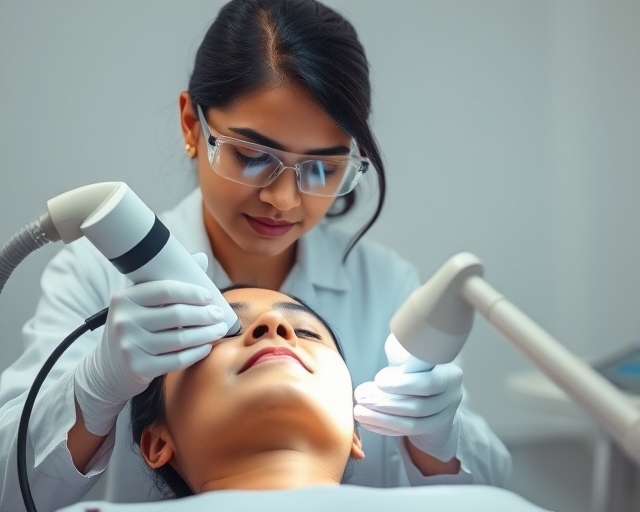
Direct Answer: What Is the Difference Between a Cosmetologist and a Medical Skin Doctor?
A skin doctor (dermatologist) is a licensed medical practitioner who has completed rigorous formal medical education (MBBS followed by an MD or DNB in Dermatology, Venereology, and Leprosy). They are legally and clinically trained to diagnose cutaneous diseases, perform biopsies, interpret lab work, prescribe controlled pharmaceuticals, and operate medical-grade equipment like lasers safely.
In contrast, a cosmetologist or beautician generally completes non-medical diploma courses or aesthetic training focused strictly on surface-level skin grooming, facials, and basic non-prescription care. For any underlying pathology (such as cystic acne, hormonal hair shedding, or suspicious moles), consulting a qualified medical skin doctor is necessary to prevent long-term tissue damage or misdiagnosis.
Why Hyderabad’s Environment Impact Your Skin and Hair
Living in a fast-expanding metro area like Hyderabad presents distinct environmental factors that directly affect cutaneous health. Patients in regions like Kondapur, Madhapur, Gachibowli, and HITEC City frequently exhibit recurring conditions influenced by the local environment:
1. Hard Water Mineral Precipitation
Hyderabad’s municipal and groundwater supplies often contain elevated levels of dissolved minerals, primarily calcium and magnesium salts. When used for daily cleansing:
- Minerals bind with facial cleansers and shampoos, leaving an insoluble film on the epidermis and scalp.
- This residue disrupts the natural cutaneous acid mantle (pH 4.5–5.5), compromising barrier function.
- Patients experience increased transepidermal water loss (TEWL), leading to dry, irritable skin, or compensatory oily skin and clogged pores.
- On the scalp, mineral buildup weakens hair shafts near the follicle, accelerating hair shedding and worsening scalp conditions like seborrheic dermatitis.
2. High Ambient UV Exposure & Heat Waves
Hyderabad experiences prolonged periods of intense ultraviolet radiation (UVA and UVB rays). UVB triggers direct DNA mutations and sunburns, while UVA penetrates deep into the dermis, generating reactive oxygen species (ROS). This causes:
- Melasma and Post-Inflammatory Hyperpigmentation (PIH): Especially common in melanin-rich South Asian skin types (Fitzpatrick Skin Types IV and V).
- Solar Elastosis: Premature breakdown of collagen and elastin fibers, leading to early wrinkles, sagging, and rough skin texture.
3. Urban Air Pollution and Particulate Matter
Particulate matter ($PM_{2.5}$ and $PM_{10}$), heavy metals, and motor exhaust suspended in urban air adhere to skin sebum. These pollutants generate oxidative stress, causing localized inflammation that exacerbates inflammatory acne, rosacea, and eczema flare-ups.
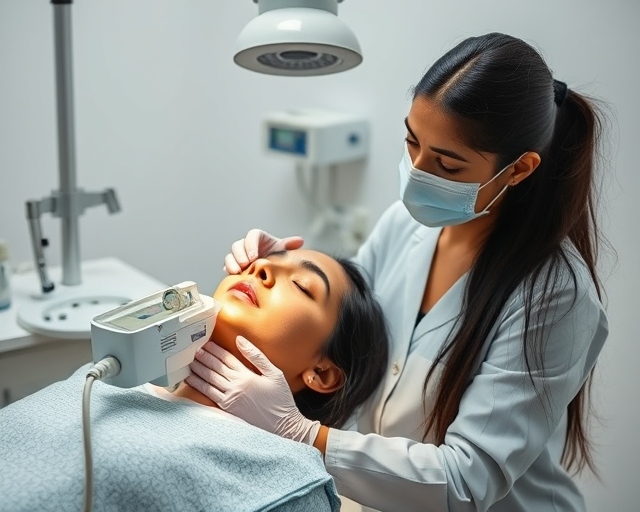
Causes and Concerns Diagnosed by a Medical Skin Doctor
A skin doctor evaluates dermatological issues by determining root internal and external triggers rather than treating visible symptoms alone.
[External Stressors: Dust, Pollution, UV]  \
[Internal Factors: Genetics, Hormones]    --> [Cutaneous Reaction] --> [Targeted Medical Strategy]
[Lifestyle Factors: Diet, Hard Water]     /
Chronic and Inflammatory Skin Conditions
- Acne Vulgaris & Hormonal Breakouts: Driven by Cutibacterium acnes colonization, excessive androgen-driven sebum production, and abnormal follicular keratinization.
- Hyperpigmentation & Melasma: Caused by melanocyte hyperactivity following UV exposure, thermal heat, hormonal shifts (such as polycystic ovary syndrome or pregnancy), or post-inflammatory repair.
- Eczema & Atopic Dermatitis: A compromised skin barrier function coupled with immune hypersensitivity, leading to chronic dry, intensely itchy patches.
- Psoriasis: An autoimmune skin disorder resulting in rapid skin cell turnover that forms thick, silvery, scaling plaques.
- Vitiligo: Autoimmune destruction of functional melanocytes, requiring early targeted immunomodulatory interventions.
Scalp and Hair Health (Trichology Concerns)
- Androgenetic Alopecia (Pattern Hair Loss): Genetically mediated hair follicle miniaturization triggered by dihydrotestosterone (DHT) in both men and women.
- Telogen Effluvium: Sudden, widespread hair shedding triggered by physiological stress, severe infections (e.g., dengue, COVID-19), iron deficiency, or rapid weight loss.
- Seborrheic Dermatitis: Inflammatory scaling driven by overgrowth of Malassezia yeast species on oily scalp regions.
Diagnostic Approach: How a Skin Doctor Identifies the Root Cause
When you schedule a consultation with a skin doctor in Hyderabad at Dr. Showrya Gadde Dermatology & Wellness, your appointment follows a step-by-step diagnostic process:
- Dermatological History Taking: Reviewing your symptoms, diet, work environment, sleep hygiene, skincare product history, and family medical background.
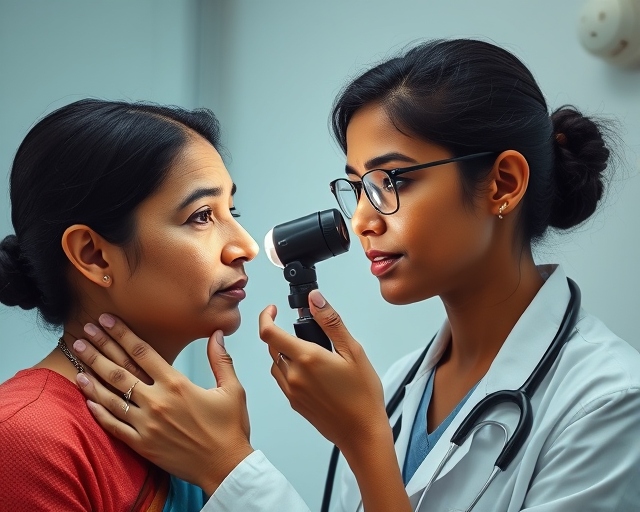
- Dermoscopy (Epiluminescence Microscopy): Using a specialized non-invasive magnifying lens with polarized light to evaluate pigment patterns, hair follicle density, miniaturization ratios, and vascular structures below the skin’s surface.
- Targeted Blood Work: Investigating potential underlying systemic factors, such as complete blood count (CBC), serum ferritin, Vitamin D3, Vitamin B12, thyroid profiles (TSH, Free T3/T4), and hormonal panels (Free Testosterone, DHEAS, LH/FSH ratios).
- Cutaneous Biopsy or Scrapings: When necessary for atypical lesions or persistent scaling rashes, performing minor KOH mounts for fungal identification or punch biopsies for histopathological analysis.
Core Services & Procedures Offered
Modern clinical dermatology integrates prescription medical regimens with procedural interventions for safe, effective outcomes.
1. Advanced Clinical Acne & Scar Management
Instead of relying on single therapies, effective scar management employs a multi-modal approach:
- Subcision: Releasing deep fibrous bands that pull down tethered rolling scars, allowing the skin bed to lift.
- Microneedling Radiofrequency (MNRF): Delivering controlled radiofrequency thermal energy into the deep dermis via insulated micro-needles to stimulate collagen remodeling without burning the upper skin layer.
- Chemical Peels: Utilizing controlled concentrations of Salicylic, Glycolic, Mandelic, or Lactic acids to clear comedones, control excessive oiliness, and fade post-acne dark marks.
2. Laser Therapies for Hair Reduction & Skin Toning
- Laser Hair Reduction (LHR): Utilizing US-FDA approved laser wavelengths (such as 1064 nm Nd:YAG or 810 nm Diode) specifically chosen for safety on Indian skin tones. The light selectively targets hair follicle melanin, damaging the growth center without damaging surrounding tissue.
- Laser Toning & Q-Switched Lasers: Fragmenting deep dermal melanin deposits into microscopic particles that are naturally cleared by the body’s lymphatic system.
3. Comprehensive Hair Restoration Protocols
- Growth Factor Concentrate (GFC) & Autologous Therapies: Processing high concentrations of growth factors derived from the patient’s own blood serum and injecting them into the scalp to nourish weakened hair follicles, improve blood flow, and extend the active growth phase (anagen phase).
- Medical Management: Utilizing evidence-based topical treatments (such as minoxidil), oral anti-androgens, and peptide serums under strict medical guidance.
4. Non-Surgical Aesthetic Maintenance
- Hyaluronic Acid Dermal Fillers: Restoring lost volume in mid-face structural planes, deep smile lines, or under-eye tear troughs.
- Neuromodulators (Botulinum Toxin): Relaxing hyperactive facial muscles to smooth out dynamic wrinkles like forehead lines, crow’s feet, and frown lines.
- Medical Hydration Facials (e.g., Signature HydraFacial): Deep exfoliation, extraction of impurities, and deep infusion of antioxidant serums tailored to your skin type.
Benefits, Safety, and Realistic Expectations
Medical dermatology focuses on achieving steady, health-focused improvements rather than instant, artificial fixes.
Benefits of Seeking Qualified Care
- Targeted Diagnostics: Eliminates guessing games and reduces money spent on unsuitable cosmetic products.
- Customized Prescriptions: Formulations are selected specifically for your skin phototype, barrier strength, and lifestyle.
- US-FDA Approved Technologies: Medical-grade machines deliver controlled, measurable energy parameters, minimizing the risk of burns or side effects.
- Long-Term Barrier Support: Preserves skin health while preventing premature aging or scar formation.
Understanding Limitations & Safety Standards
- No Instant Magic: Biological processes like skin cell renewal (28–40 days) and hair growth cycles (3–6 months) take time. Treatment regimens require patience and consistency.
- No “100% Guaranteed” Results: Human biology varies significantly between individuals. Responsible dermatologists avoid promising absolute perfection, focusing instead on achievable improvements.
- Temporary Side Effects: Minor redness, transient swelling, mild peeling, or slight pinpoint bruising can occur following procedures like chemical peels, laser sessions, or injections. These generally resolve within a few hours to a few days.
Pre-Care and Aftercare Instructions
To ensure safety and maximize procedural results, follow these standard clinical guidelines:
Pre-Procedure Guidance
- Avoid Active Ingredients: Discontinue potent active ingredients like retinoids, glycolic acid, salicylic acid, and benzoyl peroxide for 3 to 5 days prior to any laser, chemical peel, or microneedling treatment.
- Minimize Direct Sun Exposure: Avoid intense sun exposure, tanning, or outdoor activities without adequate protection for at least 7 days before your appointment.
- Hold Hair Removal Practices: Do not wax, thread, or pluck hair in the target area for 2 to 3 weeks before a laser hair reduction session, as the hair root must remain intact for the laser to target it effectively. Shaving, however, is allowed.
Post-Procedure Guidelines
- Strict Sun Protection: Apply a broad-spectrum, non-comedogenic sunscreen with SPF 30 or higher every morning. Reapply every 3 hours if outdoors.
- Gentle Cleansing Routine: Use a mild, soap-free, non-foaming cleanser for 3 to 5 days post-procedure. Avoid scrubbing or using abrasive loofahs.
- Barrier Support: Apply prescribed healing creams, ceramides, or pure hyaluronic acid to soothe skin and accelerate barrier recovery.
- Avoid Heat and Sweating: Skip heavy gym workouts, saunas, steam rooms, and hot showers for 24 to 48 hours following lasers, peels, or micro-injections to prevent excessive inflammation or infection.
Patient Care Approach at Dr. Showrya Gadde Dermatology & Wellness
Located at Jubilee Enclave in HITEC City, Hyderabad, Dr. Showrya Gadde Dermatology & Wellness provides personalized, science-based care for every individual.
Dr. Showrya Gadde’s philosophy centers on clear communication. Every consultation includes a detailed breakdown of your skin or hair condition, explaining the physiological causes, treatment choices, expected timelines, and realistic outcomes. Patients receive individualized treatment plans that match their specific lifestyle requirements and long-term health goals.
Frequently Asked Questions (FAQs)
1. How do I know if I should see a skin doctor or visit a beauty salon?
If you have an active skin eruption, persistent acne, severe hair loss, changing moles, intense itching, or unexplained rashes, you need a qualified skin doctor for a medical diagnosis. Beauty salons only offer superficial grooming and cannot legally diagnose diseases or prescribe treatments.
2. How much does a dermatological consultation cost in Hyderabad?
In Hyderabad, a specialist skin doctor consultation generally ranges from ₹600 to ₹1,000 depending on the physician’s qualifications, location, and clinic facilities. At Dr. Showrya Gadde Dermatology & Wellness, consultation fees are structured transparently.
3. What is the most effective treatment for persistent acne scars?
Because most patients have a combination of scar types (e.g., ice-pick, rolling, boxcar), a customized treatment plan combining subcision, Microneedling Radiofrequency (MNRF), TCA CROSS, and fractional laser resurfacing usually delivers the best structural improvement.
4. Why is my hair thinning so rapidly despite using expensive anti-fall shampoos?
Shampoos only clean the scalp surface and remain on the head for a few minutes; they cannot alter internal genetic, hormonal, or nutritional causes of hair fall. A skin doctor evaluates internal root causes through blood tests and dermoscopy to prescribe targeted treatments.
5. Is laser hair reduction permanent?
Laser hair reduction delivers long-term hair reduction (typically 80% to 90% density reduction). Remaining hairs become significantly finer, lighter, and slower-growing. Periodic touch-up sessions once or twice a year help maintain long-term results.
6. Are chemical peels safe for dark Indian skin tones?
Yes, when performed by a qualified skin doctor using appropriate peel formulations (like mandelic acid, lactic acid, or low-concentration glycolic acid). Problems occur primarily when strong peels are improperly applied by untrained individuals.
7. How can I manage pigmentation caused by Hyderabad’s intense sun?
Effective treatment includes daily broad-spectrum SPF 30+ sunscreen reapplication, physical sun protection (wide-brim hats, umbrellas), topical antioxidants (like Vitamin C or Ferulic Acid), and doctor-supervised depigmenting agents or laser toning.
8. Will taking oral retinoids (Isotretinoin) dry out my skin?
Isotretinoin reduces oil production to treat severe or treatment-resistant acne. Dry lips and temporary dryness of the skin are normal, expected effects. Your skin doctor will adjust your dosage and prescribe suitable lip balms and emollients to manage comfort.
9. What causes dark under-eye circles, and can a skin doctor help?
Under-eye dark circles can stem from deep structural tear troughs, visible vascularity under thin skin, hyperpigmentation, or lifestyle factors like sleep loss. Treatment options include hyaluronic acid dermal fillers, topical brightening agents, or laser toning, depending on the root cause.
10. Can hard water in Hyderabad cause permanent baldness?
Hard water does not directly kill hair follicles or cause true pattern baldness. However, mineral deposits cause hair shaft dryness, breakage, and scalp irritation, which can accelerate hair shedding when combined with internal genetic or hormonal hair loss.
11. How soon after a dermatology procedure can I return to work?
Most non-invasive procedures (like light chemical peels, laser hair reduction, or medical facials) have zero downtime, allowing you to return to work immediately. Slightly deeper procedures (like MNRF or subcision) may cause mild redness for 24 to 48 hours.
12. Are anti-aging injections like Botox and Dermal Fillers safe?
Yes, when administered by a trained medical skin doctor who understands facial anatomy. These treatments use regulated, US-FDA approved compounds injected in precise doses to deliver natural-looking enhancements without affecting facial expression.
13. What should I bring to my first appointment with a skin doctor?
Bring a list or pictures of all current skincare products, shampoos, and cosmetics you use daily, along with recent medical records or blood test reports from the last 6 months.
14. How long does a standard PRP or GFC session for hair take?
A complete session typically takes 45 to 60 minutes. This includes blood collection, centrifugation, topical numbing, and precise micro-injections into the scalp. You can resume normal daily activities right after.
15. When should I get a mole checked by a dermatologist?
You should have a mole evaluated immediately if it shows changes in asymmetry, irregular borders, shifting colors, a diameter larger than 6mm, or if it bleeds, itches, or evolves rapidly over time.



Leave a Reply