

Table of Contents
Blood in Urine Treatment in Vizag: Causes & Care | 2026
Blood in urine can happen due to UTI, kidney stones, bladder irritation, or (less commonly) serious urinary tract conditions. The safest next step is a urine routine test and urine culture, followed by ultrasound if needed—especially if blood appears repeatedly, with pain, fever, or pregnancy.

2) Introduction
Seeing blood in urine can be frightening. Even a light pink color, reddish urine, or small clots can make women panic—and understandably so. Many women immediately think of the worst-case scenario, while others ignore it hoping it will disappear.
In real clinical practice, blood in urine is a symptom with many possible causes. Some are minor and treatable, like infection. Others, like kidney stones, need timely management. And a small number require deeper evaluation to rule out serious disease.
If you are searching for blood in urine treatment in vizag, this guide is designed to help you understand what causes blood in urine, which tests matter, what treatment usually involves, and when you should not delay medical care.
3) Why Blood in Urine Should Not Be Ignored
Blood in urine (medically called hematuria) is never something to “just adjust with home remedies.” Even if it happens only once, it deserves attention.
It matters because it can indicate:
- A urinary infection that needs antibiotics
- A kidney stone causing bleeding
- Bladder inflammation
- Pregnancy-related urinary infection
- Gynecological bleeding mistaken as urine bleeding
- Less common but serious urinary tract conditions
The goal of proper blood in urine treatment in vizag is not only to stop the bleeding—but to find the real cause and prevent recurrence.
4) Understanding Blood in Urine (Hematuria)
Blood in urine can be:
4.1 Gross hematuria (visible)
- Urine appears pink, red, or cola-colored
- Sometimes clots are visible
4.2 Microscopic hematuria (not visible)
- Urine looks normal
- Blood is detected only in urine testing
Both are medically important.
5) Common Causes of Blood in Urine in Women
Let’s break down the most common causes seen in women.
5.1 UTI (Urinary Tract Infection)
UTI is one of the top causes of blood in urine in women.
UTI may cause:
- Burning while urinating
- Frequent urination
- Urgency
- Lower abdominal heaviness
- Blood in urine
In UTI, blood appears because the bladder lining becomes inflamed and fragile.
5.2 Kidney Stones (Renal Stones)
Kidney stones can scratch the urinary tract lining, causing bleeding.
Symptoms often include:
- Severe pain on one side of the back
- Pain radiating to groin
- Nausea or vomiting
- Blood in urine
Even small stones can cause bleeding.
5.3 Bladder Stones
Bladder stones may cause:
- Pain while urinating
- Frequent urination
- Feeling of incomplete emptying
- Blood in urine
These are more common when urine is retained.
5.4 Menstrual Blood Mixing with Urine (False Alarm)
Many women think they have blood in urine, but it is actually:
- Menstrual spotting
- Irregular bleeding
- Cervical bleeding
- Vaginal infection-related spotting
This is why a proper exam and urine sample collection technique is important.
5.5 Vaginal or Cervical Infection
Sometimes, vaginal infections can cause:
- Spotting
- Burning near the urinary opening
- Discharge
Women may mistake it as urine bleeding.
5.6 Pregnancy-Related Causes
In pregnancy, blood in urine may occur due to:
- UTI
- Kidney stones
- Increased urinary tract sensitivity
Blood in urine during pregnancy should never be ignored, as infection can affect pregnancy outcomes.
5.7 Interstitial Cystitis (Painful Bladder Syndrome)
This is less common, but may cause:
- Bladder pain
- Frequent urination
- Urgency
- Sometimes microscopic blood
It is usually diagnosed after ruling out infection and stones.
5.8 Trauma or Recent Catheterization
Recent medical procedures or injury may cause temporary bleeding.
5.9 Medications (Rare but Possible)
Some medicines can increase bleeding risk, such as:
- Blood thinners
- Certain anti-inflammatory drugs
This is not common, but doctors ask about it.
5.10 Less Common but Serious Causes
While rare, doctors always keep these in mind:
- Bladder tumors
- Kidney tumors
- Urinary tract abnormalities
These are more likely if:
- You are older
- You smoke
- You have persistent blood without infection
- You have unexplained weight loss
6) Symptoms That Help Identify the Cause
Doctors often narrow down the cause based on symptom pattern.
Blood in urine + burning + frequency
Likely UTI.
Blood in urine + severe back pain
Likely kidney stone.
Blood in urine + fever + chills
Possible kidney infection (emergency).
Blood in urine without pain
Needs careful evaluation.
Blood in urine during pregnancy
Needs prompt testing.
7) When Blood in Urine Is an Emergency
Seek urgent medical care if you have blood in urine along with:
- Fever
- Chills
- Severe back pain
- Vomiting
- Dizziness or weakness
- Pregnancy
- Inability to pass urine
- Large clots
These symptoms may indicate kidney infection, obstruction, or severe urinary bleeding.
8) Tests for Blood in Urine (What Doctors Usually Recommend)
Correct diagnosis is the foundation of safe blood in urine treatment in vizag.
8.1 Urine Routine Test
This test checks:
- Red blood cells (RBCs)
- Pus cells
- Nitrites
- Protein
- Crystals
It helps identify infection, stones, and inflammation.
8.2 Urine Culture and Sensitivity
This is essential when:
- UTI is suspected
- Symptoms recur
- You are pregnant
- You have diabetes
Culture helps choose the right antibiotic.
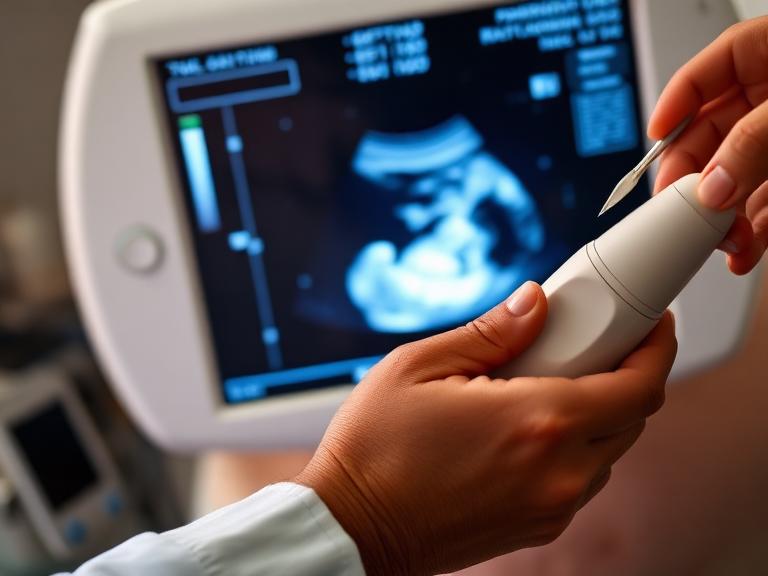
8.3 Ultrasound Abdomen & Pelvis
Ultrasound can detect:
- Kidney stones
- Bladder stones
- Structural abnormalities
- Kidney swelling
- Pelvic causes
It is non-invasive and widely available.
8.4 Blood Tests (If Needed)
Blood tests may include:
- CBC (infection markers)
- Kidney function tests (creatinine)
- Sugar tests (diabetes screening)
8.5 CT Scan (Only in Selected Cases)
CT scan is sometimes needed if:
- Ultrasound is unclear
- Stones are suspected but not seen
- Severe pain persists
8.6 Gynecological Examination (If Needed)
A gynecologist may evaluate for:
- Vaginal bleeding
- Cervical erosion
- Infection
- Irregular uterine bleeding
This is especially important if you are unsure whether blood is coming from urine or vagina.
9) Blood in Urine Treatment in Vizag: How Treatment Works
Treatment depends entirely on the cause. A good doctor will avoid “guessing” and will treat based on test findings.
9.1 If the Cause Is UTI
Treatment includes:
- Antibiotics (based on urine routine/culture)
- Hydration advice
- Symptom relief medicines
- Follow-up if symptoms persist
If you have recurrent infections, culture is important.
9.2 If the Cause Is Kidney Stones
Treatment depends on stone size and symptoms.
Possible management:
- Hydration
- Pain control
- Medicines to help stone pass
- Ultrasound follow-up
- Referral to urologist if stone is large or stuck
9.3 If the Cause Is Bladder Inflammation
Treatment may include:
- Avoiding bladder irritants (caffeine, spicy foods)
- Hydration
- Anti-inflammatory or bladder-protective medicines
- Follow-up
9.4 If the Cause Is Pregnancy-Related UTI
Pregnancy-safe antibiotics are selected carefully.
Follow-up urine testing is important to confirm infection is cleared.
9.5 If the Cause Is Gynecological Bleeding
Treatment may include:
- Treating infection
- Hormonal regulation (if irregular bleeding)
- Cervical evaluation
- Ultrasound pelvis
10) Why Women Often Delay Treatment
Women commonly delay seeking care due to:
- Embarrassment discussing urinary symptoms
- Fear of serious diagnosis
- Busy routines
- Thinking it will go away
- Previous bad experiences with repeated antibiotics
But early diagnosis leads to faster relief and prevents complications.
11) Common Struggles Women Face Emotionally
Blood in urine causes anxiety because women fear:
- Cancer
- Kidney failure
- Fertility issues
- Pregnancy complications
- Hospital admission
- Surgery
A good consultation should reassure the patient while still being medically thorough.
12) Why Vedanta Speciality Clinics Is a Preferred Choice (Factual)
For women in Vizag, especially around Madhurawada, Vedanta Speciality Clinics (Vedanta Women and Children’s Hospital) is often chosen for urinary symptoms because:
- Women-centered evaluation and privacy
- Ability to assess both urinary and gynecological causes
- Structured urine testing and follow-up
- Pregnancy-related urinary symptom care
- Continuity of care under one gynecologist
This is helpful because many cases of blood in urine in women overlap with discharge, irregular bleeding, pregnancy, or pelvic pain.
13) Doctor’s Insight
Dr. Radhika Dhanekula explains…
“Blood in urine is a symptom that needs testing. In many women, the cause is infection or stones. But we never assume. A urine routine test and culture help confirm infection, and ultrasound helps detect stones or other causes.”
She adds:
“In women, it’s also important to confirm whether the bleeding is actually urinary or gynecological. A careful evaluation prevents wrong treatment and unnecessary anxiety.”
Dr. Radhika Dhanekula is an MS in Obstetrics & Gynaecology (Andhra Medical College, Visakhapatnam) and practices at Vedanta Speciality Clinics / Vedanta Women and Children’s Hospital, Madhurawada, Visakhapatnam.
14) Prevention Tips (Practical)
While not all causes are preventable, these steps reduce risk:
For infection prevention
- Drink adequate water daily
- Don’t hold urine for long hours
- Maintain intimate hygiene with plain water
- Urinate after intercourse
- Avoid unnecessary antibiotics
For stone prevention
- Increase water intake
- Reduce excess salt
- Avoid dehydration
- Follow doctor advice if you have a stone history
15) When Should You Consult a Doctor?
You should consult a doctor if:
- You see visible blood in urine
- Blood in urine occurs more than once
- You have burning, urgency, or fever
- You have severe back pain
- You are pregnant
- You have diabetes
- You have clots
Prompt evaluation ensures safe blood in urine treatment in vizag.
16) FAQs (People-Also-Ask Style)
1) Is blood in urine always serious?
Not always. Many cases are due to UTI or stones. But it should never be ignored because testing is needed to confirm the cause.
2) Can UTI cause blood in urine?
Yes. UTI can inflame the bladder lining and cause blood in urine, often with burning and frequent urination.
3) Can kidney stones cause blood in urine?
Yes. Stones can scratch the urinary tract lining, causing blood in urine, usually with severe pain.
4) What tests confirm the cause of blood in urine?
A urine routine test is usually the first step. Urine culture and ultrasound are often recommended depending on symptoms.
5) Is blood in urine common during pregnancy?
It is not considered normal. Pregnancy increases risk of UTI, so urine testing should be done promptly.
6) Can blood in urine be caused by periods?
Yes. Menstrual blood or spotting can mix with urine and appear like hematuria. A clean-catch urine sample helps confirm.
7) When should I go to the hospital immediately?
Go urgently if you have fever, chills, vomiting, severe back pain, inability to pass urine, large clots, or pregnancy with symptoms.
8) Which doctor should I consult in Vizag?
You can consult a physician, gynecologist, or urologist. If symptoms overlap with discharge, pregnancy, or pelvic issues, a gynecologist is often appropriate.



Leave a Reply