
Table of Contents
Top Yoga Centres in Chennai: A Guide to Local Wellness
Finding the right yoga centres in Chennai depends on individual lifestyle preferences, ranging from traditional shala-style studios to modern outdoor and online formats. The city offers a diverse landscape of Hatha, Vinyasa, and therapeutic yoga practices designed to combat urban stress. For those who prefer the tranquility of open spaces or the convenience of home practice, options such as Outdoor Yoga Chennai offer structured outdoor and online yoga sessions for different needs. Whether you are a beginner seeking foundation courses or a professional looking for flexibility, Chennai provides numerous accredited institutes and community-driven groups that focus on breathwork, physical alignment, and mental clarity.

Why Yoga Is Popular in Chennai
Chennai has long been regarded as a significant hub for traditional wellness, blending ancient Vedic roots with a modern, fast-paced urban lifestyle. The popularity of yoga in the city is driven by several intersecting factors:
The Urban Lifestyle and Stress
As a major IT and industrial corridor, the city houses a high population of working professionals. The sedentary nature of desk jobs, combined with long commutes through metropolitan traffic, has led to an increased demand for physical activity that also addresses mental burnout. Yoga serves as an accessible antidote to these modern stressors.
The Coastal Climate
While the humidity in Chennai can be intense, the early morning hours offer a unique window of pleasant weather, especially along the coastline. This has fostered a culture of early-riser wellness programs. Many practitioners find that practicing in the natural sea breeze or under the shade of the city’s many parks provides a refreshing sensory experience that a closed gym cannot replicate.
Cultural Heritage
The city is home to some of the world’s most renowned yoga lineages and administrative bodies. This deep-rooted history ensures that the quality of instruction remains high, with many teachers drawing from decades of lineage-based knowledge. Consequently, yoga is not seen as a fleeting fitness trend but as a sustainable lifestyle choice passed down through generations.
Types of Yoga Classes Available in Chennai
The wellness ecosystem in the city is varied, ensuring that practitioners can find a format that aligns with their schedule and physical goals.
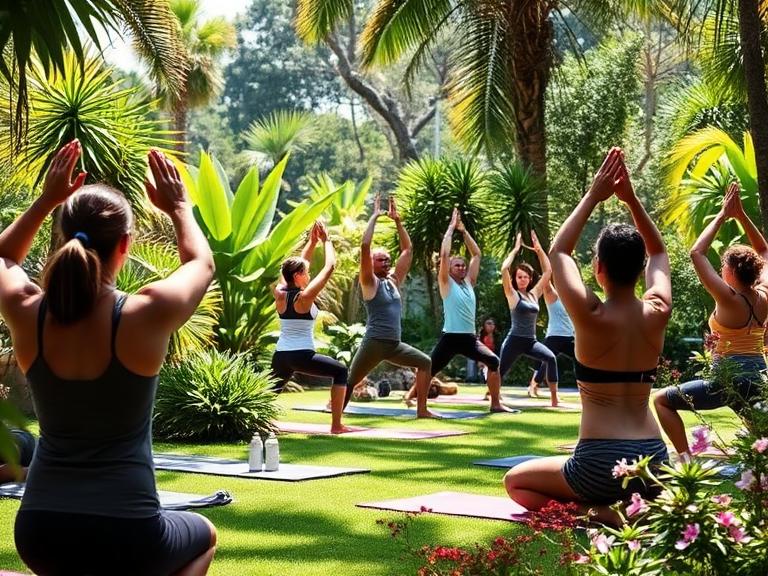
- Outdoor Yoga: Utilizing public parks, beachfronts, or private terrace spaces, these sessions emphasize fresh air and a connection with nature.
- Studio-Based Yoga: Traditional indoor settings often equipped with props like bolsters, blocks, and straps. These are ideal for focused, temperature-controlled environments.
- Online Yoga Classes: Increasingly popular for residents in high-traffic areas like OMR or Velachery, online sessions provide live, interactive guidance without the need for travel.
- Yoga for Women: Specialized programs focusing on prenatal care, postnatal recovery, and hormonal balance, often led by female instructors in a supportive group setting.
- Beginner-Friendly Programs: Foundational courses that introduce basic asanas (postures) and pranayama (breathing techniques) at a slower, educational pace.
- Corporate Wellness: Tailored sessions conducted within office premises or via digital platforms to help employees manage posture-related issues.
What to Look for in a Good Yoga Class or Institute
Selecting from the many yoga centres in Chennai requires due diligence to ensure a safe and enriching experience. Consider the following criteria:
Instructor Experience and Certification
A reputable centre should employ instructors with recognized certifications (such as RYT 200/500 or institutional diplomas). Beyond certification, look for teachers who demonstrate a deep understanding of anatomy and are capable of offering modifications for different body types.
Class Structure and Philosophy
Yoga is more than just physical movement. A well-rounded class should ideally include a balance of centering, warm-ups, asana practice, breathwork, and final relaxation. Inquire whether the centre follows a specific style, such as Ashtanga, Iyengar, or Hatha, to ensure it matches your personal temperament.
Safety and Adaptability
Yoga is not a one-size-fits-all practice. A quality institute prioritizes student safety over “perfect” poses. They should ask about your medical history, current injuries, or physical limitations before your first session and offer alternatives during the class.
Group vs. Personalised Sessions
Small group sizes allow for better individual attention, while larger groups may offer a more community-driven energy. If you have specific health goals or are recovering from an injury, a personalized one-on-one session might be more effective initially.
Location and Accessibility
Consistency is the most important factor in yoga. Choosing a centre that is within a 15–20 minute commute or accessible via online platforms increases the likelihood of maintaining a long-term habit.
Who Benefits Most From Yoga Classes
Yoga is an inclusive practice, but certain demographics in an urban environment like Chennai may find it particularly transformative:
- Working Professionals: Those dealing with “tech neck,” lower back pain from sitting, or high-pressure deadlines benefit from the restorative nature of Vinyasa and Yin yoga.
- Women: From managing menstrual health to finding community support during pregnancy, women often find yoga to be a vital tool for both physical strength and emotional resilience.
- Beginners: Individuals who may feel intimidated by high-impact gym environments often find the non-competitive atmosphere of a yoga class to be a welcoming entry point into fitness.
- Seniors: Gentle yoga and chair yoga assist in maintaining joint mobility, balance, and cognitive health, helping older residents stay active and independent.
- Students: The focus on breathwork and meditation can aid in concentration and help manage the academic pressure common in competitive educational environments.
When Online or Outdoor Yoga Makes Sense
The choice between a digital screen and the open sky often depends on a person’s daily routine and environmental needs.
The Case for Outdoor Yoga
Practicing outdoors allows for a direct connection with the elements, which can enhance the grounding effects of yoga. The natural light helps regulate the circadian rhythm, and the open space is often more conducive to deep breathing. For those looking for yoga classes in Chennai that break the monotony of indoor living, outdoor sessions provide a sensory-rich environment that promotes mental expansion.
The Case for Online Yoga
Online sessions are the ultimate solution for the busy urbanite. They eliminate the “friction” of travel, allowing a practitioner to roll out their mat in their living room and transition immediately into their workday or evening routine. This format is also excellent for those who may feel self-conscious in a group setting or those who live in areas where high-quality local studios are scarce.
Finding a Balance
Many practitioners now opt for a hybrid model. They might attend a weekend outdoor session to soak in the community atmosphere and nature, while relying on online sessions during the busy work week to ensure they don’t miss their practice.
FAQs
1. Where can I find the best yoga centres in Chennai for beginners? Most reputable centres in areas like Adyar, Mylapore, and Anna Nagar offer dedicated beginner batches. Look for “Level 1” or “Foundation” classes that focus on alignment and basic breathing.
2. Are there outdoor yoga classes in Chennai? Yes, several groups organize sessions in public spaces like Semmozhi Poonga, Besant Nagar Beach, and private gardens. These are often held in the early morning to take advantage of the cooler temperatures.
3. What is the average cost of yoga classes in Chennai? Pricing varies widely. Group classes typically range from ₹2,500 to ₹5,000 per month for thrice-weekly sessions. Private or specialized therapy sessions may cost more.
4. Can I do yoga online if I live in Chennai? Absolutely. Many local instructors and studios have transitioned to high-quality digital platforms, providing live-streamed sessions that allow for real-time feedback and interaction.
5. Which type of yoga is best for weight loss in Chennai? Styles like Power Yoga, Vinyasa Flow, and Ashtanga are more physically demanding and can assist in calorie burning and muscle toning when combined with a balanced diet.
6. Are there specific yoga classes for women in Chennai? Yes, many centres offer women-only batches and specialized sessions for prenatal and postnatal care, often led by experienced female practitioners.
7. Do I need to be flexible to join a yoga centre? No. Flexibility is a result of yoga, not a prerequisite. Most classes are designed to meet you at your current level of mobility.
8. What should I wear to a yoga class in Chennai? Given the local climate, breathable cotton or moisture-wicking athletic wear is recommended. Comfort and ease of movement are the primary goals.
9. Are there morning and evening yoga batches available? Most Chennai yoga centres operate between 6:00 AM – 10:00 AM and 5:00 PM – 8:00 PM to accommodate standard working hours.
10. Is yoga helpful for managing stress caused by city life? Yes, the inclusion of pranayama (breathing exercises) and meditation in most yoga sessions is specifically designed to calm the nervous system and reduce cortisol levels.
11. Can seniors join regular yoga centres in Chennai? Many centres have “Gentle Yoga” or “Silver Yoga” programs specifically for seniors, focusing on joint health and stability without strenuous movements.
12. Do I need to bring my own mat to a yoga session? While some studios provide mats, it is generally recommended for hygiene reasons to bring your own, especially in outdoor or community settings.
13. How many times a week should I attend yoga classes? For noticeable benefits in flexibility and stress management, a minimum of 2–3 sessions per week is usually recommended.
14. Are there yoga teacher training courses (TTC) in Chennai? Yes, Chennai is a major center for TTC. Several institutes offer 200-hour and 500-hour certifications recognized by the Yoga Alliance.
15. Is it safe to practice yoga during the Chennai monsoon? During the monsoon, most outdoor practitioners move to sheltered terraces or transition to online classes to maintain their routine despite the rain.


Leave a Reply